
 By Ghulam Mustafa Khan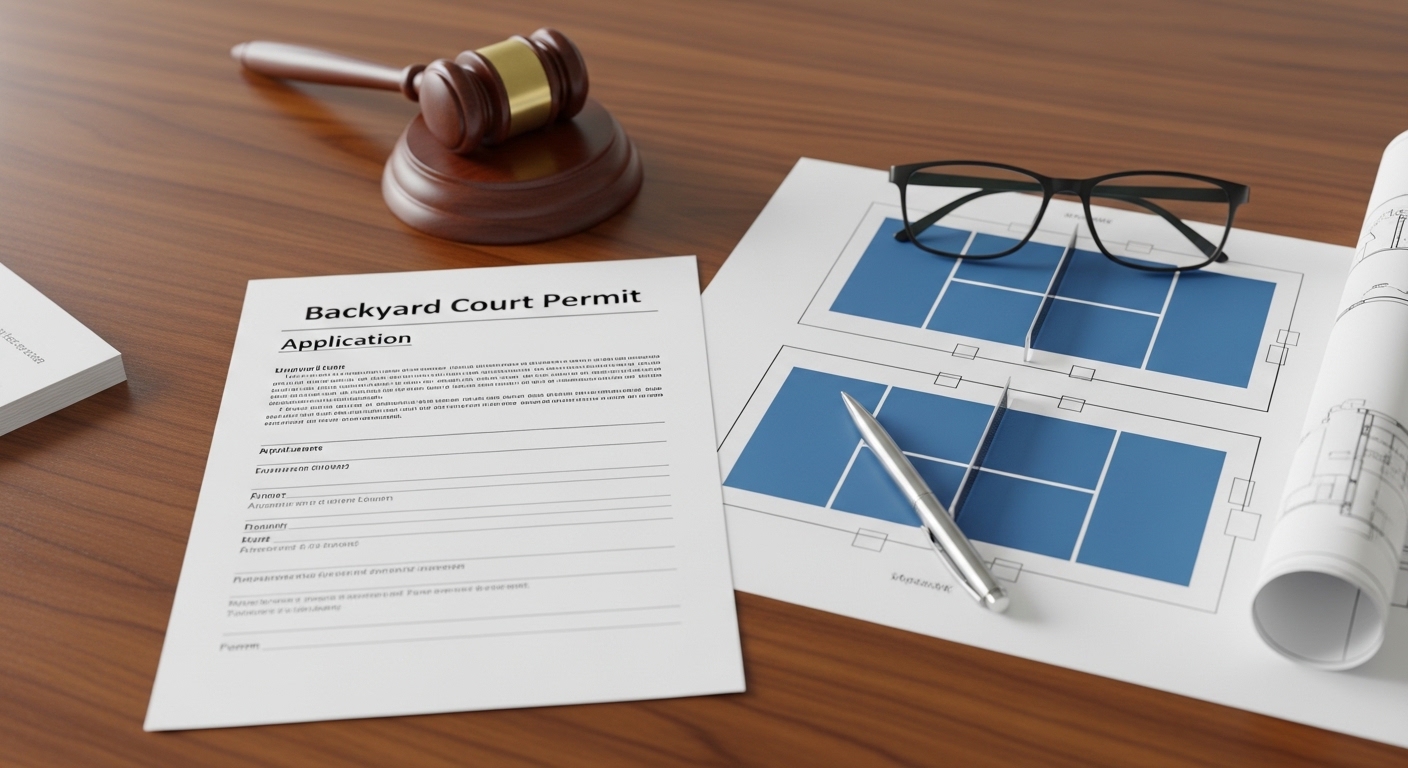
You’ve researched the best paint for pickleball court lines and picked out your net. You’re ready to pour the concrete. But before the first truck arrives, there is one question that could save you thousands of dollars: Do you have a backyard court permit?
In 2026, as residential sports courts become more popular, local governments and Homeowners Associations (HOAs) are cracking down. What you don’t know about setback lines, noise ordinances, and drainage ratios can result in heavy fines or—worse—a court order to demolish your project.
From the Coach’s Perspective
“I’ve seen plenty of great home courts sit empty because a neighbor filed a noise injunction after the first week of play. If you find that local zoning prevents you from installing permanent posts, my tip is to go portable—just make sure you know the correct way to fix a sagging pickleball net so your temporary setup still provides a tournament-quality training environment.”
1. The “Invisible” Law: Understanding Backyard Court Permits
Many homeowners assume that if they own the land, they can build what they want. This is a costly mistake. A sports court is often classified as an “accessory structure” or “impermeable surface,” both of which are strictly regulated.
Zoning Laws and Setback Requirements
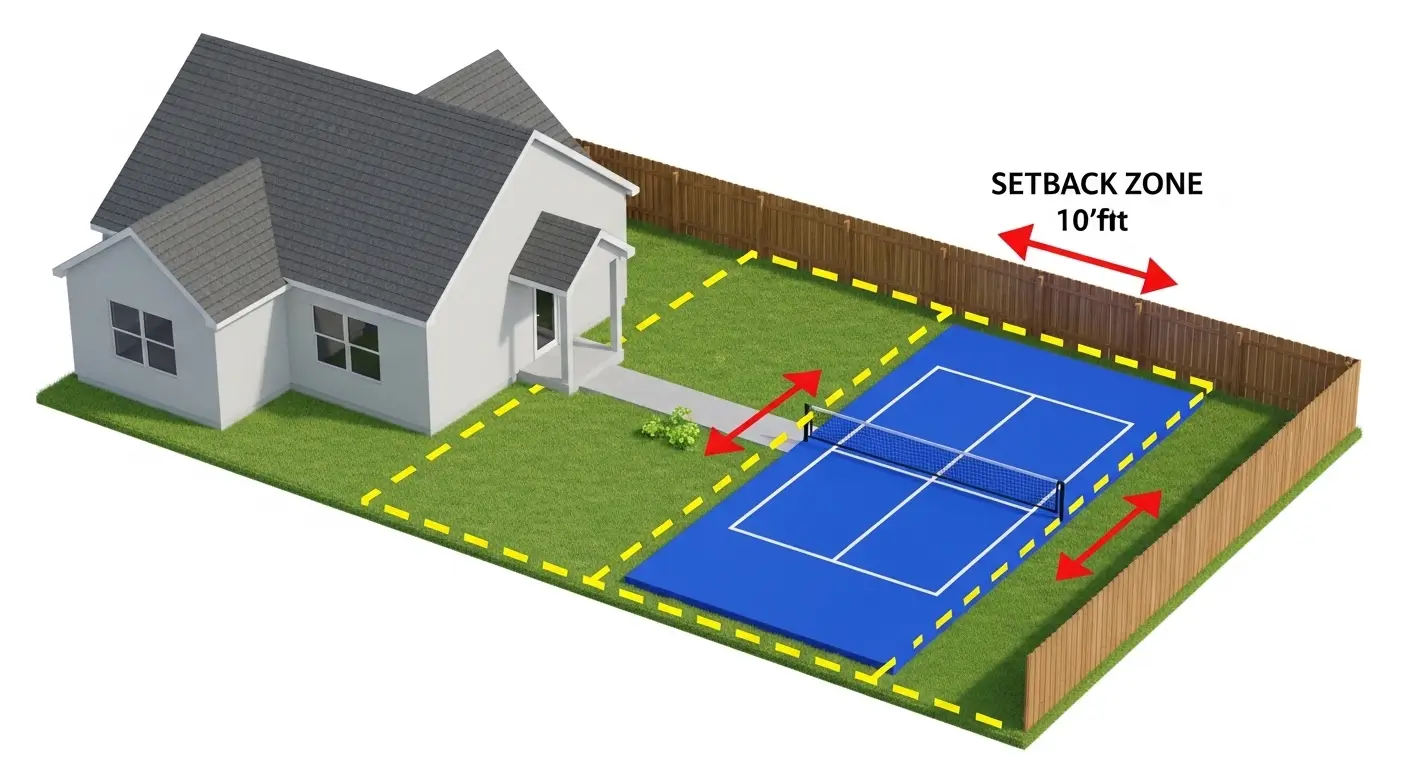
Zoning laws dictate exactly where you can build. Most municipalities enforce “setbacks”—mandatory distances from your property line where no permanent structures are allowed. According to ASBA (American Sports Builders Association), setbacks often range from 5 to 20 feet depending on your local zone. If you pour your slab within this zone, a neighbor’s complaint could force you to remove it.
From the Coach’s Perspective
“I’ve seen plenty of great home courts sit empty because a neighbor filed a noise injunction after the first week of play. My advice is to win the ‘social permit’ first—share your plans with the people next door and show them you are following a professional residential sport court cost and build roadmap. It proves you’re committed to a high-quality, quiet installation that protects the neighborhood’s peace and property values.”
The Drainage Problem: Impermeable Surface Ratios
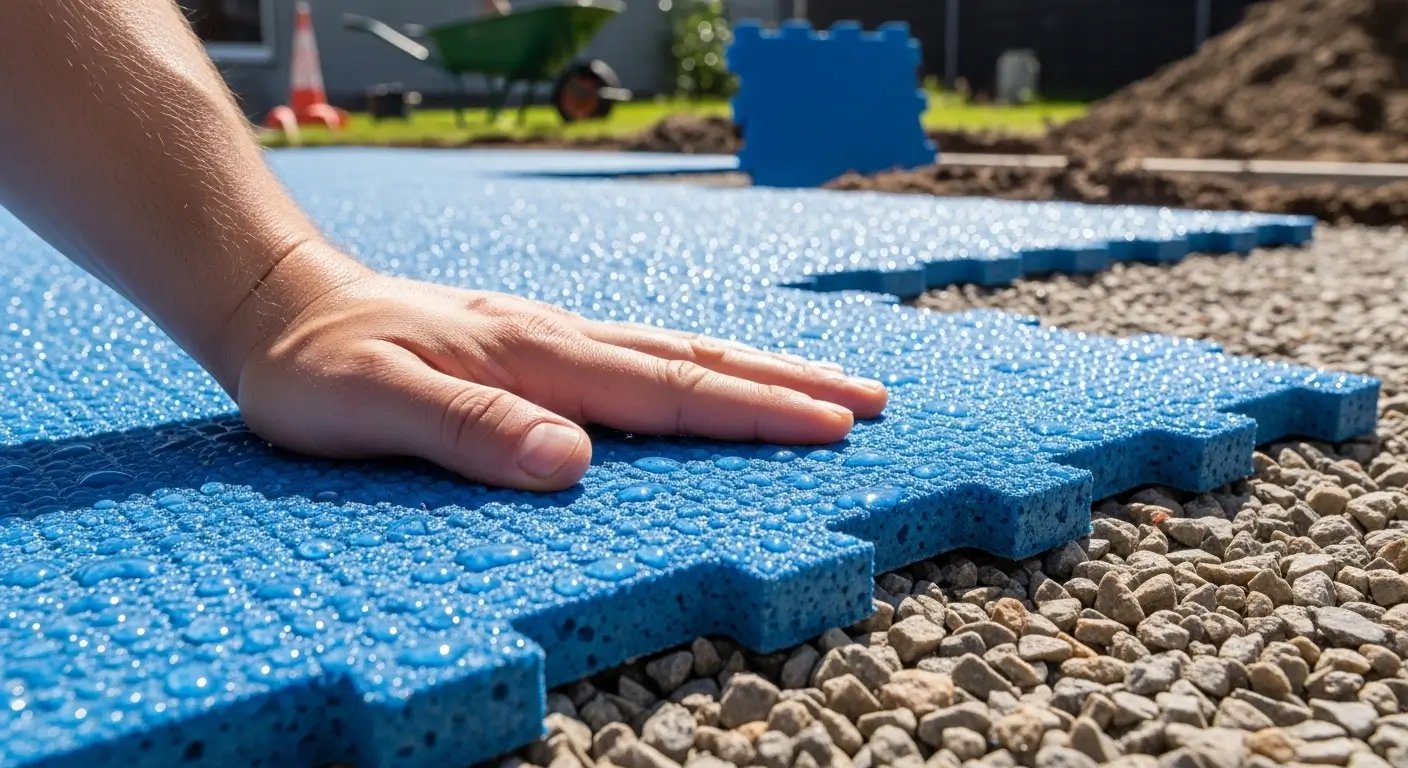
Concrete doesn’t absorb water. Cities limit the percentage of your lot that can be “impermeable” to prevent flooding. If your court causes rainwater to runoff into a neighbor’s yard, you may be in violation of local environmental codes. Some homeowners use permeable court tiles as a workaround to satisfy drainage requirements.
2. The HOA Battleground: Pickleball Noise and Fines
Even if the city gives you a green light, your HOA is a different beast. HOAs have the power to levy daily fines that can quickly exceed the cost to paint pickleball court lines.
The “Pop” Factor: Noise Ordinances
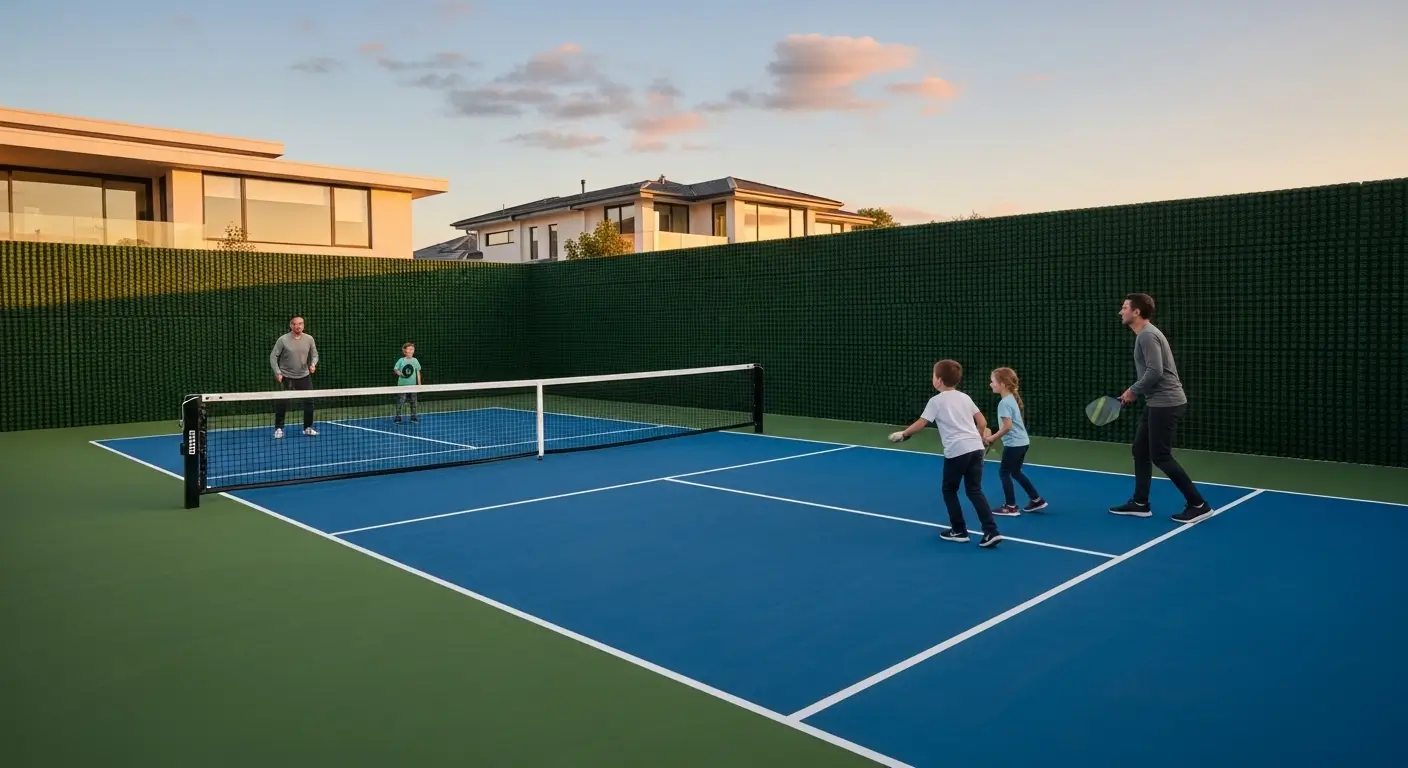
The sharp “pop” of a pickleball paddle registers at a higher frequency than tennis. In 2026, many HOAs have implemented strict decibel limits. Research from Pickleball Sound Mitigation suggests that courts within 100 feet of a residence are the most likely to face complaints.
Insightful Tip: To “HOA-proof” your court, show your board that you are using “Quiet Category” paddles or Acoustic Fencing to dampen the sound.
Light Pollution
If you plan to play at night, your lights cannot bleed into a neighbor’s bedroom. Look for fixtures that are DarkSky Approved, which ensures light is directed downward onto your court, not outward into the neighborhood.
3. How to Avoid HOA Fines: A Pre-Build Checklist
Before you break ground, follow these four steps to ensure your court stays legal:
Request a Property Survey: Never guess your property lines. A professional survey is the only way to satisfy zoning inspectors.
Review the CC&Rs: Read your “Covenants, Conditions, and Restrictions.” Look for sections on “Nuisance” and “Architectural Improvements.”
Submit Detailed Plans: Most HOAs require a formal application through an Architectural Review Committee (ARC).
Get It in Writing: Never start construction based on a verbal “okay.” Wait for the signed approval letter.
FAQ: Backyard Court Zoning & Legalities
Do I need a permit for a temporary court?
Usually, no. If you are using a portable net and temporary markings on an existing driveway, it typically doesn’t qualify as a “structure.”
How much does a backyard court permit cost?
In 2026, standard permits range from $150 to $500, but specialized drainage or environmental reviews can add to that cost.
Can a neighbor sue me for noise?
Yes. Even without an HOA, neighbors can sue under “Private Nuisance” laws if the noise level exceeds local ordinances. Refer to USA Pickleball’s Noise Resource Guide for mitigation strategies.