
 By Ghulam Mustafa Khan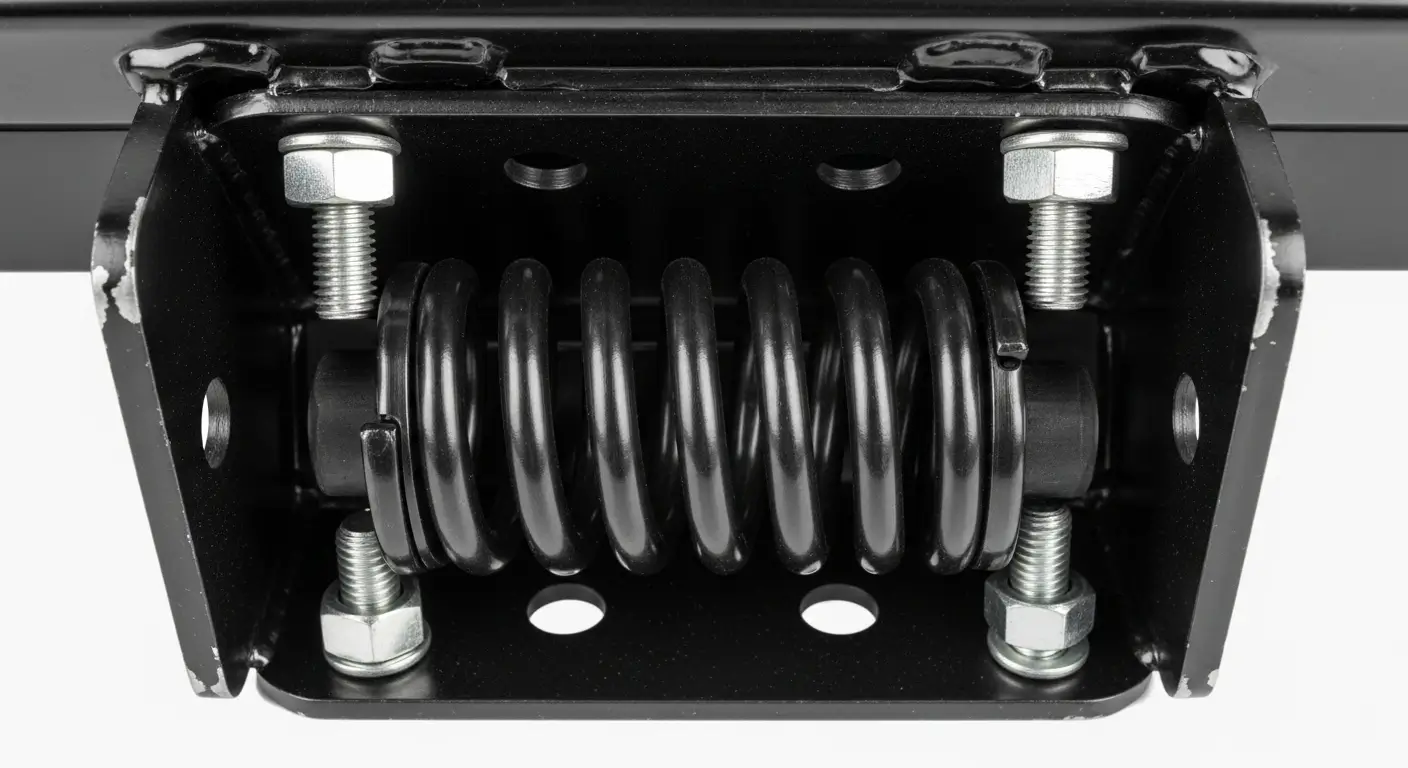
A squeaky basketball rim is a technical failure of the breakaway mechanism. Metal surfaces rub together to create high-pitched resonance. This noise carries through suburban neighborhoods. It often leads to neighbor complaints and sleep disruption.
The secret to a silent hoop is vibration dampening. By addressing the physics of the mounting system, you can reduce rim noise by up to 70 percent. You can do this for less than $10.
Solution Table: Hardware and Longevity
| Option | Technical Purpose | Cost | Duration |
| White Lithium Grease | High-pressure lubrication | $7.98 | 6 Months |
| Silicone Spray | Water-repellent barrier | $6.77 | 2 Months |
| Rubber Gaskets | Kinetic energy absorption | $0.00 | 1+ Year |
Note: Prices are subject to change based on location and retailer.
Fix 1: Lubricate the Breakaway Spring
Most modern rims use a breakaway mechanism. This protects the backboard from shattering during dunks. This system relies on a heavy-duty coil spring. Over time, factory grease thins out. This leads to stick-slip friction. This is a physical phenomenon where two surfaces stutter against each other. It creates a piercing “shriek” sound.
- Remove the Cover Plate: Use a screwdriver to remove the shield under the rim.
- Clean the Grit: Use a wire brush or rag to remove rust. Dirt acts as an abrasive. It eats into the metal coating.
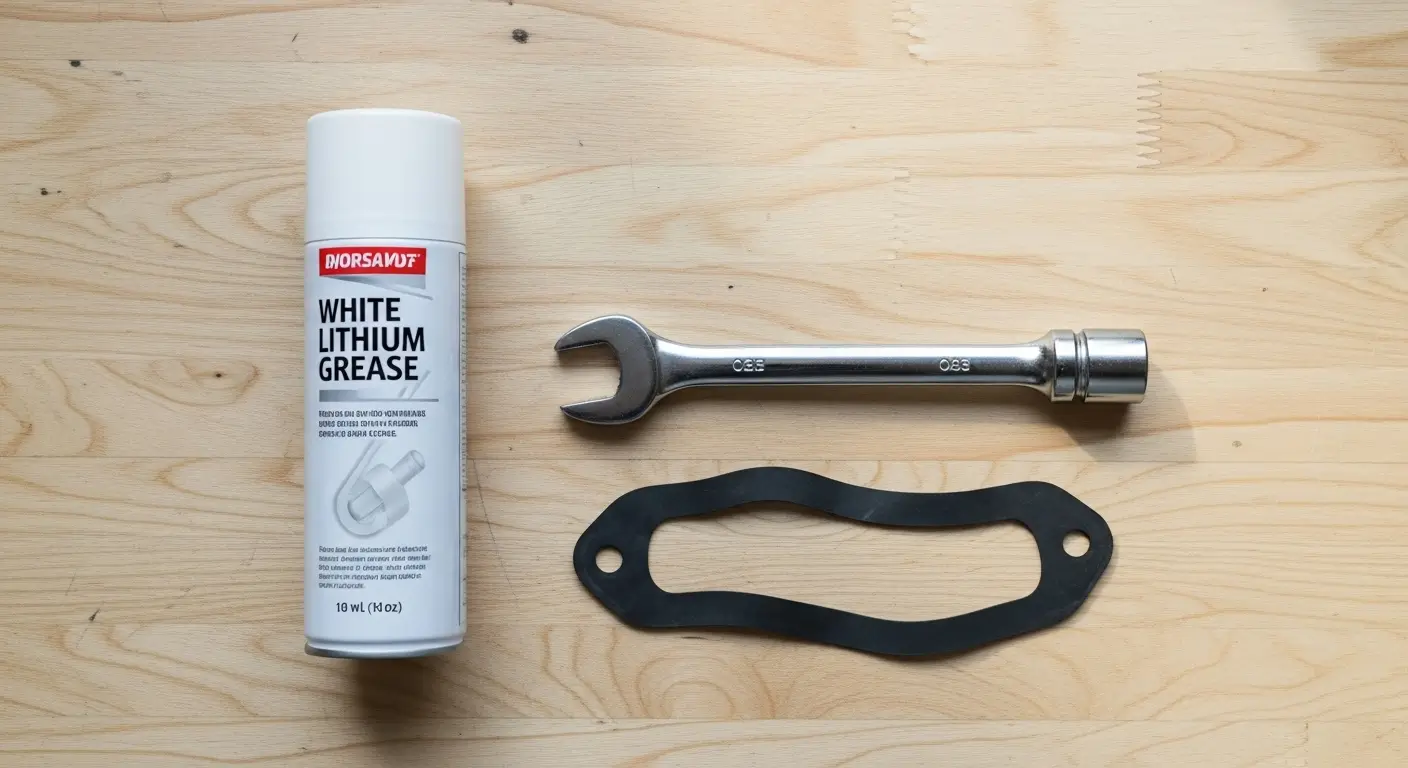
- Apply White Lithium Grease: Do not use standard WD-40. Standard WD-40 is a cleaning solvent. It is not a long-term lubricant. White Lithium Grease is thick. It stays on the spring during heavy rain and snow.
- Target the Pivot: Spray the steel pin where the rim rotates. This is the primary friction point.
Coach’s Corner: From the Court
“In my years on the court, I’ve learned that a squeaky rim is usually a ‘dead’ rim—meaning the vibrations from a loose mounting plate absorb the ball’s energy rather than giving a true bounce.
My Tip: When you tighten your hardware to kill the noise, don’t over-torque the bolts; you want the rim to be secure but still have enough ‘give’ to protect the backboard from cracking during high-impact play. Maintaining a professional response from your hoop is just as important as choosing the right sports court flooring to ensure a consistent, high-performance practice environment.”
Fix 2: The Rubber Gasket Isolation Method
When a ball hits the rim, kinetic energy vibrates through the metal mounting plate. If the plate sits directly against a metal bracket, the backboard acts like a speaker. This is called structure-borne noise.
You can stop this by using mechanical isolation.
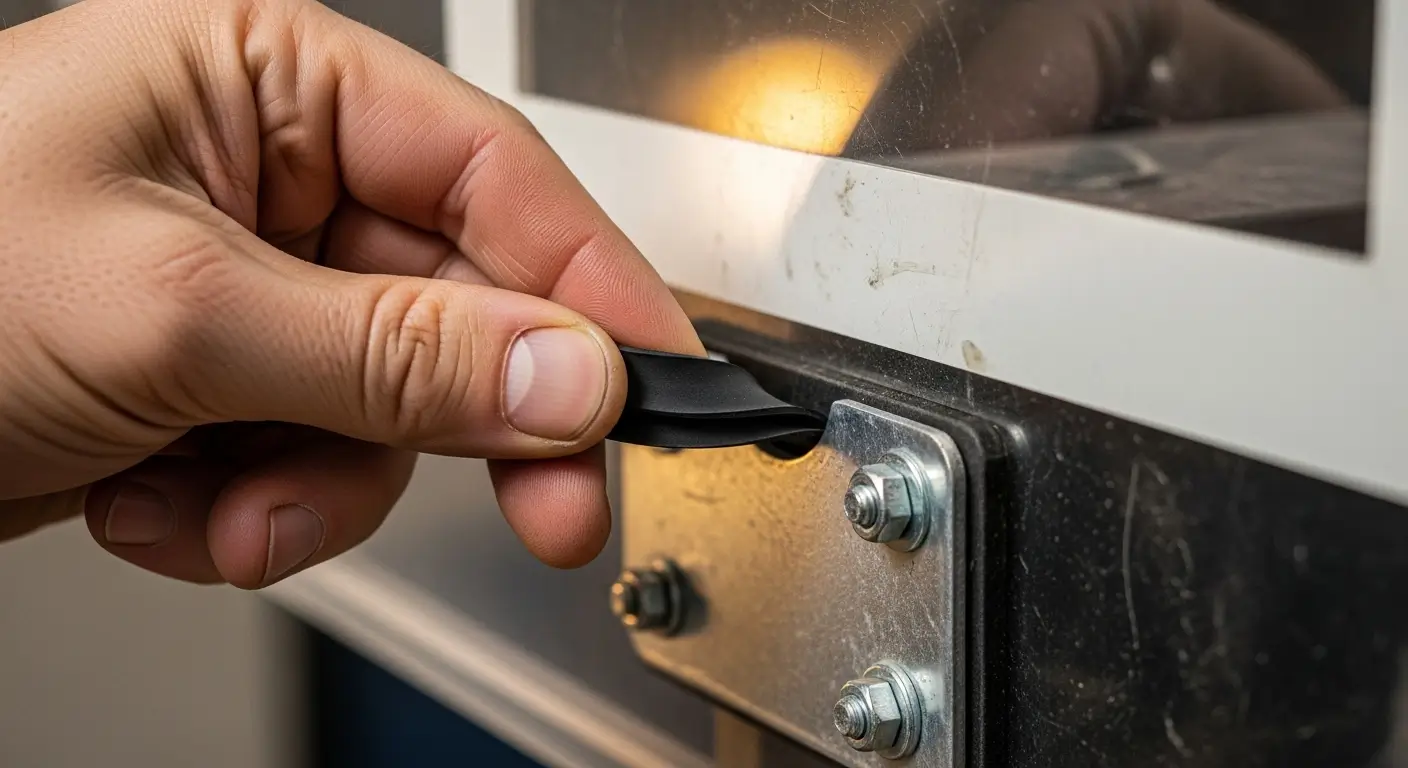
- Find the Material: Use a scrap bicycle inner tube or 1/16-inch rubber sheeting.
- Create the Barrier: Cut a square to match the mounting plate of your rim.
- Absorb the Shock: Place the rubber between the rim and the backboard. This creates a soft buffer. It stops the energy before it can turn into sound.
If you are also building a court for other sports, surface vibration is a common issue. Check our guide on sports court flooring to learn how different surfaces handle impact.
Fix 3: Set Proper Bolt Torque
Loose hardware is the most common cause of a rattling squeak. A loose bolt allows the rim to act like a tuning fork.
- Check the Torque: Use a socket wrench to tighten the mounting bolts. Refer to your manufacturer’s manual for specific settings. Official Goalrilla maintenance guides emphasize checking hardware every six months.
- Use Lock Nuts: If your bolts keep loosening, replace the nuts with Nyloc nuts. These have a nylon insert that grips the bolt threads. This prevents vibration from loosening the joint.
- Check the Frame: Ensure the backboard itself is not loose. A loose acrylic pane will amplify the squeak.
Frequently Asked Questions (FAQ)
Can I use cooking oil to stop the squeak?
No. Cooking oil is organic. It will go rancid and attract insects. It also lacks the film strength to handle the high pressure of a steel spring. Stick to White Lithium Grease.
How often should I lubricate my basketball rim?
In coastal or rainy areas, you should lubricate the rim every six months. In dry climates, once a year is usually enough. If you hear any metal-on-metal noise, it is time for maintenance.
Will WD-40 damage my basketball backboard?
Standard WD-40 can sometimes stain or weaken certain types of low-grade plastics. However, White Lithium Grease is generally safe for polycarbonate and glass backboards. Always wipe off excess grease to avoid streaks.
Why does my rim squeak more in the winter?
Metal contracts in the cold. This changes the tolerances in the breakaway mechanism. Cold weather also makes old grease thick and brittle. This increases friction and noise.
Final Thoughts for Home Court Owners
Fixing a squeaky rim extends the life of your hardware. Constant vibration causes metal fatigue. This can lead to the rim snapping under pressure.
If you are planning a home sports project, noise management is vital. A quiet basketball hoop keeps neighbors happy. Before you drill any holes for your hoop, read our Pickleball Driveway Dimensions Guide. It helps you maximize your driveway space for multiple sports.