
 By Ghulam Mustafa Khan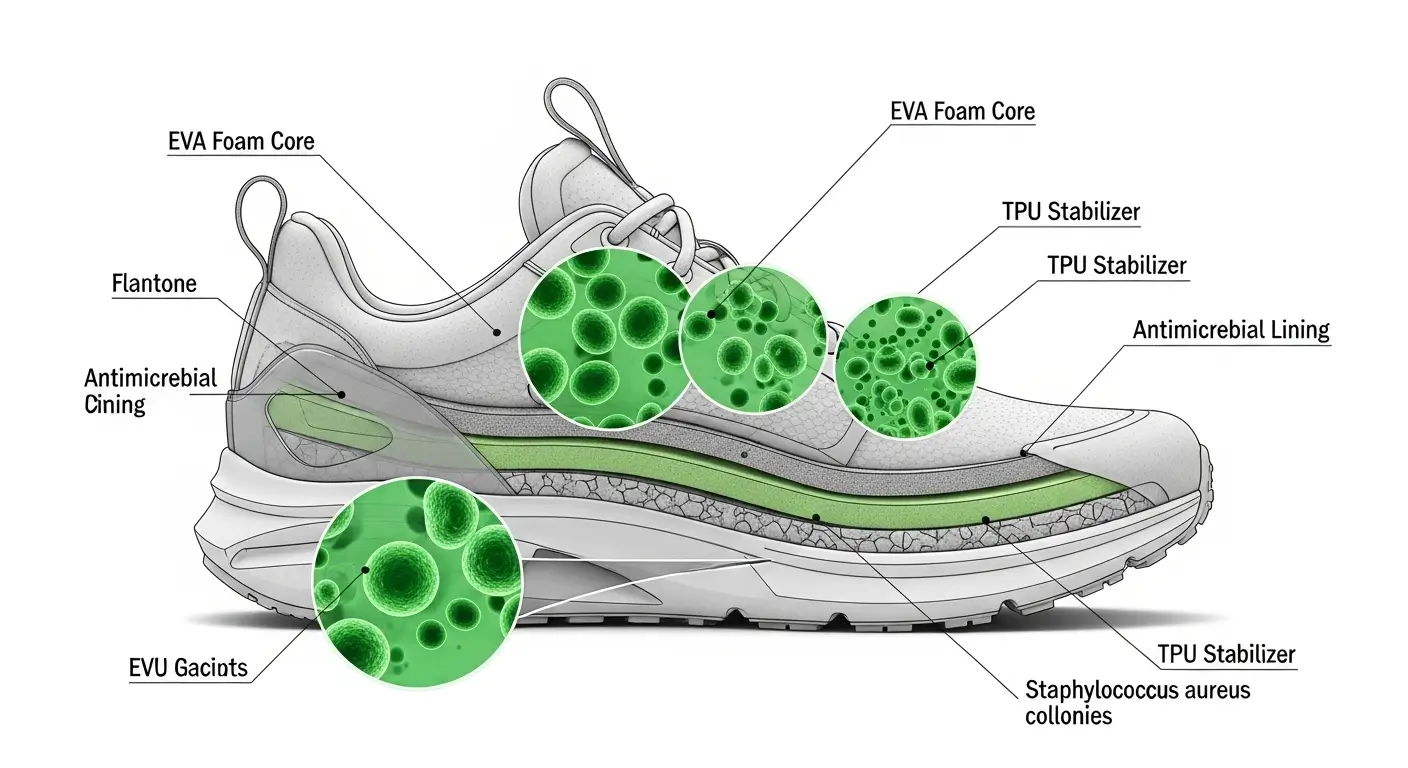
The Position Zero Solution
How to remove smell from shoes effectively? To eliminate odor and bacteria permanently, follow the Chemical Reset protocol: First, spray the interior with 70% Isopropyl Alcohol to denature bacterial proteins on contact. Next, neutralize residual pH by sprinkling baking soda inside or using activated charcoal inserts to adsorb moisture. Finally, ensure a total reset by washing removable insoles in an oxygen-bleach solution. This engineering-led approach targets the molecular root of the scent, Brevibacterium, rather than just masking it, ensuring your high-performance sports footwear remains hygienic and structurally sound for long-term use.
Beyond the Stink: The Material Science of Shoe Decay
In my years of consulting on sports facility infrastructure, I have seen athletes spend thousands on the court surface but ignore the biological ticking time bomb in their gear. Most advice on how to make shoes not smell is fundamentally flawed because it treats the symptom, the scent, not the source, the bacteria.
Sweat itself is largely odorless. The stench is actually the byproduct of bacteria like Brevibacterium feeding on dead skin cells trapped in your shoe’s synthetic mesh and foam layers. When these bacteria multiply, they release acidic waste that does not just smell. It slowly degrades the structural glues and mid-sole integrity of your high-performance gear.
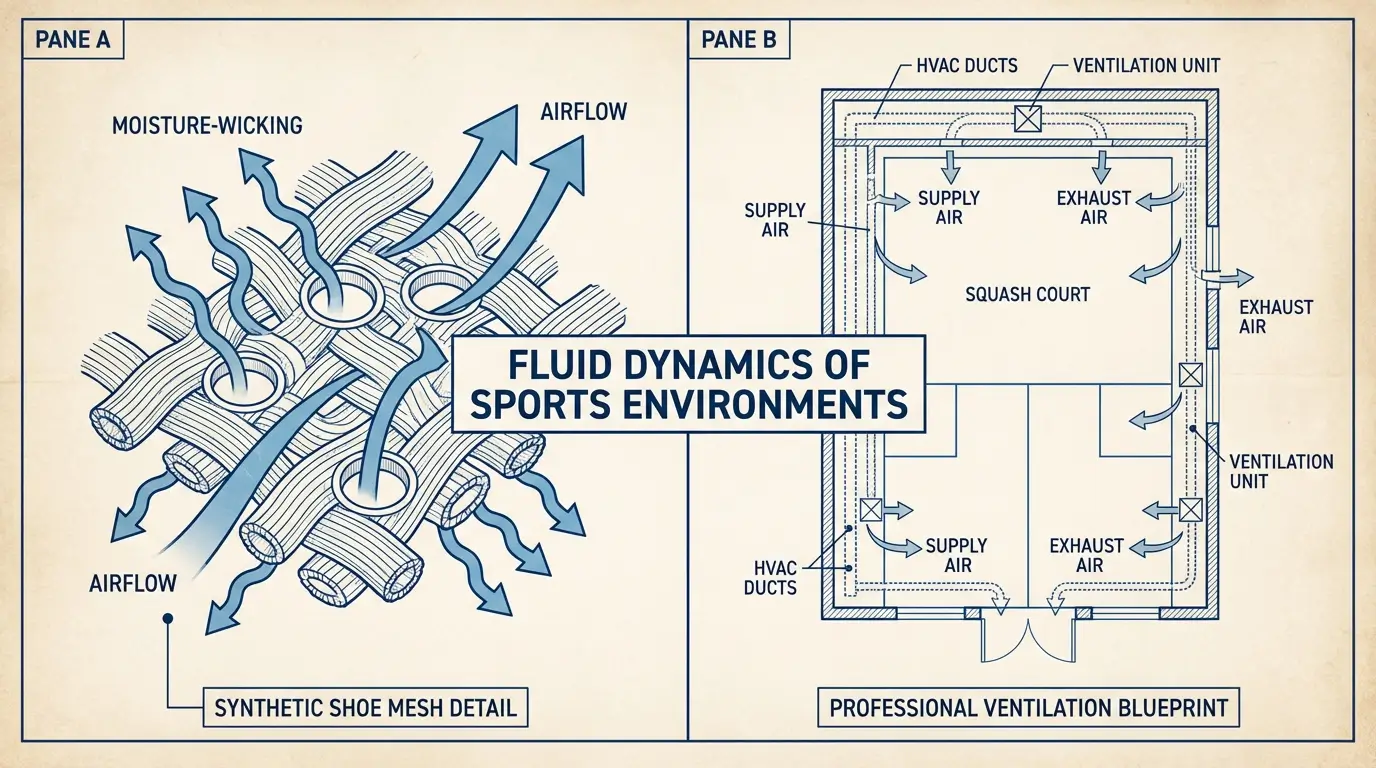
Expert Engineering Note: Just as a poorly ventilated court leads to structural decay, improper gear hygiene leads to equipment failure. To see how professionals manage air quality to protect both athletes and assets, Read Technical Guide to Olympic Ventilation Standards.
The Chemical Reset: A Professional Protocol to Kill Bacteria on Contact
If your shoes have reached a point where they clear the room, you do not need a perfume. You need a molecular intervention. This is how to get the smell out of shoes by disrupting the biological lifecycle of the odor at its foundation.
Step 1: The Antiseptic Flush
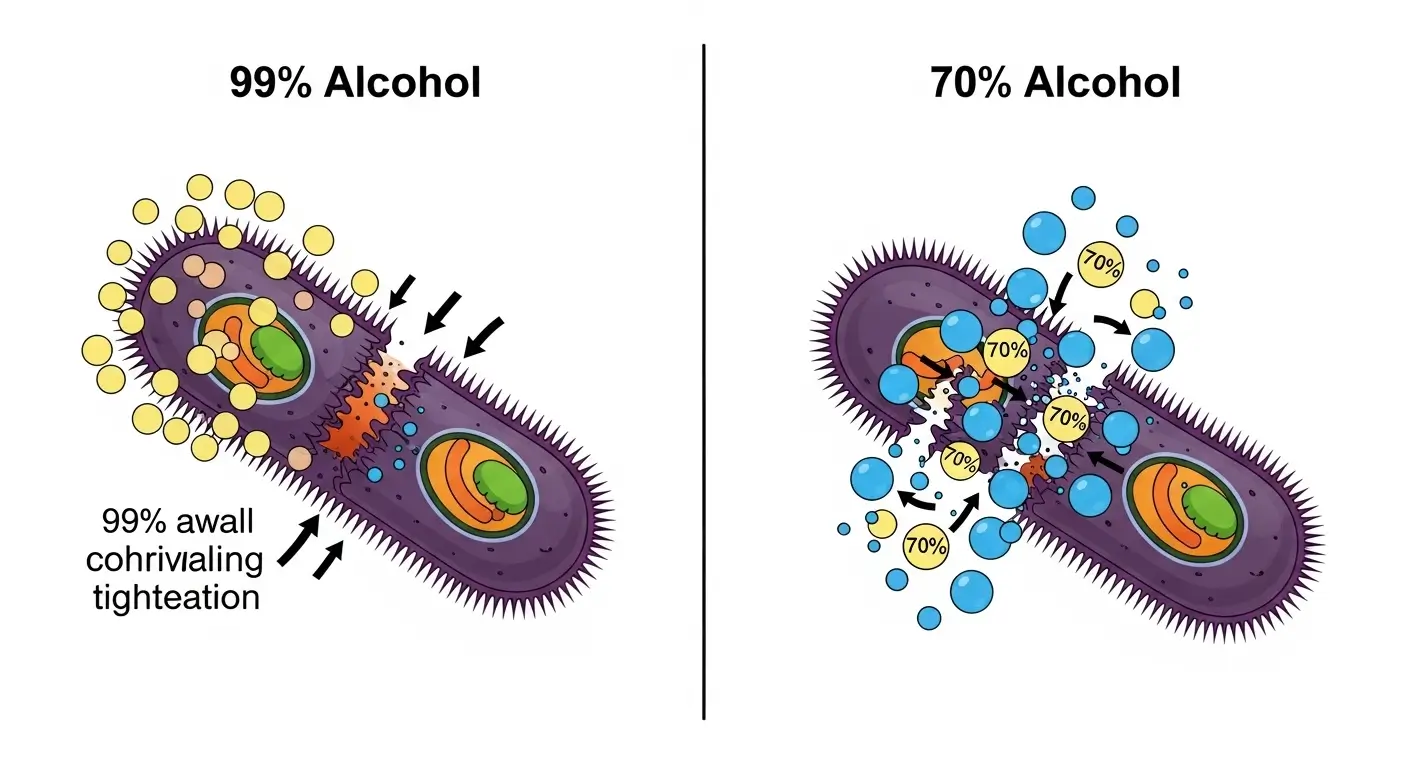
While 99% alcohol sounds superior, 70% Isopropyl Alcohol is the scientific standard for disinfection. The 30% water content allows the solution to cross the cell membrane of bacteria more effectively before the alcohol evaporates, ensuring a complete kill.
- The Action: Liberally spray the interior, focusing on the dark toe box where colonies hide.
- The Result: It denatures bacterial proteins instantly, providing a clean slate for your footwear.
- The Strategic Advantage: This is the most effective way to deodorize shoes that have been neglected for months.
Step 2: Ground Zero: The Insole Extraction Strategy
The insole is the primary bio-hub of any sports shoe. It absorbs the most pressure, heat, and moisture, making it a breeding ground for microbes.
- The Reset: Extract the insoles and soak them in warm water with oxygen-based bleach. Avoid chlorine to prevent material yellowing.
- The ROI: This targets how you remove foot odor from shoes at the source of physical contact, significantly extending the life of expensive court footwear.
Step 3: The Neutralizer: Balancing the pH of Your Gear
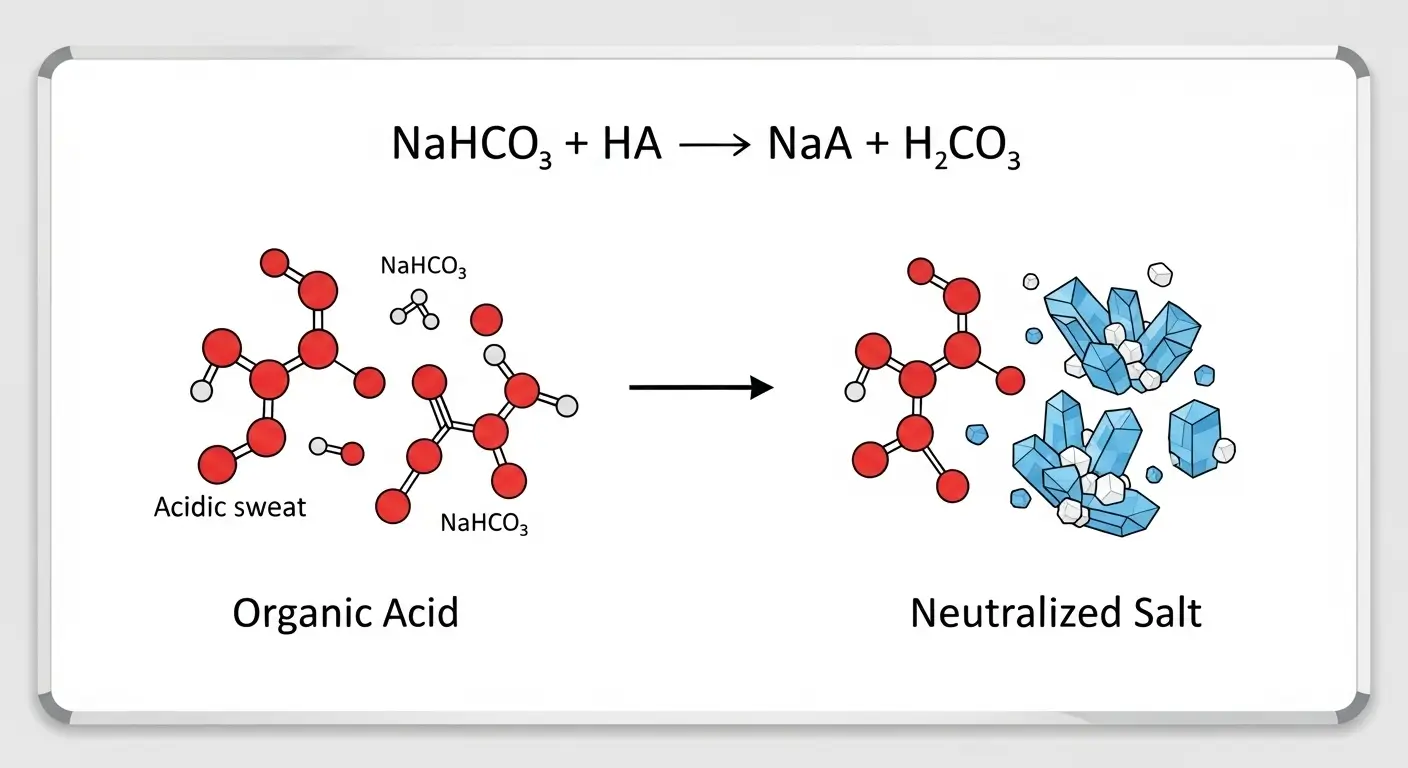
Bacteria thrive in the acidic environment created by trapped sweat. By applying baking soda, Sodium Bicarbonate, you are performing a technical pH-balancing act.
- The Logic: Baking soda is amphoteric, meaning it reacts with both acidic and alkaline odor molecules to turn them into odorless salts.
- The Solution: Leave the powder in overnight to get scent out of shoes completely before shaking it out the next morning.
Engineered for Longevity: Material Compatibility Guide
As an engineer, I view high-performance footwear as a structural investment. Whether you are in carbon-fiber-plated runners or reinforced squash sneakers, you must protect the bonding agents during the cleaning process.
- Synthetic Mesh: Highly resilient and safe for alcohol sprays and gentle soap.
- Leather & Suede: Avoid saturation. Use specialized cleaners to prevent the material from cracking or losing its natural oils.
- Carbon Fiber Plates: Avoid extreme heat or harsh solvents during the drying phase to prevent delamination of the plate from the midsole.
For more on preserving your high-value assets, see my analysis of the ROI of Professional Court Construction, where we discuss the long-term value of infrastructure maintenance for home and commercial facilities.
High-Performance Physical Protocols: Decontaminate, Decompress, and Dry
The Chemical Reset is only the beginning. To truly master athletic footwear longevity, you must treat your shoes like a high-performance facility. In court engineering, we fight a constant battle against moisture and structural fatigue; your gear deserves that same professional-grade rigour to stay functional and fresh.
The Freeze Protocol: Biological Facts vs. Myths
One of the most debated methods involves placing footwear in a freezer. To get the smell out of shoes using temperature, you must understand the underlying biology.
Does Freezing Kill Bacteria?
Freezing does not typically kill bacteria. Instead, it puts them into a state of dormancy. However, this remains a vital step in the Triple-D System.
- Decontaminate: Placing your shoes in a sealed bag in the freezer for 24 hours halts the production of foul-smelling metabolic byproducts.
- The Moisture Catch: The real benefit occurs when you remove the shoes. As they thaw, the bacteria are weakened, making this the perfect time to apply the antiseptic
- Technical Warning: Ensure your shoes are completely bone-dry before freezing to prevent ice crystals from expanding and tearing the synthetic mesh or internal foams.
The Rotation Rule: Structural Integrity and Hygiene
If you want to know how to remove smell from running shoes or court sneakers permanently, the answer lies in your schedule.
Why You Must Rotate Which Shoes You Wear
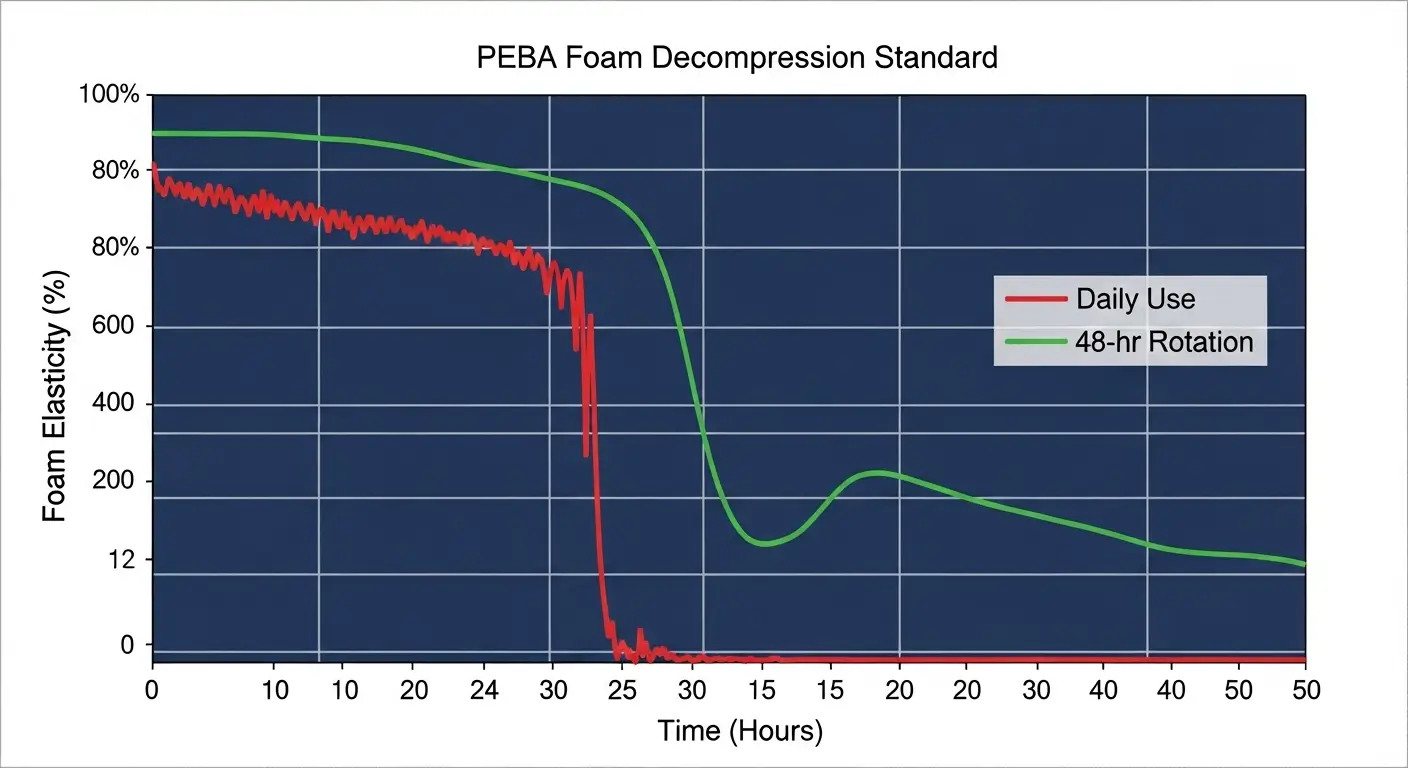
High-performance foams, such as PEBA or EVA, act like a structural sponge. During a match or a run, these foams compress and absorb significant liquid volume.
- Foam Decompression: It takes 24 to 48 hours for modern midsole foam to fully decompress and shed deep-seated moisture.
- The Bacterial Cycle: If you wear the same pair two days in a row, the foam remains damp and compressed, creating a permanent, pressurized breeding ground for microbes.
- The ROI of Rotation: Rotating between two pairs of shoes actually extends the combined lifespan of both by more than 50% because the materials are never pushed to the point of permanent cellular collapse.
Advanced Moisture Extraction: Keeping it Dry
The final step in our system is to keep them dry. In facility engineering, humidity is the enemy of wood and glass. In footwear, it is the enemy of glue and hygiene.
Professional Drying Techniques
- Cedar Wood Inserts: Unlike plastic trees, cedar is porous and naturally antimicrobial. It wicks moisture out of the footbed while releasing natural phytoncides that neutralize odors.
- Silica Gel Packets: For a high-tech approach, use large silica desiccant bags. These are engineered to lower the relative humidity inside the shoe to near zero, effectively mummifying any remaining bacteria.
- The Sunlight Hack: If available, 30 minutes of direct natural sunlight provides a free dose of UV-C radiation, which disrupts the DNA of mold spores.
Expert Engineering Note: Managing humidity is a core engineering challenge. We apply these same principles of airflow and desiccation when designing Squash vs Racquetball Court Specs to maintain high-performance playing surfaces and prevent sub-floor rot.
Summary of the Triple-D System
| Step | Action | Benefit |
| Decontaminate | Freeze for 24 Hours | Halts bacterial growth and weakens colonies. |
| Decompress | 48-Hour Rotation | Allows foam to recover and moisture to evaporate. |
| Dry | Use Cedar or Silica | Pulls moisture from the deepest layers of the shoe. |
Professional Prevention and the High-Performance ROI of Footwear Hygiene
The final phase of our master series transitions from reactive cleaning to proactive preservation. In professional facility management, we prioritize preventative maintenance to avoid catastrophic structural failure. Your high-performance sports shoes require the exact same strategic foresight to remain a hygienic and functional asset.
Creating an Antimicrobial Barrier: The Human Element
If you want to know how to remove foot odor from shoes permanently, you must address the moisture source before it colonizes the footwear lining.
The Science of Moisture-Wicking Fabrics
Technical socks are the primary filtration system for your shoes.
- Avoid Cotton: Cotton fibers are hydrophilic, meaning they trap sweat against the skin and the shoe interior, creating a permanent damp environment.
- Invest in Merino or Synthetic Blends: These materials use capillary action to pull moisture away from the foot, allowing it to evaporate through the shoe’s synthetic mesh before bacteria can feast on the salts and skin cells.
Natural Gas Adsorption: The Tea Bag Method
To get scent out of shoes without using liquid chemicals, you can leverage the power of tannins.
- The Action: Place dry black tea bags inside the toe box after use.
- The Logic: The porous structure of the tea leaves acts as a natural carbon filter, while the tannins naturally adsorb residual odor-causing gases.

2026 Tech: UV-C and Ozone Sterilization
Modern sports science has introduced automated tools to deodorize shoes without the need for manual scrubbing or chemical sprays.
UV-C Light Inserts
Portable UV-C wands are now a standard for professional athletes.
- DNA Disruption: Exposure to UV-C light for 15 minutes post-game physically disrupts the DNA of mold, fungi, and bacteria.
- Prevention: This ensures that even if a few microbes remain after the Chemical Reset, they cannot reproduce or form a bio-film.
The Bottom Line: Calculating the ROI of Gear Hygiene
As an engineer, I view footwear as a depreciating asset that can be optimized. Whether you are a club manager or a marathon runner, the financial benefits of proper maintenance are undeniable.
Maximizing Your Sporting Assets
- Extended Lifespan: Consistent application of the Triple-D system and Chemical Reset can add six to twelve months of functional life to a pair of professional court shoes.
- Structural Integrity: Bacteria and mold slowly eat away at the polyurethane bonding agents. By keeping your shoes sterile, you prevent the premature “dead feel” of the midsole.
Expert Engineering Note: Just as a well-maintained court reduces long-term liability, clean gear reduces the risk of fungal infections and skin irritation.
FAQ: Solving the Most Common Athlete Dilemmas
Based on current 2026 search trends and technical footwear analysis, here are the most critical questions athletes are asking.
Q1: Can I put my 2026 high-performance running shoes in the dryer?
A: Never. High-performance foams like PEBA (found in super-shoes) and the thermal glues used to bond carbon fiber plates are extremely heat-sensitive. Exposure to a dryer’s high heat can cause the midsole to lose its energy-return properties and lead to the delamination of the outsole from the upper. Always air dry with controlled ventilation.
Q2: How often should I perform a “Chemical Reset” on my court shoes?
A: For active athletes playing 3-5 times a week, a preventative 70% Isopropyl Alcohol spray should be used weekly. A full insole wash and deep “Chemical Reset” should occur once a month or immediately after playing in high-humidity environments where sweat saturation is peak.
Q3: Why do my shoes still smell after I wash them?
A: If the odor remains, it is likely that bacteria have colonized the deep “open-cell” structure of the midsole foam. Standard washing often fails to reach these deep layers. In these cases, you must utilize a combination of the Triple-D Freeze Protocol to weaken the colony and a UV-C sterilization wand to reach the areas where liquid cleaners cannot penetrate.
Q4: Are there specific materials that should never be frozen?
A: While most modern synthetics are safe, genuine patent leather or extremely rigid plastic support structures can become brittle at sub-zero temperatures. If your footwear contains these materials, prioritize the Silica Gel Drying method over the freezer protocol to avoid structural micro-cracks.
The Freshness Index
| Maintenance Tier | Frequency | Primary Benefit |
| Daily | Post-Use | Moisture extraction via silica or tea bags. |
| Weekly | Every 3-4 Sessions | 70% Alcohol spray (Antiseptic Flush). |
| Monthly | Deep Reset | Insole wash and total UV-C sterilization. |
This concludes master guide on how to remove smell from shoes. By applying these engineering principles, you protect your performance, your health, and your investment.