
 By Ghulam Mustafa Khan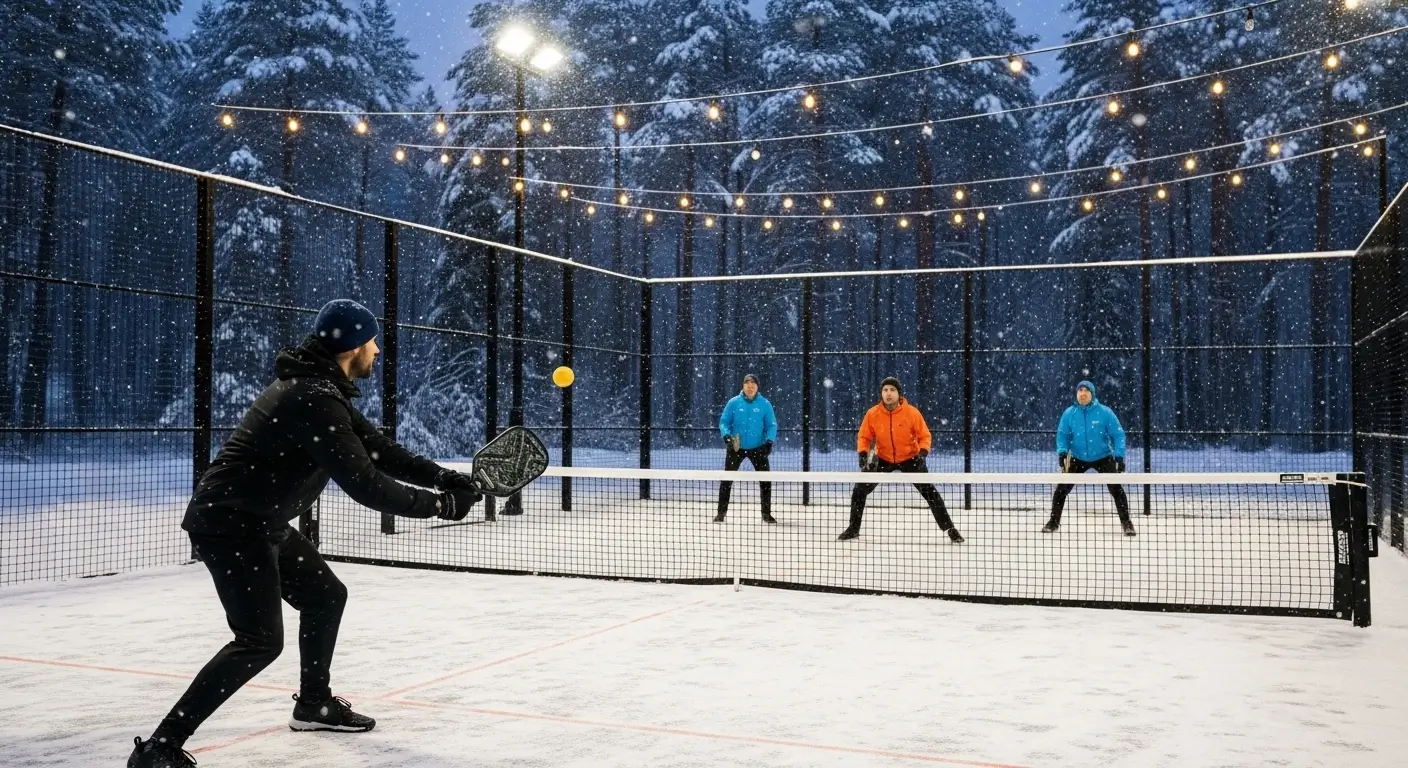
If you’re looking for a thrilling, fast-paced sport that combines the finesse of tennis and the dynamics of racquetball, look no further than platform tennis. This sport is taking the U.S. by storm, especially in colder climates where traditional tennis courts are often unusable during the winter months. Whether you’re a complete beginner or a seasoned player, this guide will walk you through everything you need to know about platform tennis, from its history and unique gameplay to equipment recommendations and competitive opportunities.
Ready to hit the court? Let’s dive into the world of platform tennis!
What Is Platform Tennis?
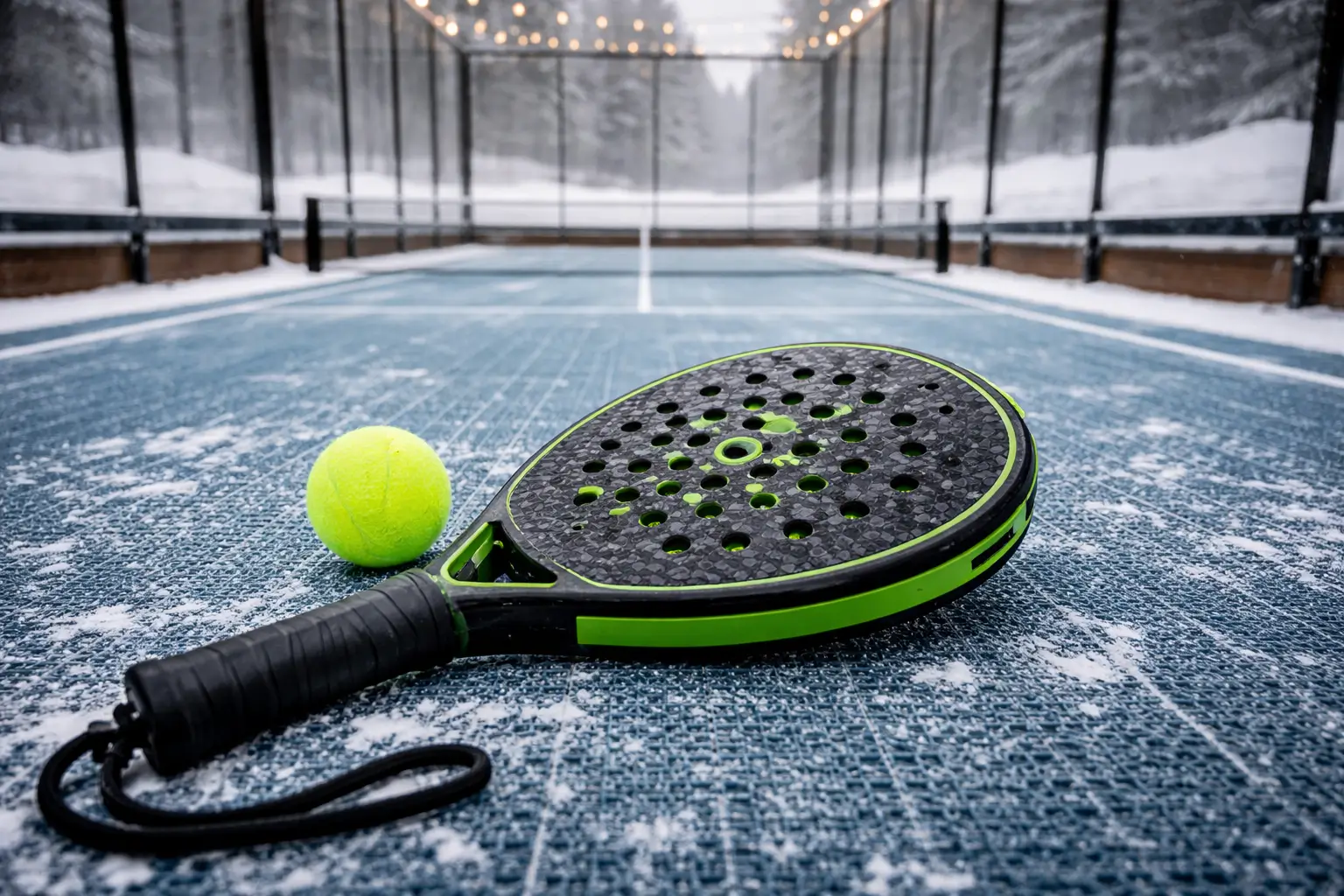
Platform tennis is a winter sport played outdoors on an elevated court, usually surrounded by mesh screens. The game is a hybrid of tennis and racquetball, played with a solid perforated paddle and a small rubber ball. Unlike traditional tennis, the ball can rebound off the surrounding screens, creating a fast-paced game full of dynamic play and strategic shot-making.
Key Features of Platform Tennis:
- Court Dimensions: The court is 44 feet by 20 feet for doubles play, making it much smaller than a regular tennis court.
- Screened Walls: The walls surrounding the court allow the ball to bounce off them, adding a unique tactical layer.
- Solid Paddle: Unlike a traditional tennis racket, the paddle used in platform tennis is smaller, solid, and perforated, reducing air resistance and providing better control.
History of Platform Tennis: From Winter Pastime to Year-Round Sport
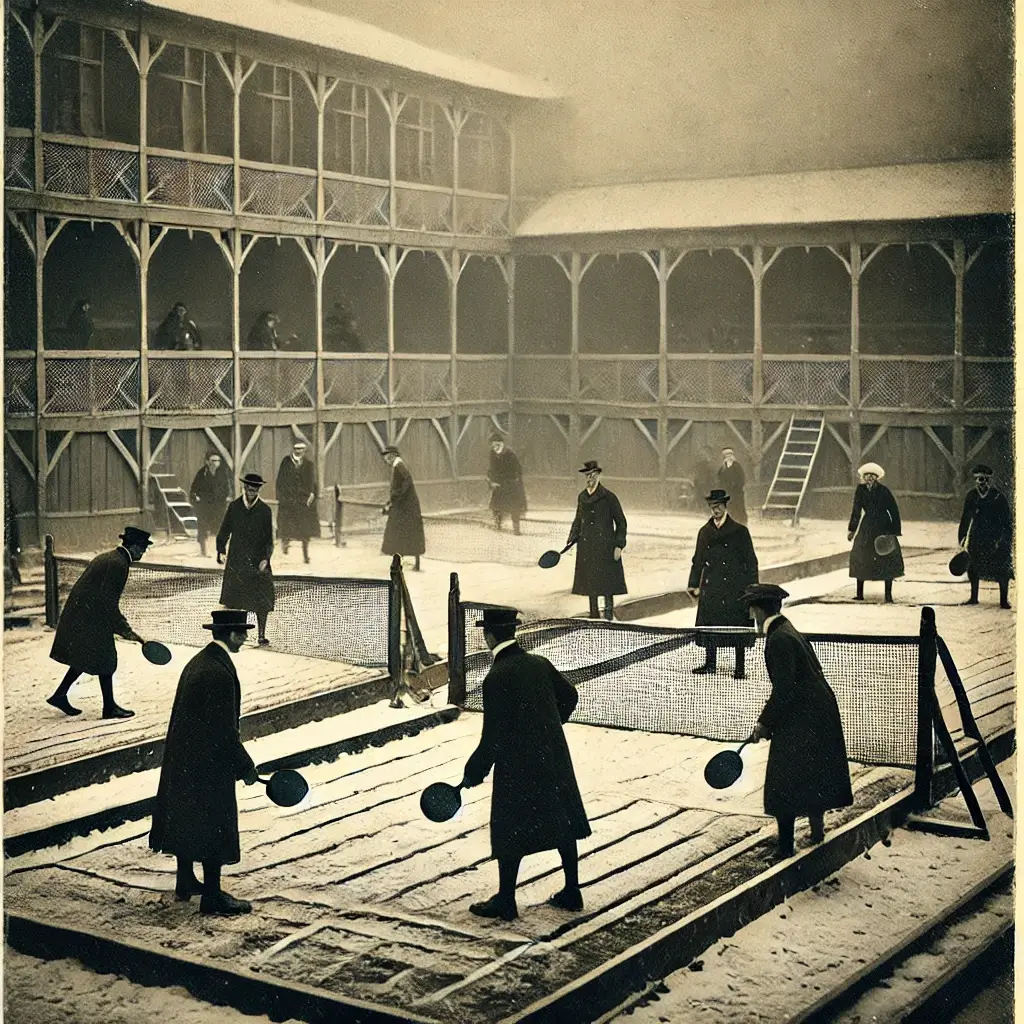
Platform tennis was invented in the 1920s by James Cogswell, a New York architect who sought to create a way for tennis enthusiasts to stay active during the winter months. To solve the problem of outdoor tennis play during cold weather, Cogswell designed the first platform tennis court, which was elevated and surrounded by mesh screens. His innovation allowed players to rebound the ball off the walls, making the game fast-paced and exciting despite the harsh winter elements.
The sport quickly gained popularity, especially in the Northeast and Midwest United States, where tennis clubs saw the potential for year-round play. By the 1950s, platform tennis had expanded to other regions of the U.S., and it became a beloved winter pastime for many. Today, it enjoys a loyal following across the country, with players of all skill levels enjoying the unique experience it offers.
For a deeper dive into the history of platform tennis, explore the complete story on Wikipedia.
Is Platform Tennis the Same as Padel?
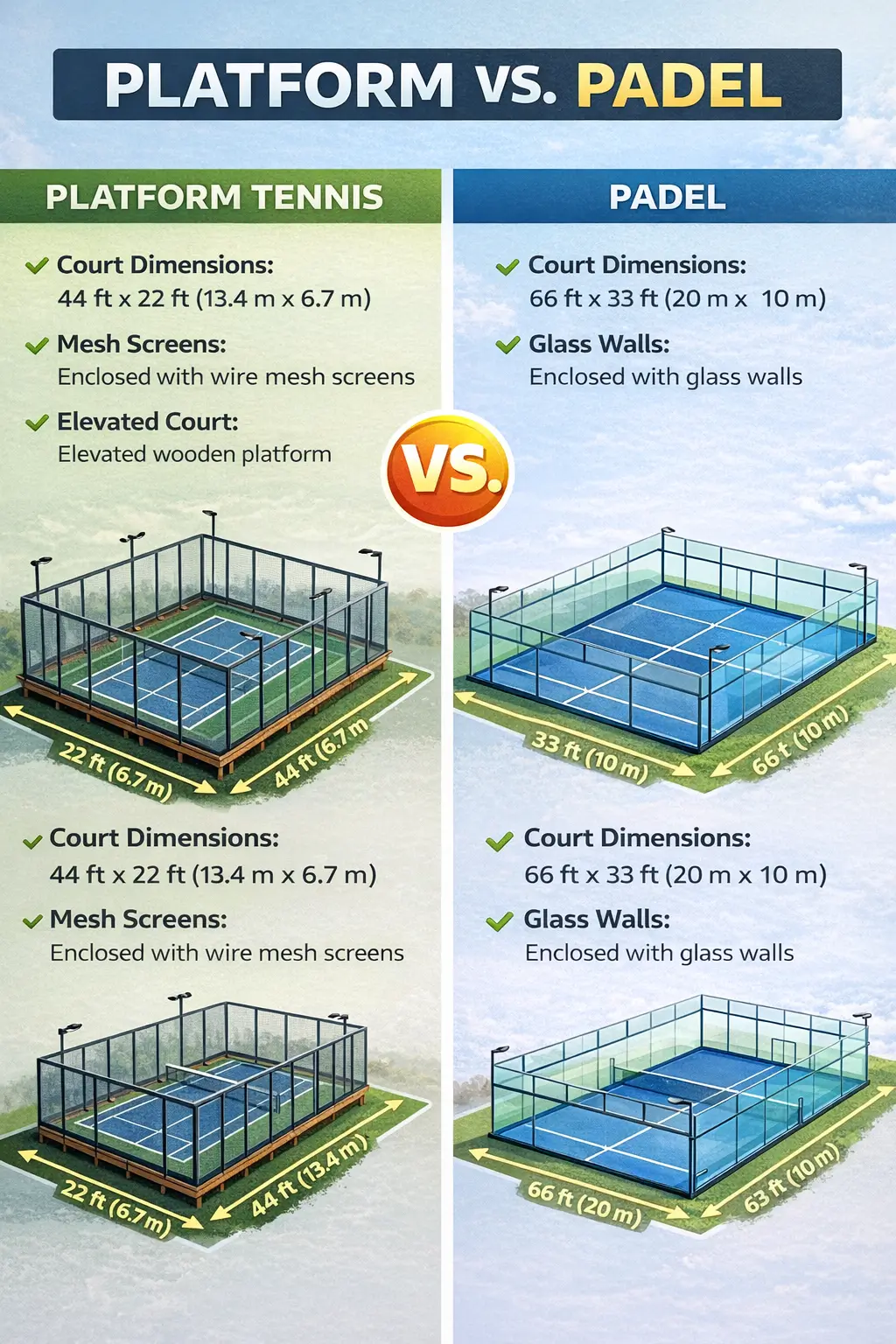
One of the most common questions is whether platform tennis is the same as padel. Both sports involve paddles, but they differ in several important ways:
- Court Setup & Size:
- Platform Tennis: Played on a smaller court (44 feet by 20 feet), entirely enclosed with mesh screens that players can use to rebound the ball.
- Padel: Played on a larger court (33 feet by 66 feet) with glass walls but no screen boundary.
- Climate:
- Platform Tennis: Played outdoors in colder climates, making it a year-round sport, even during winter.
- Padel: Typically played indoors or in warmer climates.
- Gameplay:
- Platform Tennis: The fast-paced nature of the game is driven by its smaller court and wall rebounds, creating quick exchanges.
- Padel: Played on a larger court with more focus on strategy and finesse, using larger paddles and slower ball movement.

How to Play Platform Tennis
Getting started in platform tennis is simple, but mastering it takes practice. The sport is typically played in doubles and follows similar rules to tennis, but with key differences. Here’s how to dive in:
1. Essential Equipment
To enjoy platform tennis, having the right gear is essential:
- Platform Tennis Paddle: The paddle is smaller than a tennis racket, solid, and perforated. This design allows for greater control during fast rallies.
- Platform Tennis Shoes: Look for shoes with non-marking soles and good traction. The court surface can be slippery, so stability is key.
- Comfortable Clothing: Wear attire that allows for easy movement, and in colder climates, layer appropriately for the outdoor conditions.
You can explore platform tennis gear and paddles from reputable retailers like Tennis Warehouse and Amazon.
2. Court Layout and Understanding the Walls
The platform tennis court is much smaller than a standard tennis court. Here’s what you need to know:
- Court Dimensions: The court is 44 feet long and 20 feet wide for doubles play.
- Walls: The surrounding screens are key to the game’s dynamics. They allow the ball to rebound, creating new angles and opportunities for strategic play.
- The Net: The net sits lower than traditional tennis, only 34 inches in the center, which allows for quicker exchanges.
3. Mastering the Rules
The rules of platform tennis are similar to tennis but with a few key distinctions:
- Serving: Players must serve underhand, and the serve must land in the service box on the opposite side.
- Scoring: The game uses the traditional tennis scoring system: 15, 30, 40, and game.
- Rebounds: The ball can bounce off the screens, so players must be quick to react and use the walls to their advantage.
Coach’s Corner: From the Court
“I often see tennis players panic and lunge for the ball as it passes them, completely forgetting that the wire screen is actually their best teammate for a ‘second chance’ shot.
My Tip: Stay patient and let the ball hit the screen first; the resulting rebound is usually slower and easier to control. Mastering this patience allows you to stay in longer rallies, which is exactly how you maximize the cardio health benefits of court sports without the high-impact stress of desperate lunging.”
Key Differences Between Platform Tennis and Other Racquet Sports
Though platform tennis shares some similarities with tennis, it has its own distinct characteristics. Here’s how it compares to other racquet sports:
- Court Size: Platform tennis courts are much smaller than tennis courts, which means faster rallies and more dynamic play.
- Walls: Unlike tennis, platform tennis allows the ball to rebound off the walls, adding a layer of strategy not seen in other racquet sports.
- Playing Environment: Platform tennis is typically played outdoors in cold-weather regions, unlike padel or tennis, which are often played indoors or in warmer climates.
Learn more about how platform tennis compares to other sports in our article on the history of badminton.
The Benefits of Playing Platform Tennis
Platform tennis offers a wide range of health benefits, making it a great choice for people of all ages and skill levels. Here are just a few reasons why playing platform tennis is a great way to stay active:
- Cardiovascular Health: Playing platform tennis can improve your heart health by providing an intense cardio workout.
- Improved Agility and Reflexes: The fast-paced nature of the game helps improve quick reflexes and footwork.
- Mental Clarity: Platform tennis also promotes mental sharpness, as it requires strategy, quick thinking, and adaptability to each point.
- Social Interaction: As a doubles sport, platform tennis provides an opportunity for social interaction and teamwork, making it perfect for meeting new people.
If you’re curious about how platform tennis compares to other court sports in terms of health benefits, check out our post on Court Sports Explained & Types of Court Sports, Age-Based Health Benefits, and Cardio Impact.
Essential Equipment for Platform Tennis
To excel in platform tennis, investing in the right equipment is essential. Here’s what you’ll need:
- Platform Tennis Paddle
Unlike tennis rackets, platform tennis rackets are solid, smaller, and perforated to help players gain better control during fast exchanges. - Platform Tennis Shoes
Specialized shoes provide excellent traction on the court surface, helping prevent slips and injuries. Look for shoes with good ankle support to handle the lateral movements. - Platform Tennis Court
The enclosed court is unique in design. Its smaller size and mesh screens allow the ball to rebound, making it more unpredictable than regular tennis.
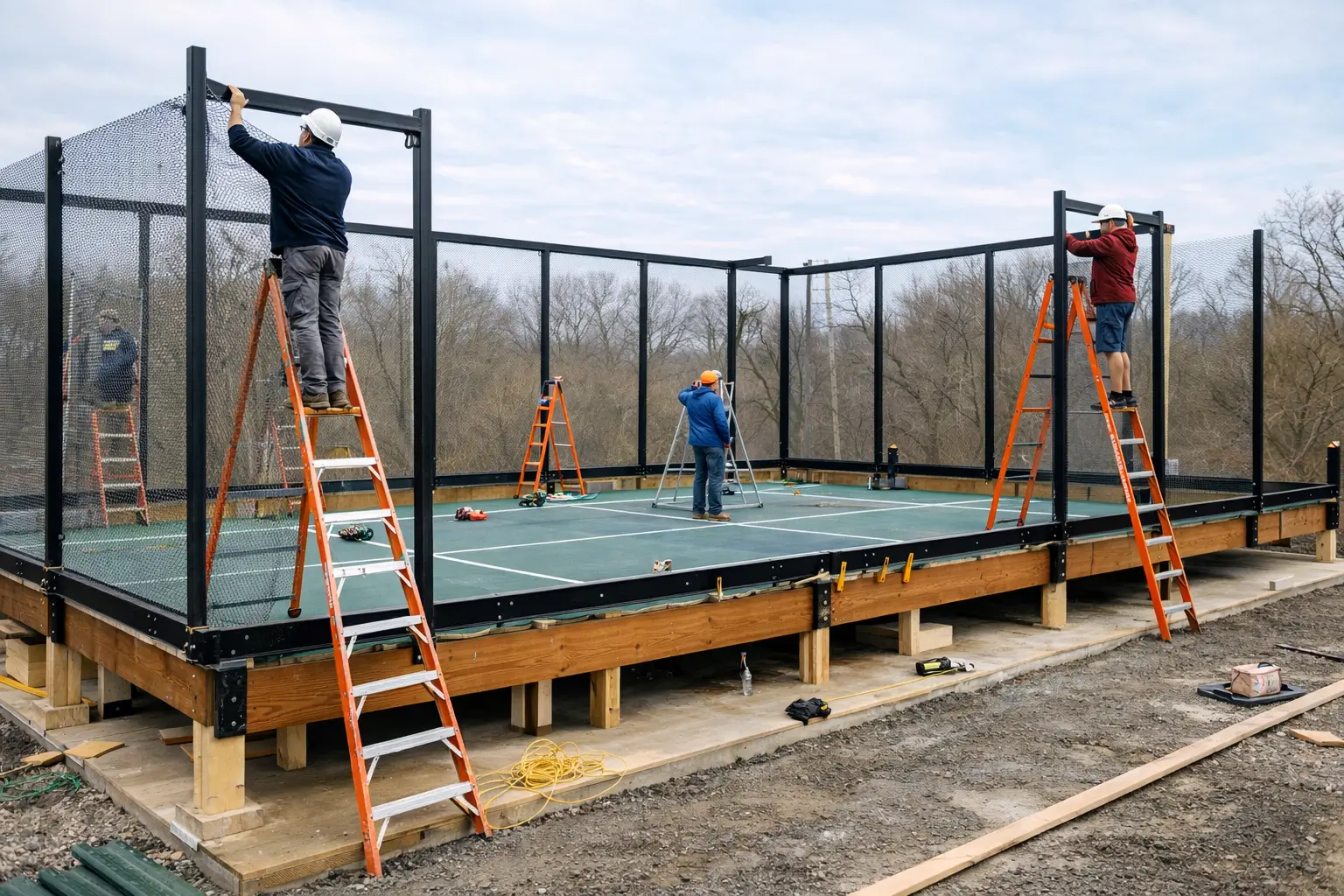
How Much Does It Cost to Set Up a Platform Tennis Court?
Building a platform tennis court can be a significant investment. Depending on the size, location, and features, the cost can vary. On average, setting up a court can cost between $30,000 and $60,000. However, for those who want to build their own court, the investment pays off in the long run, especially for avid players who plan on playing frequently.
To get a better understanding of the costs involved, check out our guide on How Much Does a Sport Court Cost in 2026? Residential and Commercial Pricing Guide.
Frequently Asked Questions About Platform Tennis
What Is Platform Tennis?
Platform tennis is a year-round outdoor sport played on a smaller, enclosed court with mesh screens that allow the ball to rebound. The sport is played using a solid, perforated paddle and follows a tennis-like scoring system.
How Do You Play Platform Tennis?
The game involves players using platform tennis paddles to hit a ball over the low net. The ball can also bounce off the surrounding walls, adding a unique dimension to the game. Doubles matches are the most common format.
Is Platform Tennis the Same as Padel?
No, while both use paddles, the court dimensions, playing environment, and style of play differ significantly. Platform tennis is played outdoors on a smaller court, while padel is generally played indoors on a larger court.
Conclusion
Whether you’re stepping onto the court for the first time or are an experienced player looking to improve your game, platform tennis offers a fast, fun, and strategic way to stay active year-round. By understanding the rules, equipment, and unique court dynamics, you’ll be on your way to mastering this exciting sport.
To get started, check out resources from trusted platforms, such as the USPTA Official Website, which offers a range of equipment recommendations and tournament details.
Ready to play? Head to your nearest platform tennis club and get started today