
 By Ghulam Mustafa Khan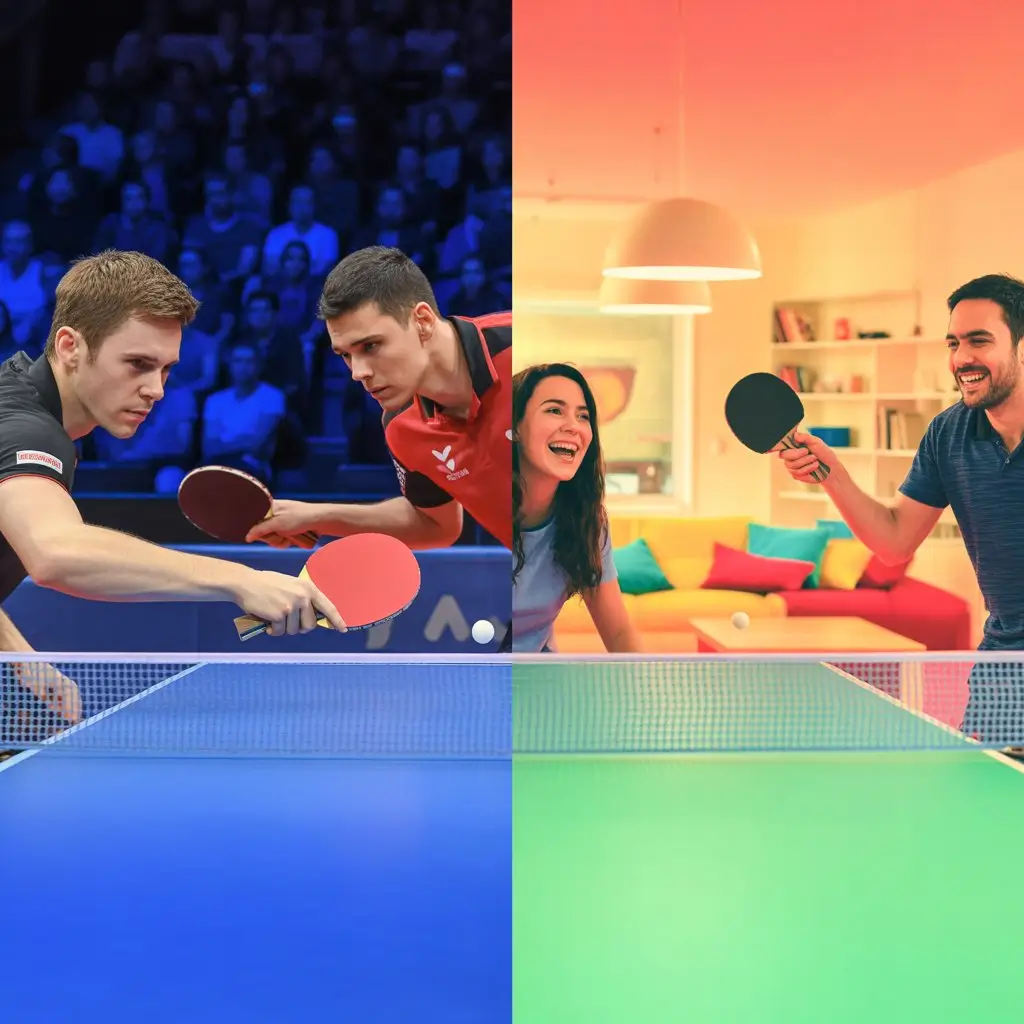
When people think of the game played with paddles, a small ball, and a table, they often ask, “Is there a difference between table tennis and ping pong?” While these two names are often used interchangeably, they are not exactly the same. Both share similar gameplay, but they diverge when it comes to history, equipment, terminology, and how they are perceived culturally. In this article, we’ll break down these differences and explore the unique characteristics of each, so you can understand what sets table tennis apart from ping pong.
The Origins of Table Tennis and Ping Pong: A Historical Journey
The Beginnings of Table Tennis
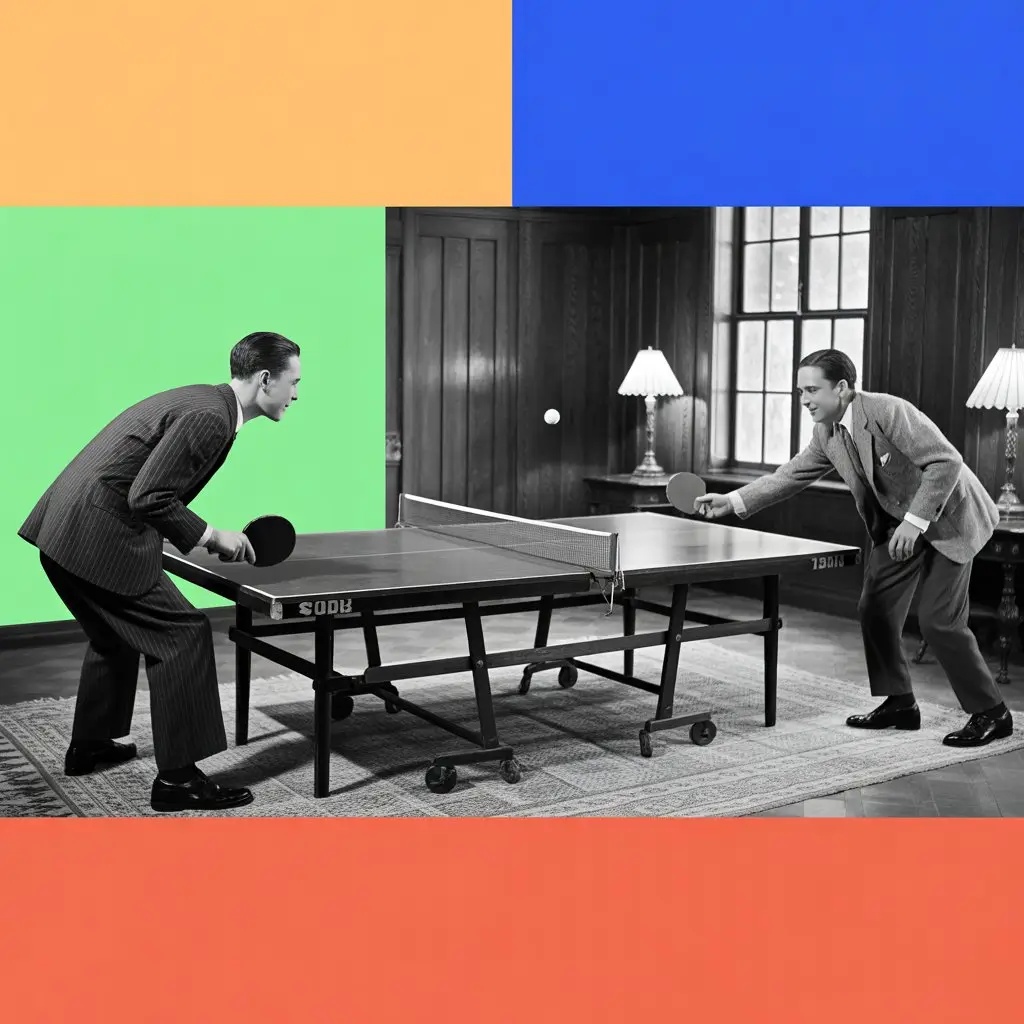
Table tennis has a rich history dating back to the late 1800s in England. It emerged as a way to enjoy lawn tennis indoors and was initially seen as a fun and social game for the upper classes. The game’s early variations were known as “whiff-whaff,” and over time, it evolved into the structured sport we know today.
The official birth of table tennis took place in 1926 with the founding of the International Table Tennis Federation (ITTF). This pivotal moment marked the beginning of the sport’s rapid growth, leading to the development of standardized rules, an organized competitive structure, and global recognition. In 1988, table tennis was included in the Olympic Games, solidifying its place as a premier international sport. Explore the rich history, milestones, and achievements of the ITTF here.
The Rise of Ping Pong
Ping pong, on the other hand, has a more relaxed origin story. The term “ping pong” was actually a trademarked name introduced by Parker Brothers in 1901. It was used to refer to the same sport but was popularized for casual, home play. The name is said to be derived from the sound the ball makes when it bounces on the table or paddle—”ping” and “pong.”
While ping pong was originally a commercial name, it stuck around in the informal play setting. Over the years, ping pong became associated with fun, recreational activities, whereas table tennis became a formal sport with its own competitive structure and rules
Health Benefits of Playing Table Tennis and Ping Pong
Cardio Health
Playing table tennis is an excellent way to improve cardiovascular health. It helps increase your heart rate while being easy on the joints. If you’re looking to understand more about cardio in court sports
Coordination and Reflexes
Table tennis is an excellent way to enhance hand-eye coordination and reflexes. The fast-paced nature of the game requires quick decision-making, helping to improve reaction times and precision. These skills can then be applied to various other activities and sports, enhancing overall athletic performance. For more on how court sports boost coordination and fitness, check out our guide on Court Sports Explained.
Mental Health Benefits
Table tennis is not only good for physical health but also for your mental well-being. Playing helps to reduce stress, improve focus, and boost mental clarity. Whether you play casually or competitively, it can have a positive effect on your mind. To learn how different sports support mental health, visit our guide on Sport Court Costs and Fitness Impact.
Weight Loss and Table Tennis
Table tennis is a good option for weight loss, offering both cardio and muscle benefits. It’s a low-impact way to burn calories without putting stress on the joints.
Low-Impact Cardio
Unlike running, table tennis provides cardio benefits with less strain on the body. Learn more about low-impact exercisesFat Burning
Playing table tennis can help burn fat, especially during competitive matches. You can also find details on how sport courts can aid in fat-burning exercises in Sport Court Cost in 2026.
Injury Prevention in Table Tennis
While table tennis is a safer sport compared to others, there are still some common injuries to watch out for. By focusing on proper techniques, players can prevent injuries.
Warm-Up and Footwork
Start with a proper warm-up to avoid strains. Focus on your footwork to prevent overexerting your muscles. If you’re interested in injury prevention for other racquet sports, read more in our post about Platform Tennis for Beginners.
How Table Tennis Improves Mental Focus and Reaction Time
Table tennis requires fast thinking and quick reactions. Playing regularly helps improve focus and reaction times, which is beneficial not only in sports but in daily life.
Mental Focus and Reflexes
This sport enhances your ability to maintain focus and sharpen your reflexes. For more on improving focus in other sports, check out our beginner’s guide to Pickleball.
How to Start Playing Table Tennis
Starting table tennis doesn’t require much equipment. Just a table, paddles, and a ball. Focus on learning the basic rules and techniques before moving to more advanced levels.
Essential Equipment
Start with the fundamentals by selecting basic paddles to familiarize yourself with the rhythm of the game. This will give you a solid foundation to understand the dynamics and develop a strong feel for the action on the court. Whether you’re a beginner or getting back into the sport, starting with the basics will build your confidence and help you improve your skills gradually.
Key Differences Between Table Tennis and Ping Pong
Terminology: Table Tennis vs. Ping Pong
The first distinction comes down to terminology:
- Table Tennis: This is the official name used in professional contexts and recognized by governing bodies like the ITTF. It refers to the game when played at a competitive level.
- Ping Pong: This term, however, has become synonymous with casual play. It’s often used informally in home settings or in social contexts where players are just enjoying the game without following the official rules.
Coach’s Corner: From the Court
“I often see recreational players struggle to transition into competitive play because they rely on large, shoulder-heavy swings that simply cannot handle the extreme spin of professional rubber.
My Tip: To gain immediate control, focus on ‘shortening’ your stroke and using your wrist to snap through the ball—this mechanical shift allows you to react to high-speed spin and is a technique you can master easily through dedicated solo training at home before you even step into a competitive club environment.”
Rules and Scoring
Table Tennis (Competitive Play)
When it comes to rules and scoring, table tennis follows a structured and highly regulated system:
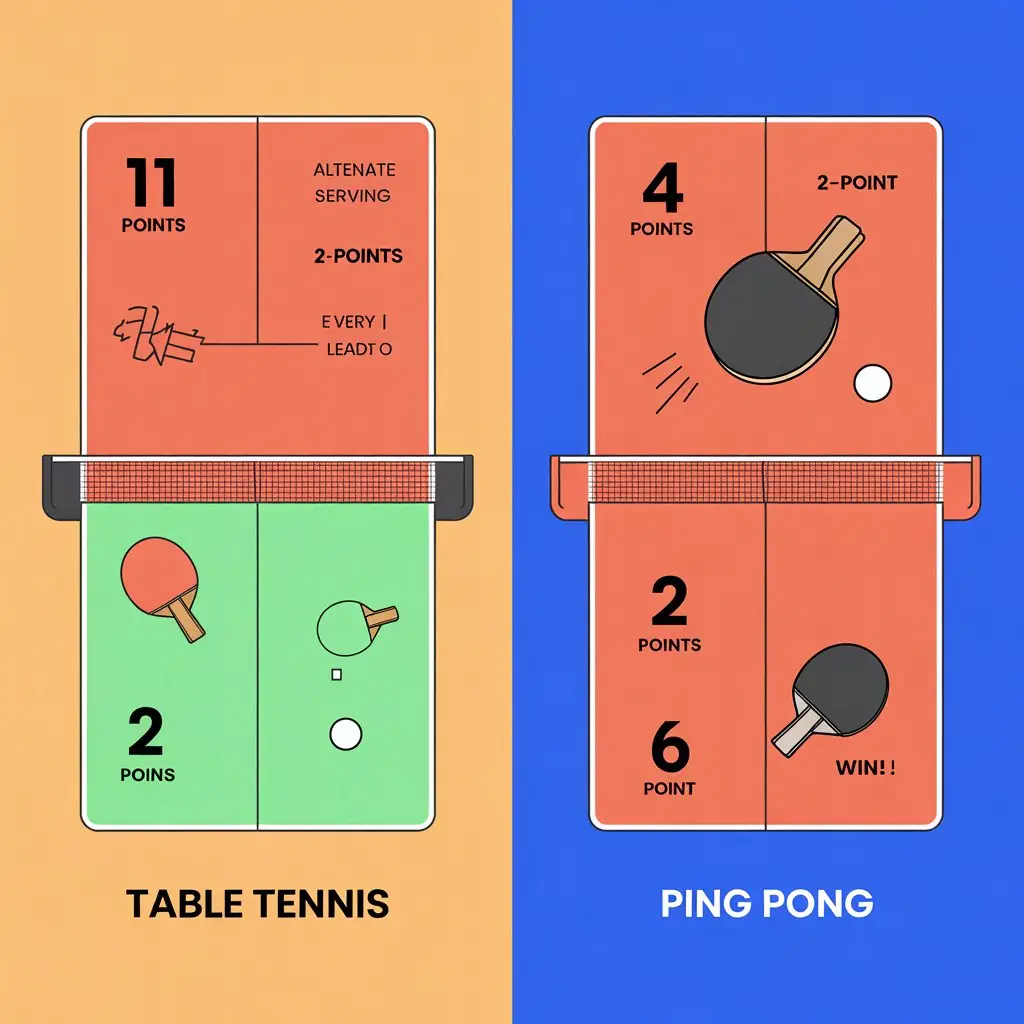
Scoring System: A match typically consists of sets, and each set is played to 11 points. A player must win by a 2-point margin.
Serving: Players alternate serving every 2 points. There are specific rules for how the ball must be served (e.g., it must bounce on both sides of the table).
Gameplay: The game is fast-paced and involves advanced techniques, such as spin, topspin, and backspin. Precision and agility are key.
Ping Pong (Casual Play)
On the flip side, ping pong is much more relaxed and doesn’t follow a standardized set of rules:
Scoring System: The scoring is often flexible, with no strict rules. Players may agree to play to 21 points or just set an arbitrary point total.
Serving: There’s no formal rule for serving in ping pong. The players can serve however they like, making it much less technical.
Gameplay: Ping pong allows for more informal play, with rallies often lasting longer. The game is less about precision and more about fun.
Equipment: Table Tennis vs. Ping Pong
Rackets and Balls
One of the most notable differences lies in the equipment used:
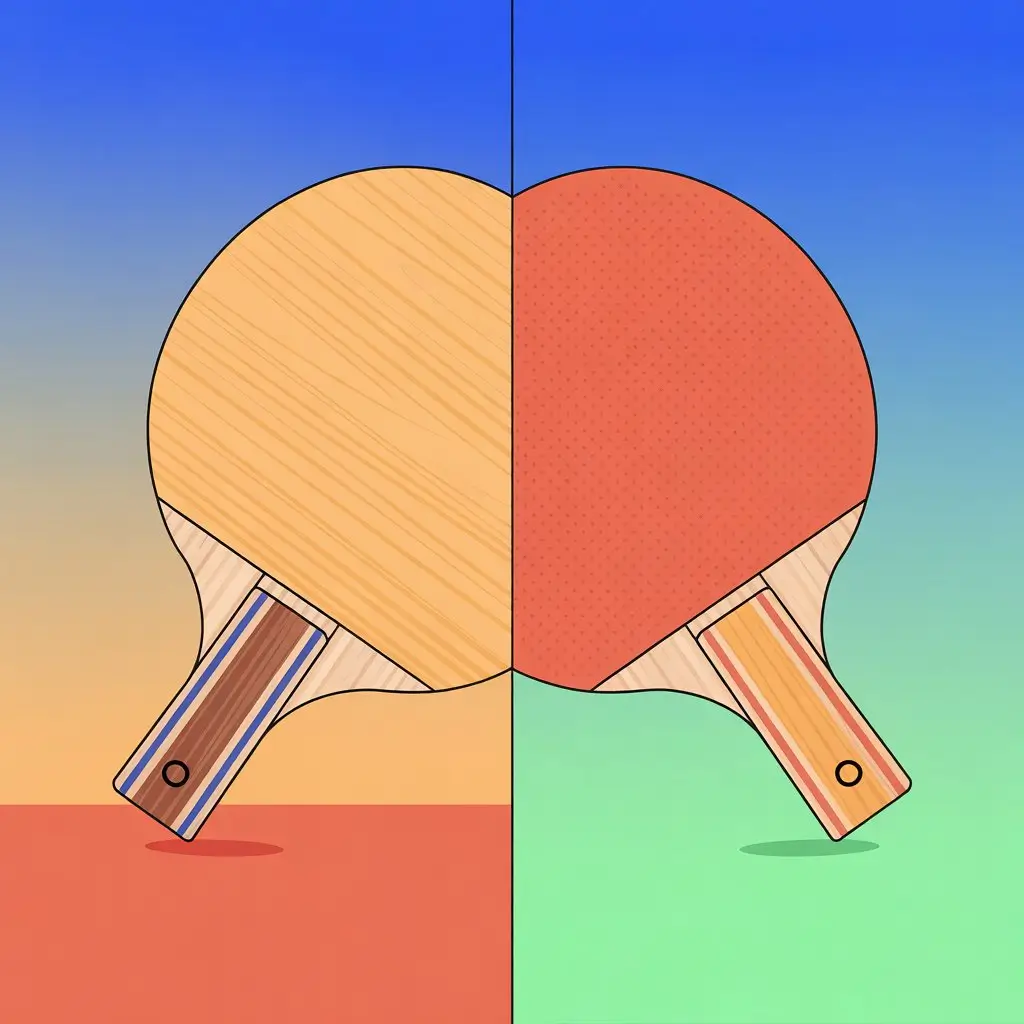
- Table tennis rackets are made with specialized rubber surfaces to enhance the ball’s spin and speed. The racket’s construction includes multiple layers of wood for better control and precision.
- Ping pong paddles are often simpler, made of wood or lightweight materials with basic rubber layers. These paddles are more about comfort than performance.
Tables and Balls
- Table tennis tables are standardized in size: 9 feet by 5 feet, and they include a net height of 6 inches. They are designed for fast and competitive play, ensuring the ball bounces in a way that suits professional matches.
- Ping pong tables can vary in size and material. While they are often similar in size to table tennis tables, their construction is not standardized, and they can be made from cheaper materials, leading to inconsistencies in play.
Balls: The table tennis ball is a 40 mm ball made from durable plastic. It is designed to bounce consistently and facilitate fast play. The ping pong ball is often less durable and slightly larger.
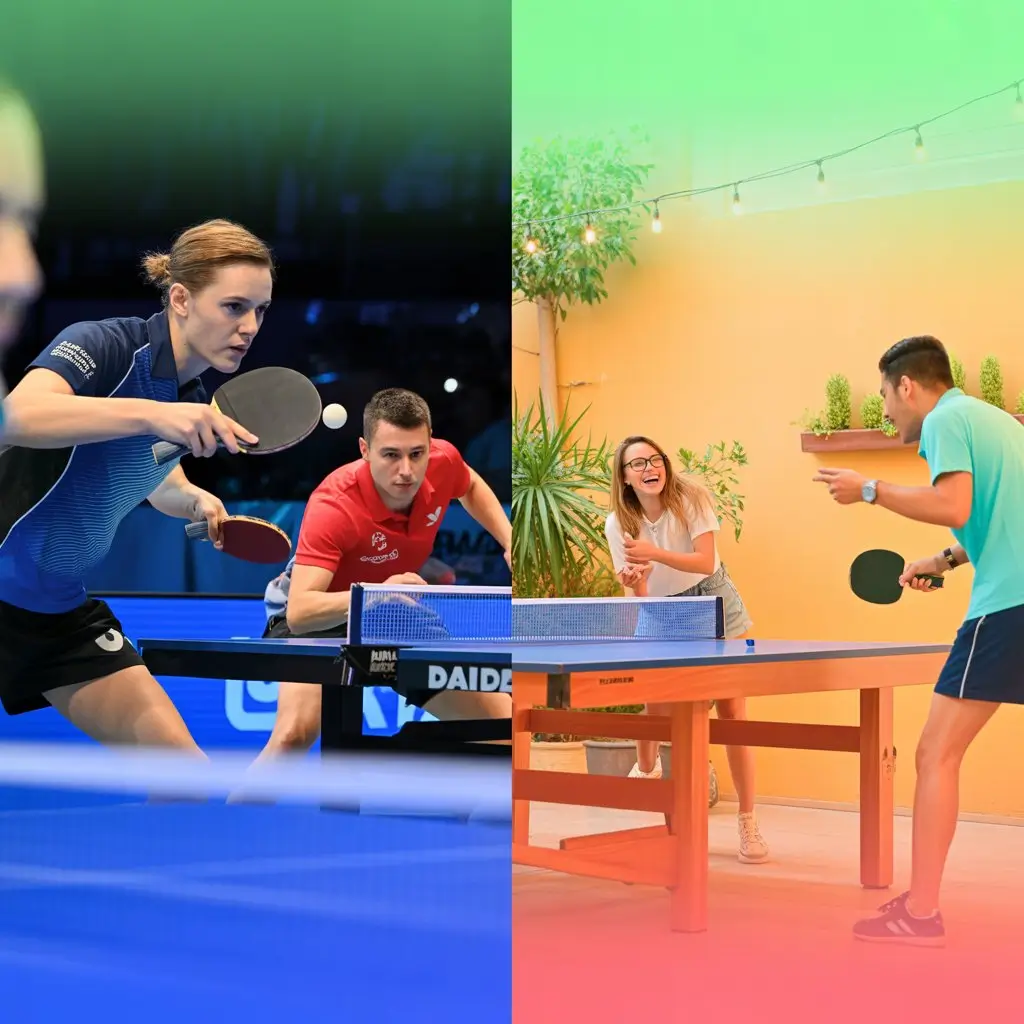
Playing Style: How Do Table Tennis and Ping Pong Differ?
Table Tennis: Precision and Speed
Table tennis is a sport that demands high levels of skill. Professional players spend years honing their serve techniques, backhand, and spin strategies. Matches are quick, intense, and require precise timing and movement.
Ping Pong: Relaxed and Fun
Ping pong, however, doesn’t require the same level of precision. It is more about fun and social interaction, with fewer strict technical demands. The game is often played with simple back-and-forth rallies, and players focus more on enjoyment than technique.
Competitive Landscape: Table Tennis vs. Ping Pong
While table tennis is a professional sport with tournaments held around the world, such as the World Table Tennis Championships, ping pong does not have a formal competitive structure. It remains a recreational game, played mostly in casual settings and social gatherings.
Cultural Perception: How Are They Viewed?
Table tennis is seen as a serious sport in countries like China, where it is recognized as the national sport. Players such as Ma Long and Fan Zhendong are international stars.
In contrast, ping pong is viewed as a lighthearted game, mostly associated with family fun, local clubs, and informal competitions. Read more about cultural perceptions of ping pong.
Why Do People Call Table Tennis Ping Pong?
The term “ping pong” endures because of its sound association with the game. The “ping” and “pong” are derived from the ball’s bounce. Over the years, the term stuck around in informal circles, even as the competitive version of the sport was given the more formal title of table tennis.
Are Table Tennis and Ping Pong Rackets the Same?
No, the rackets differ significantly:
- Table tennis rackets are built for precision, with layers of rubber and special coatings to handle spins and speed.
- Ping pong paddles are generally simpler, often designed for comfort rather than top-tier performance.
Are Table Tennis and Ping Pong Tables the Same Size?
- Table tennis tables are standardized: 9 feet by 5 feet.
- Ping pong tables may vary in size, especially in informal settings.
Scoring Differences: Table Tennis vs. Ping Pong
Table tennis uses a rigid scoring system, while ping pong allows players to adjust the rules to fit the context of the game. Often, in ping pong, players decide how long the match will go, making the game much more flexible.
What Came First: Ping Pong or Table Tennis?
Table tennis was the original name for the sport, invented in England. “Ping Pong” was coined later by Parker Brothers as a trademarked term. The casual play associated with ping pong remained, but as the sport grew globally, the term “table tennis” took hold in official contexts.
Is Ping Pong Harder Than Tennis?
Ping Pong and traditional tennis differ significantly. While ping pong involves rapid reflexes and precision, tennis requires stamina and the ability to cover a much larger playing field. The physical demands of tennis make it more physically challenging, while ping pong focuses more on mental agility.
Why Did They Stop Calling It Ping Pong?
Over time, the use of the term “ping pong” decreased in professional settings because it was associated with informal, recreational play. As table tennis grew into a serious sport with international recognition, the name change helped distinguish the two. Ping pong became tied to home play and fun, while table tennis took its place in official competitions.
Conclusion: Table Tennis vs. Ping Pong by Understanding the Real Differences
While table tennis and ping pong may appear similar, their differences in terminology, rules, and cultural perceptions are what set them apart. Table tennis is a globally recognized, competitive sport governed by strict rules, while ping pong remains a fun, recreational activity. Whether you play professionally or for enjoyment, both versions of the game offer excitement and joy.