
 By Ghulam Mustafa Khan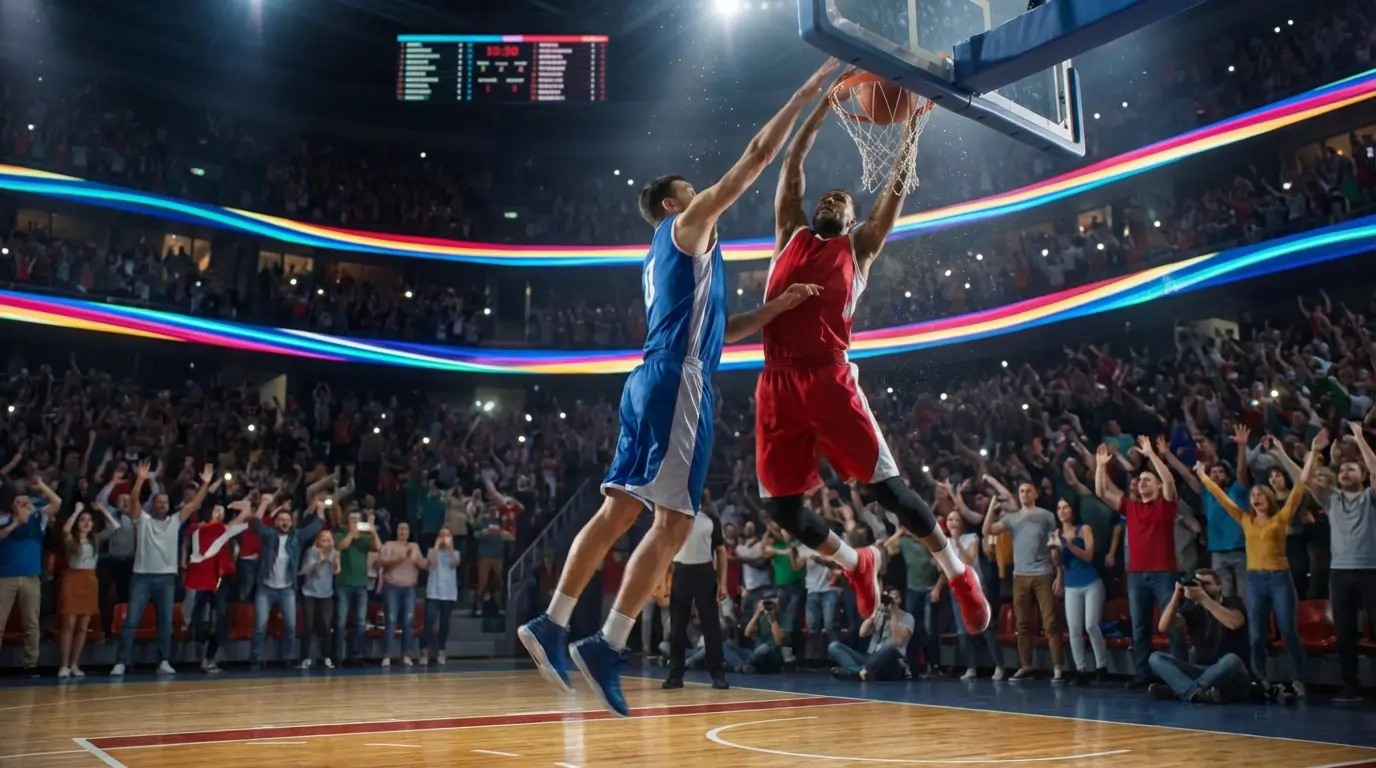
Basketball is a rare example of a sport that was engineered for a specific purpose rather than evolving from ancient folk traditions. In the modern era, it has transitioned from a localized gymnasium activity to a central pillar of international culture. To understand its current status, we must examine the historical mechanics of its creation and the data-driven reasons behind its worldwide adoption.
The Historical Foundation and Invention
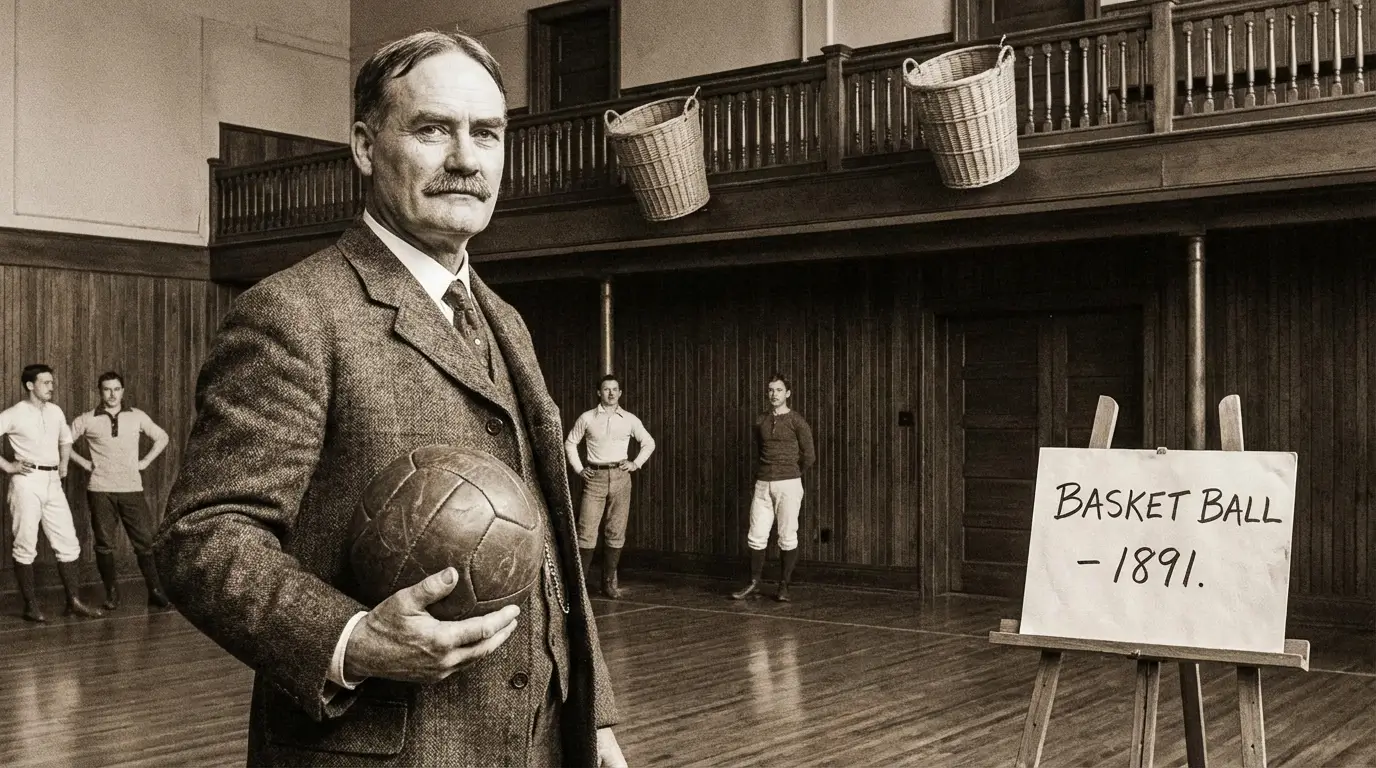
The sport was established in December 1891 by Dr. James Naismith at Springfield College in Massachusetts. Tasked with creating an indoor game to provide athletic conditioning during winter months, Naismith drafted thirteen basic rules and utilized peach baskets as the first goals.
According to the Naismith Basketball Hall of Fame, the original game focused heavily on passing since dribbling was not a part of the initial framework. At 135 years old, the sport has evolved from these rigid beginnings into a high-velocity game defined by verticality and fluid motion. The origin of the sport is uniquely documented, allowing historians to trace its growth with more precision than sports like soccer or baseball.
The Factors Behind Rapid Global Growth
The question of how basketball became famous can be answered through its logistical simplicity. Unlike many team sports, basketball requires minimal equipment and a small surface area. This efficiency allowed the sport to spread rapidly through the YMCA network and eventually into urban centers where space was at a premium.
Unlike many team sports, basketball requires minimal equipment and a small surface area. This efficiency allowed the sport to spread rapidly through urban centers where space was at a premium. For those looking to bring the game home, understanding the sport court cost for residential and commercial is the first step in creating a dedicated space for play.
Why Basketball is a Global Sport
The globalization of basketball is a result of strategic international expansion and the inherent nature of the game. Several key factors contribute to its status as a primary global sport:
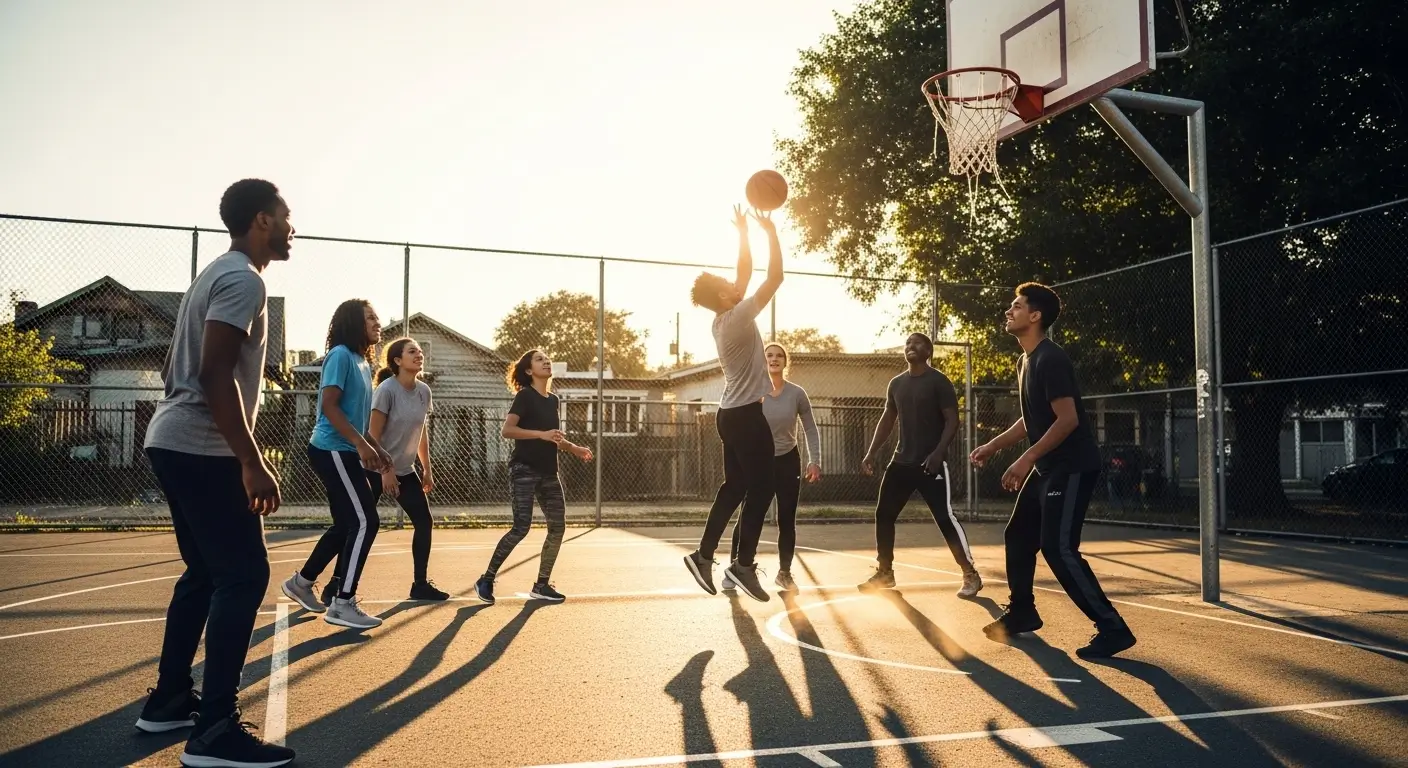
- Participation Accessibility: The sport can be played individually or in small groups, making it easier for youth to practice without organized teams.
- The Influence of International Players: Organizations like FIBA (The International Basketball Federation) have documented the rise of professional leagues on every continent, which has decentralized the talent pool from the United States.
- Cultural Export: The sport is closely integrated with global music and fashion trends, making it a lifestyle choice as much as an athletic one.
Comparative Popularity: Basketball vs. Soccer
When analyzing the popularity of sports worldwide, a common point of comparison is the relationship between basketball and soccer. While soccer currently maintains the largest total fan base globally, basketball is frequently cited as having higher growth rates in digital engagement and indoor participation.
According to data-driven assessments from Topend Sports, soccer leads in sheer volume of viewers, particularly in Europe and South America. However, basketball holds a unique advantage in marketability and individual star power. Because rosters are small, fans can follow individual athletes more closely, which has led to basketball players becoming some of the most recognizable people on earth.
Analyzing the International Expansion of Modern Basketball
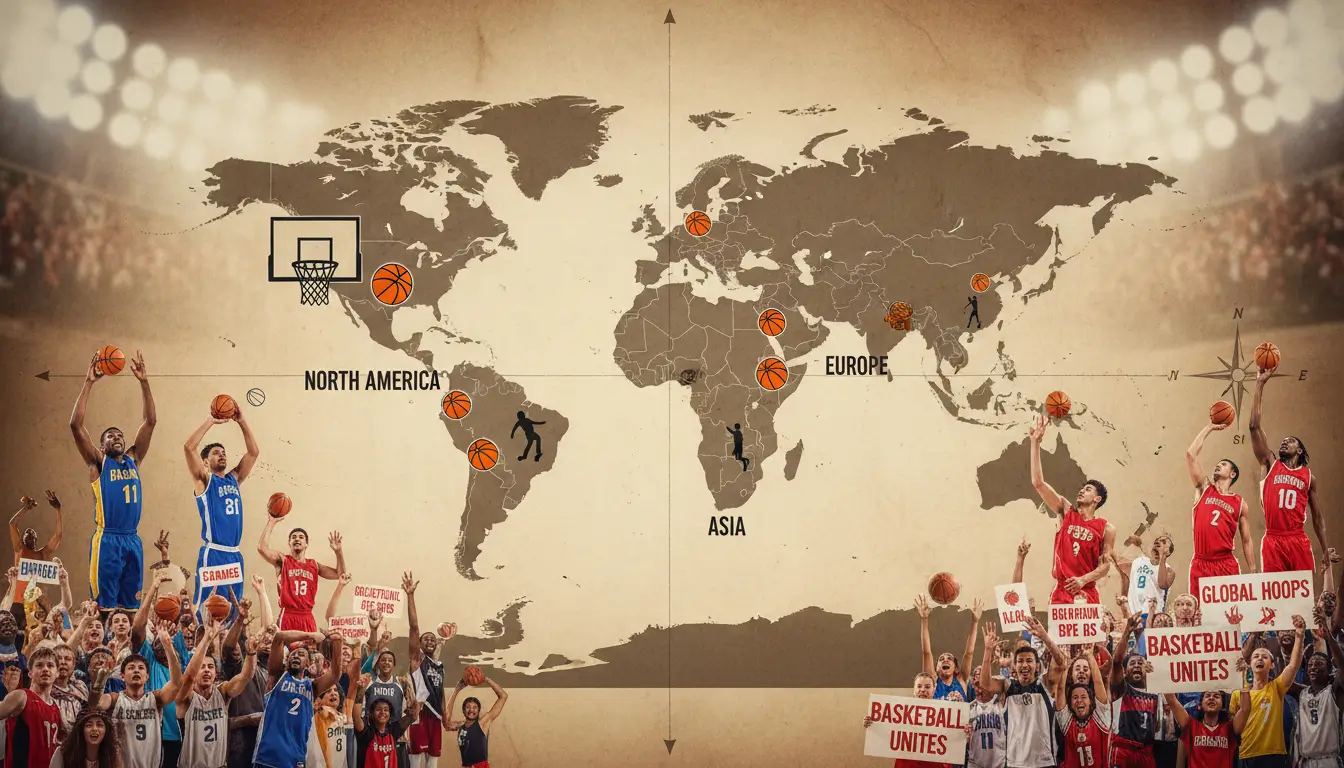
How popular is basketball in the current landscape? Statistical assessments from the NBA’s global outreach data suggest that at least 450 million people play the sport across the globe. This participation is supported by a massive infrastructure of professional leagues, including the NBA in North America, the EuroLeague in Europe, and the CBA in China.
The sport is not merely popular; it is a fundamental part of the global sporting economy. Its ability to transcend language and geographic barriers has cemented its place as a permanent fixture in the world of competitive athletics.
The Logic of Greatness: What Makes Basketball the World’s Best Sport?
Beyond its historical origins, the modern popularity of basketball is sustained by a unique combination of psychological engagement, physical accessibility, and cultural integration. This section examines why the sport resonates so deeply with participants and spectators alike, and addresses its standing among the world’s most demanding athletic endeavors.
The Psychology of Engagement: Why People Love Basketball
The enduring appeal of basketball is rooted in its high-frequency scoring and continuous motion. Unlike sports that feature long pauses or specialized play, basketball maintains a consistent flow that keeps spectators in a state of high engagement.
Appeal and Entertainment Value
Psychological research regarding sports engagement suggests that athletes often reach a flow state, commonly known as being in the zone, more consistently in basketball because of the rhythmic mechanics involved in dribbling and shooting. This internal experience for the player translates into a high-intensity product for the audience. The entertainment value for spectators is primarily fueled by the following factors:
- Constant Scoring Opportunities: With scores occurring every few seconds, the dopamine response for fans is much higher than in low-scoring sports.
- Visibility of Emotion: The proximity of fans to the court and the lack of helmets allow for a direct emotional connection between the athletes and the audience.
- Unpredictable Momentum: A ten-point lead can evaporate in minutes, creating a level of suspense that is a primary driver for the growth of global viewership.
Breaking Down the Reasons Why Basketball is the Best Sport for Everyone
While “best” is subjective, basketball consistently ranks as a top-tier sport across multiple metrics including health, social cohesion, and accessibility.
While basketball dominates the global stage due to its high-intensity scoring, many enthusiasts also explore other specialized court games that offer similar strategic depth. If you enjoy the tactical nature of court sports, you may also find our comprehensive platform tennis guide useful for understanding the history and equipment of this unique winter sport
5 Reasons Why Basketball Excels
- Logistical Efficiency: All that is required for participation is a ball and a hoop, making it more affordable than hockey or American football.
- Comprehensive Fitness: It provides a full-body workout that combines cardiovascular endurance with high-intensity interval training.
- Inclusivity: Basketball leagues are highly developed for all ages and genders, fostering community spirit worldwide.
- Social Development: As a team sport, it teaches critical life skills such as communication, trust, and shared responsibility.
- Cultural Impact: No other sport has influenced global fashion and music as deeply as basketball.
The Difficulty Debate: What is the #1 Hardest Sport?
In discussions regarding the most difficult sport in the world, basketball is frequently cited for its unique requirement of “multi-modal” athleticism. While boxing may be more physically punishing, basketball requires a rare combination of:
- Endurance and Explosiveness: Players must have the stamina for constant running while maintaining the vertical power to rebound and contest shots.
- Precision Under Pressure: Shooting a ball into an 18-inch rim requires fine motor skills that must be executed while the heart rate is near its maximum.
- Positional Fluidity: Unlike baseball or football, where players specialize in one specific role, basketball players must often be capable of dribbling, passing, defending, and scoring regardless of their size.
The Secret Behind Basketball’s Popularity in the US
The United States is the primary driver of the sport’s commercial success, and its popularity there is a matter of national heritage. Since its invention in Massachusetts, basketball has become a staple of the American educational system.
Factors Contributing to US Dominance
A primary reason for its US success is the accessibility of infrastructure. Most American public parks and schools are equipped with courts, making it the most practiced sport by participation in the country. Furthermore, the National Federation of State High School Associations (NFHS) consistently ranks basketball as a leading sport for both boys’ and girls’ participation, ensuring a steady pipeline of talent and fandom from a young age.
Global Participation and Reach
Quantifying the reach of the sport involves looking at both active players and passive fans. According to United Nations data on World Basketball Day, at least 450 million people are estimated to be playing the sport worldwide. This global footprint is further evidenced by the rising number of international players in professional leagues, which has transformed basketball into a truly borderless competition.
Technical Mastery, Health, and the Digital Frontier
The final pillar of basketball’s global appeal is the intersection of its technical simplicity and its sophisticated future. While the core objectives remain unchanged since 1891, the methodology of play, the gear utilized, and the way fans engage with the sport have been revolutionized by advancements in sports science and digital media.
Technical Fundamentals: How is Basketball Played?
At its core, basketball is a game of space and timing. Two teams of five players aim to shoot a ball through a hoop ten feet high. The team with the most points at the end of the timed periods wins. However, the complexity lies in the movement constraints and the strategic positioning required to succeed.
Key Rules and Gameplay
To maintain the integrity of the competition, players must adhere to several foundational regulations. Violating these results in a turnover or a foul.
- Dribbling and Movement: A player must bounce the ball while moving. If a player stops their dribble, they cannot start again (double dribble), nor can they take more than two steps without a dribble (traveling).
- The Shot Clock: Most professional leagues utilize a 24-second shot clock to ensure a high pace of play. If a team fails to attempt a shot that hits the rim within this time, possession is forfeited.
- Fouls and Free Throws: Physical contact that impedes an opponent is penalized. When a player is fouled during a shot attempt, they are awarded free throws.
Understanding Specific Roles and Scoring
- What is a “Wing” in Basketball? This term describes the area on the perimeter between the baseline and the free-throw line extended. Players in this position, usually shooting guards or small forwards, are responsible for floor spacing and perimeter defense.
- How many points is a free throw worth? Each successful free throw is worth one point. In contrast, shots made during active play are worth two points, or three points if taken from beyond the designated arc.

The Physical Advantage: Health Benefits of Basketball
Participation in basketball offers a comprehensive physical and mental workout. According to the Mayo Clinic, team sports like basketball provide high-intensity aerobic exercise that is essential for cardiovascular health.
Physiological and Mental Gains
- Cardiovascular Endurance: The constant transition between offense and defense keeps the heart rate elevated, improving lung capacity and heart health.
- Bone Density: The weight-bearing nature of jumping and running promotes the strengthening of bone tissue.
- Coordination and Motor Skills: Handling a ball while moving at high speeds improves hand-eye coordination and spatial awareness.
- Community and Mental Health: The sport serves as a tool for social integration, teaching conflict resolution and reducing stress through physical exertion and team camaraderie.
The Role of Equipment and Technology
The transition from the rugged peach baskets of the 1890s to the high-tech arenas of 2026 highlights a massive technological leap in how the game is played. What began with basic leather balls and heavy lace-up boots has evolved into a world of scientifically engineered gear designed for peak performance.
Today, professional basketballs are masterpieces of material science, featuring moisture-wicking composite covers that maintain a consistent grip even under the most intense physical pressure.
This focus on precision extends beyond the ball itself. Modern footwear and apparel now incorporate biometric data to enhance player speed and safety.
By utilizing advanced synthetic fibers and ergonomic designs, equipment manufacturers have ensured that the tools of the game are as dynamic as the athletes using them. This evolution not only improves the quality of play but also deepens the connection between the sport and the cutting-edge innovations of the modern era.
Coach’s Corner: From the Court
“In my years coaching on the hardwood, I’ve seen that basketball’s greatest health benefit—its explosive ‘stop-and-go’ nature—is also its biggest injury risk if your gear isn’t right. My Tip: To protect your joints during those high-intensity transitions, never compromise on your outsole traction. If you find yourself wearing out the front of your soles quickly, you likely need shoes specifically engineered for ‘toe draggers’ to ensure your pivot foot remains stable during defensive slides and drives to the hoop.”
Technological Transformation of the Game
Technology has changed both how the game is played and how it is consumed by the public.
- Performance Analytics: Professional teams now use wearable technology to monitor player fatigue and biomechanics, reducing the risk of injury.
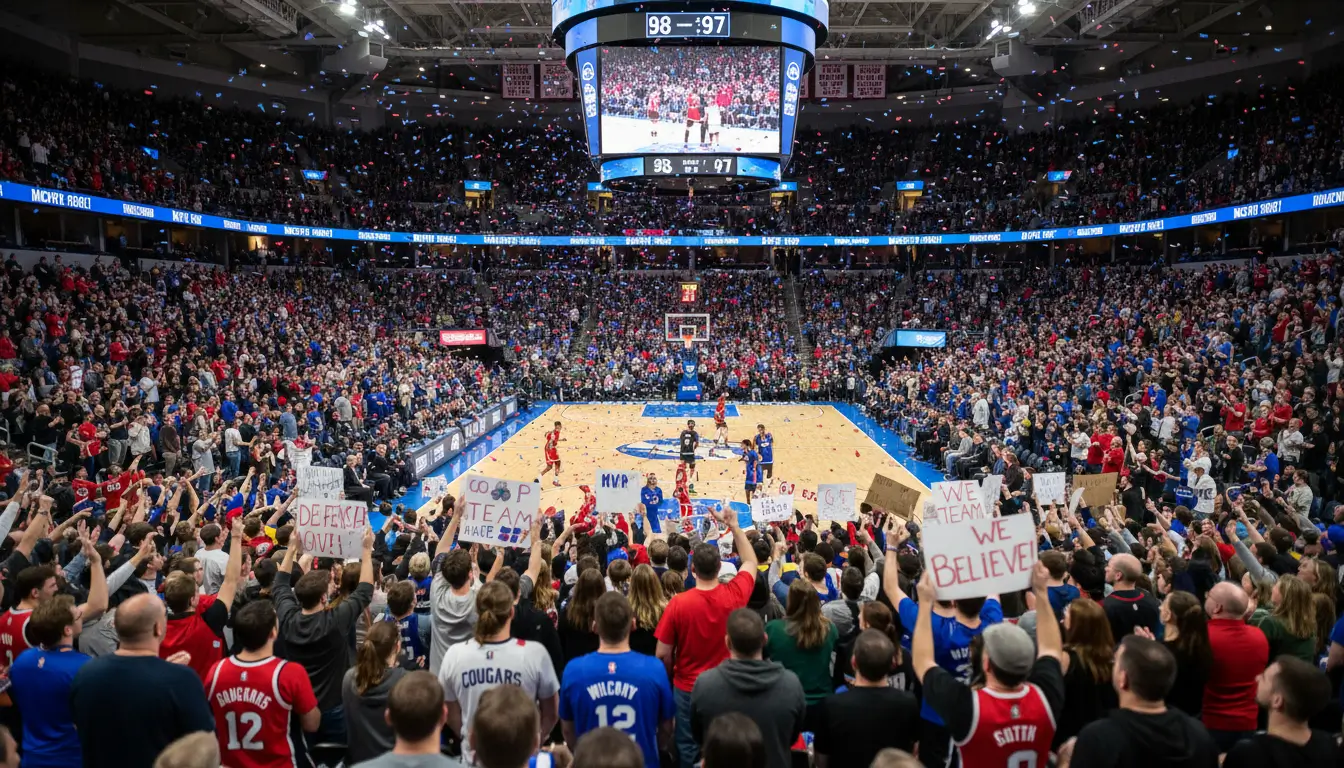
- Fan Engagement: Through advanced streaming platforms, technology has influenced how fans engage with the sport, offering multi-angle views and real-time statistics.
- Globalization Through Media: Media coverage has contributed to basketball’s popularity by making games accessible in real-time across different time zones, allowing a fan in Manila to follow a game in Chicago as it happens.
The Cultural Legacy: Children and the Future of the Sport
The globalization of basketball is best reflected in the youth programs that span the globe. Programs like Jr. The NBA provides children with the fundamental skills and values of the game, such as teamwork and respect. By focusing on the next generation, the sport ensures its longevity and cultural impact.
The rise of professional leagues outside of North America and the increasing impact of international players have proven that basketball is no longer an “American” sport, but a global one. The cultural legacy of the game is found in every schoolyard and community center where a hoop is present.
Frequently Asked Questions
How many people will play basketball around the world in 2026?
According to the most recent participation data from FIBA and the United Nations, at least 450 million people are estimated to be playing basketball worldwide. This figure includes both organized league participants and casual recreational players. Asia currently accounts for the largest share of this demographic, with approximately 200 million players, largely driven by the sport’s massive popularity in China and the Philippines.
Is Soccer or Basketball more popular globally?
Soccer remains the most popular sport in the world by total fan count, with an estimated 3.5 billion followers. However, basketball has seen a significant surge in recent years. Data from Topend Sports now places basketball as the third most popular sport by fan base (approximately 2.2 billion fans), overtaking field hockey in many global regions due to the growth of professional leagues and digital media accessibility.
What are the primary health benefits of playing basketball?
Basketball provides a high-intensity aerobic workout that significantly improves cardiovascular health. According to health summaries from the Mayo Clinic, regular participation helps lower blood pressure, improve cholesterol levels, and increase bone density. Additionally, the strategic nature of the game enhances cognitive functions such as quick decision-making and spatial awareness.
What is the origin of basketball?
Basketball was invented in December 1891 by Dr. James Naismith at Springfield College in Massachusetts. It was designed as an indoor activity to maintain student fitness during the winter. The first game was played with a soccer ball and two peach baskets, as documented by the Springfield College archives.
How many points is a free throw worth?
In all standard basketball regulations, including the NBA and FIBA, a free throw is worth one point. These uncontested shots are awarded to a player after they have been fouled by an opponent.
Why is basketball so popular in the United States?
The popularity of the sport in the U.S. is driven by its deep institutional roots in schools and high participation rates. The National Federation of State High School Associations reports that basketball is consistently the top sport for the number of high schools that sponsor teams for both boys and girls, ensuring the game remains a central part of American youth culture.
The Future of the Game: Why the Global Momentum of Basketball is Unstoppable
The enduring success of basketball is far more than a historical coincidence; it is a direct result of the sport’s intentional design and remarkable ability to adapt. What started in a modest Massachusetts gymnasium has transformed into a multibillion-dollar global powerhouse that remains deeply accessible and beneficial to participants at every level. Because the game requires nothing more than a ball and a hoop, it stands as one of the most truly democratic sports in the world today.
As we navigate through 2026 and look toward the future, the integration of advanced technology and global media continues to accelerate this expansion. The emergence of international icons combined with the instant reach of digital streaming has turned basketball into a unified, borderless community. Whether you are a casual player on a local court or a devoted follower of professional leagues, the sport provides a perfect synergy of physical wellness, social impact, and elite entertainment. With a legacy that is already firmly established, the global momentum of basketball shows no signs of slowing down.