
 By Ghulam Mustafa Khan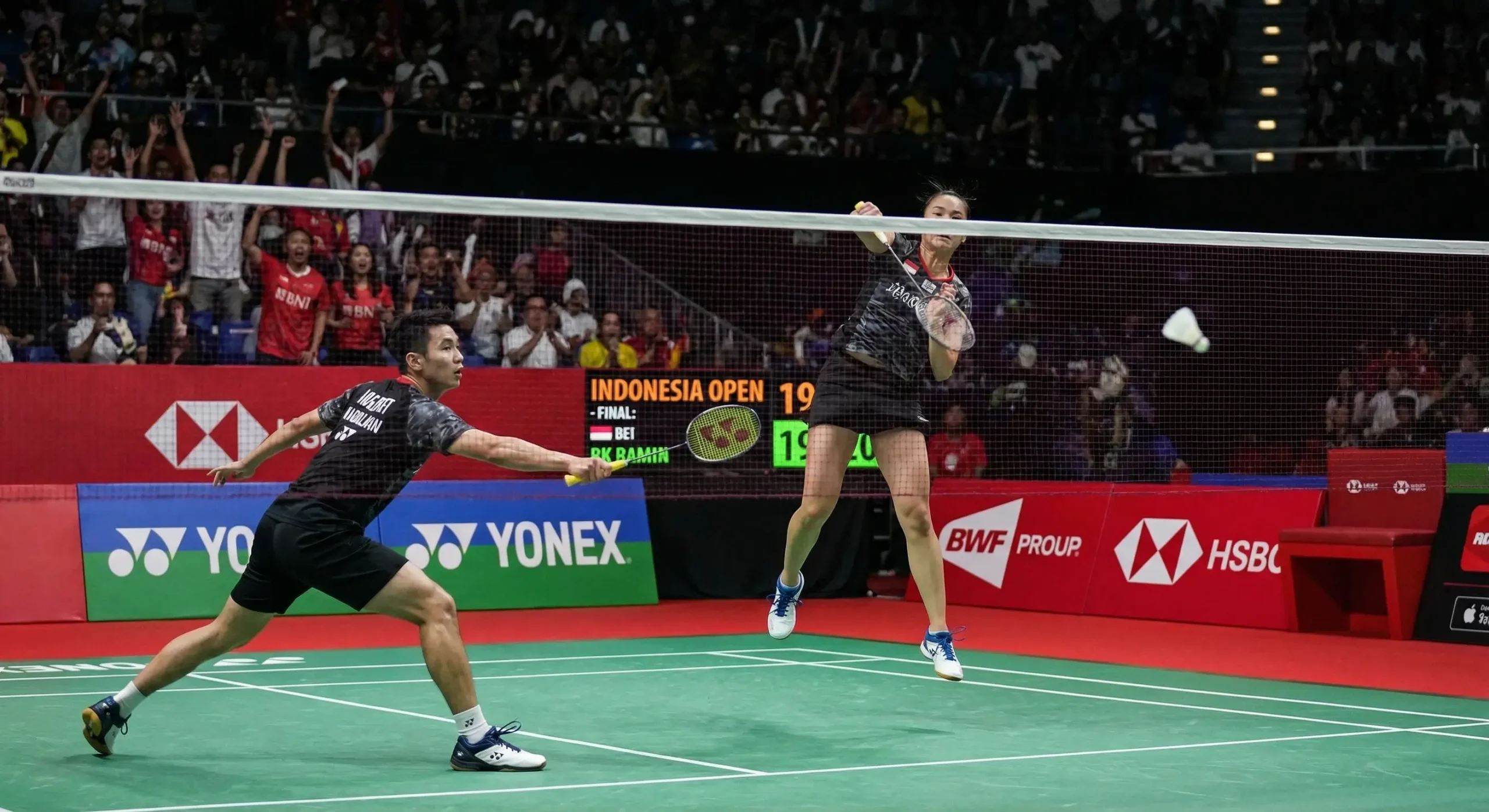
Badminton is a globally loved sport that has become a staple of recreational and professional sports culture alike. Known for its fast-paced gameplay and easy-to-learn mechanics, it’s a favorite pastime across the world. With just a shuttlecock, racquet, and net, badminton has made its mark as a fun and accessible game that anyone can play.
In this comprehensive guide, we’ll explore the history of badminton, famous figures who shaped the sport, its rules and gameplay, and why it has gained so much global appeal. We’ll also dive into some interesting facts and trivia that make badminton truly unique.
The Origins of Badminton: A Brief History and Its Evolution
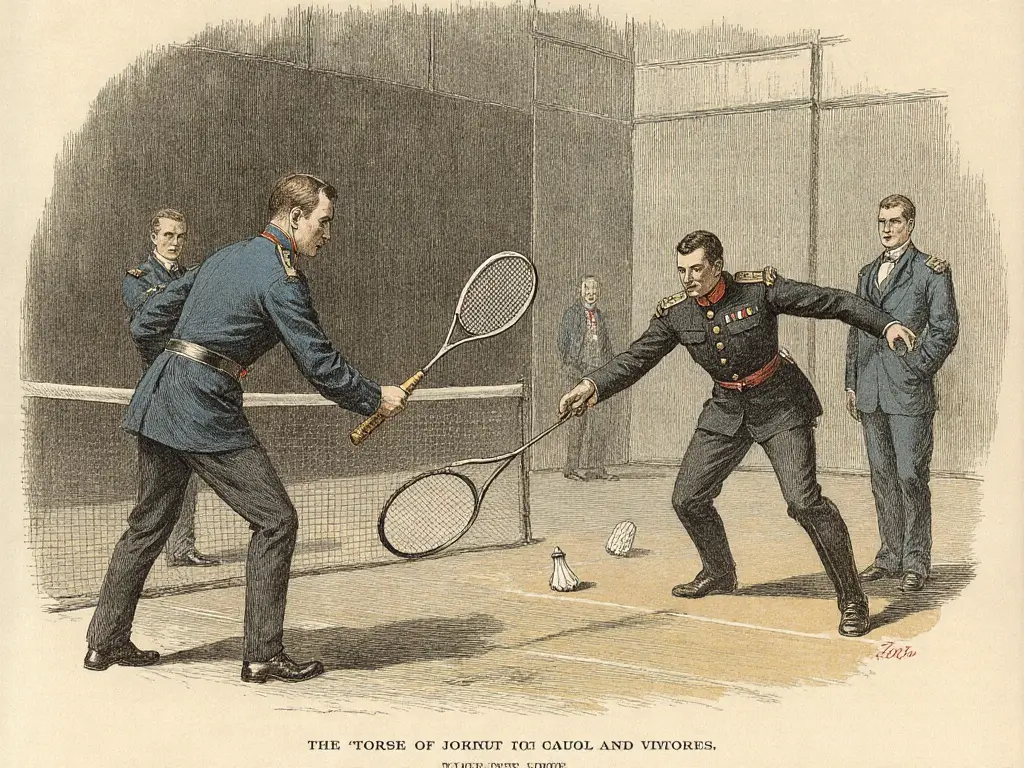
Badminton’s history traces back to ancient games, with its origins deeply rooted in the early civilizations of India. In the early 19th century, India played a game called Poona, where players hit a shuttlecock back and forth using rackets. This game quickly caught the attention of British colonists who, after experiencing it firsthand, began to introduce it to their home country.
By the 1860s, British officers stationed in India brought Poona to England, where it underwent formalization. The game became incredibly popular among the English elite, and by the 1870s, it had evolved into the modern version of badminton. In 1873, badminton was officially introduced at Badminton House in Gloucestershire, England, where it was first played as an outdoor game during social gatherings. The sport quickly took on its current name from this very venue.
In 1893, the “Bath Badminton Club,” the first official badminton club, established in Bath, England, codified the rules of the game, marking the official birth of competitive badminton. The sport grew steadily throughout Europe and into Asia, where it found its largest fanbases. By the mid-20th century, badminton began to gain more international recognition. In 1934, the World Badminton Federation (WBF) was formed, paving the way for the first World Championships in 1977.
Olympic Recognition: After years of growing popularity, badminton officially became part of the Olympic Games in 1992 during the Barcelona Olympics. It was initially introduced as a demonstration sport at the 1972 Munich Olympics before earning full medal status in 1992. This helped elevate badminton to new global heights, making it a mainstay of the Summer Olympics ever since.
For a deeper dive into the history of sports and their inclusion in the Olympics, you can explore the International Olympic Committee’s history page.
If Interested in learning more about the benefits of court sports and how they can improve your health? Check out our dedicated Court Sports blog for a comprehensive look at different types of court sports and their age-based health benefits.
Key Badminton Players and Champions Who Shaped the Sport’s History
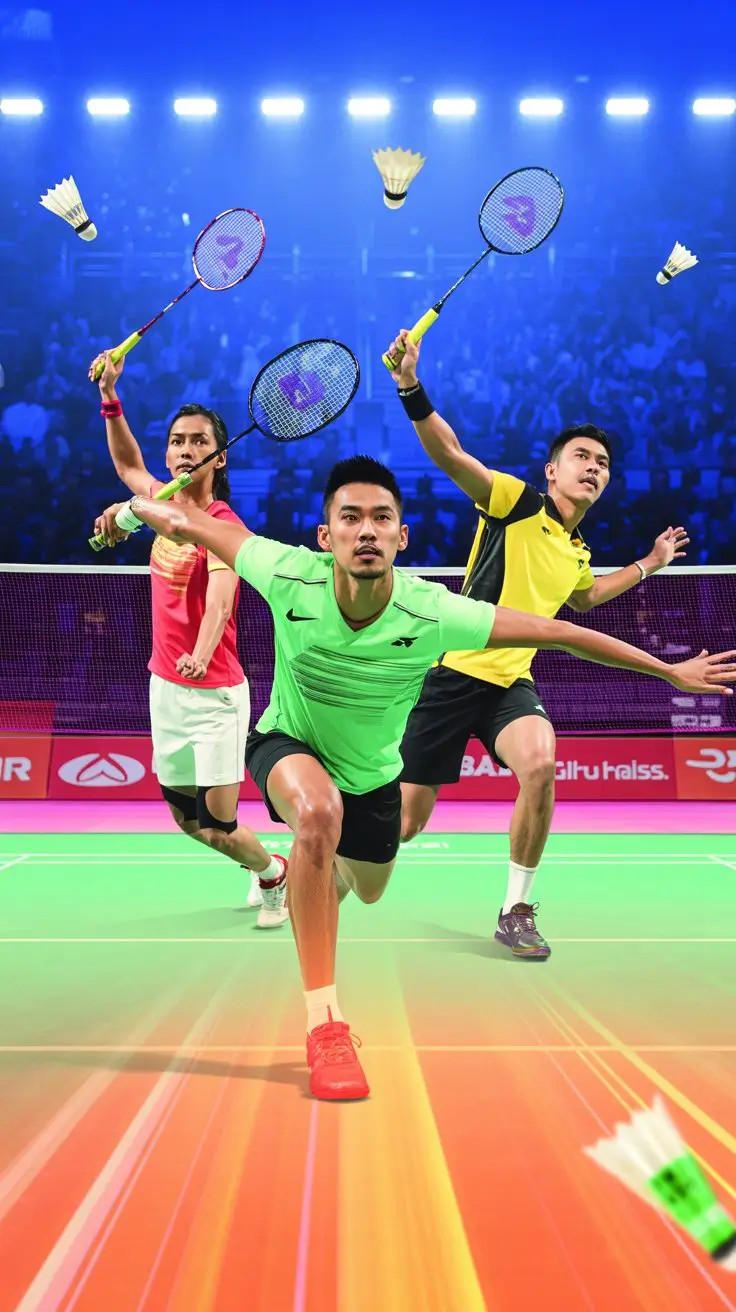
The history of badminton is not only defined by its evolution as a sport but also by the incredible figures who helped shape it into what it is today. Let’s take a look at some of the legendary players who made a huge impact on badminton.
- Sir George Thomas: Often called the father of badminton, Sir George Thomas was instrumental in shaping the early days of the sport. He helped standardize the rules and was a driving force in the establishment of the Badminton Association of England in 1893. His contribution to the formalization of the game is invaluable, and he remains a foundational figure in badminton history.
- Lin Dan (China): Known as Super Dan, Lin Dan is often regarded as the greatest badminton player of all time. He has won two Olympic gold medals (2008 and 2012), five World Championship titles, and many other prestigious tournaments. Lin Dan’s rivalry with Lee Chong Wei of Malaysia is one of the most famous rivalries in the sport, with Lin Dan known for his fierce competitiveness and impeccable technique. To read more about his career, you can visit Lin Dan’s official profile on the BWF website.
- P.V. Sindhu (India): P.V. Sindhu is one of the brightest stars in modern badminton. With her Olympic silver medal in 2016 and multiple World Championship titles, Sindhu has played a vital role in elevating badminton in India. Her powerful smashes and remarkable agility have made her a favorite among fans and an inspiration for aspiring players, especially women in sports. Learn more about P.V. Sindhu’s remarkable career in this article from the BBC.
- Lee Chong Wei (Malaysia): Lee Chong Wei is one of the most iconic figures in the sport, having been ranked world No. 1 for a total of 199 weeks. Known for his speed and agility, Lee’s rivalry with Lin Dan is legendary, and he has inspired millions with his graceful play and mental fortitude. For an insightful look at Lee’s accomplishments, check out his profile on the Badminton World Federation (BWF).
- Taufik Hidayat (Indonesia): Taufik Hidayat is another giant in the sport, having won the 2004 Olympic gold medal and several All-England titles. Hidayat’s talent in both singles and doubles made him a versatile and dominant figure in badminton during his career.
These players are not only champions in the sport but have become icons who have shaped badminton’s international landscape. Their hard work and achievements continue to inspire the next generation of players.
Understanding Badminton: Rules, Scoring System, and Gameplay
Badminton is a fast-paced, exciting game that can be enjoyed both casually and professionally. The rules are relatively simple, making it easy for beginners to pick up, yet the gameplay remains challenging even for experienced players.
Basic Rules:
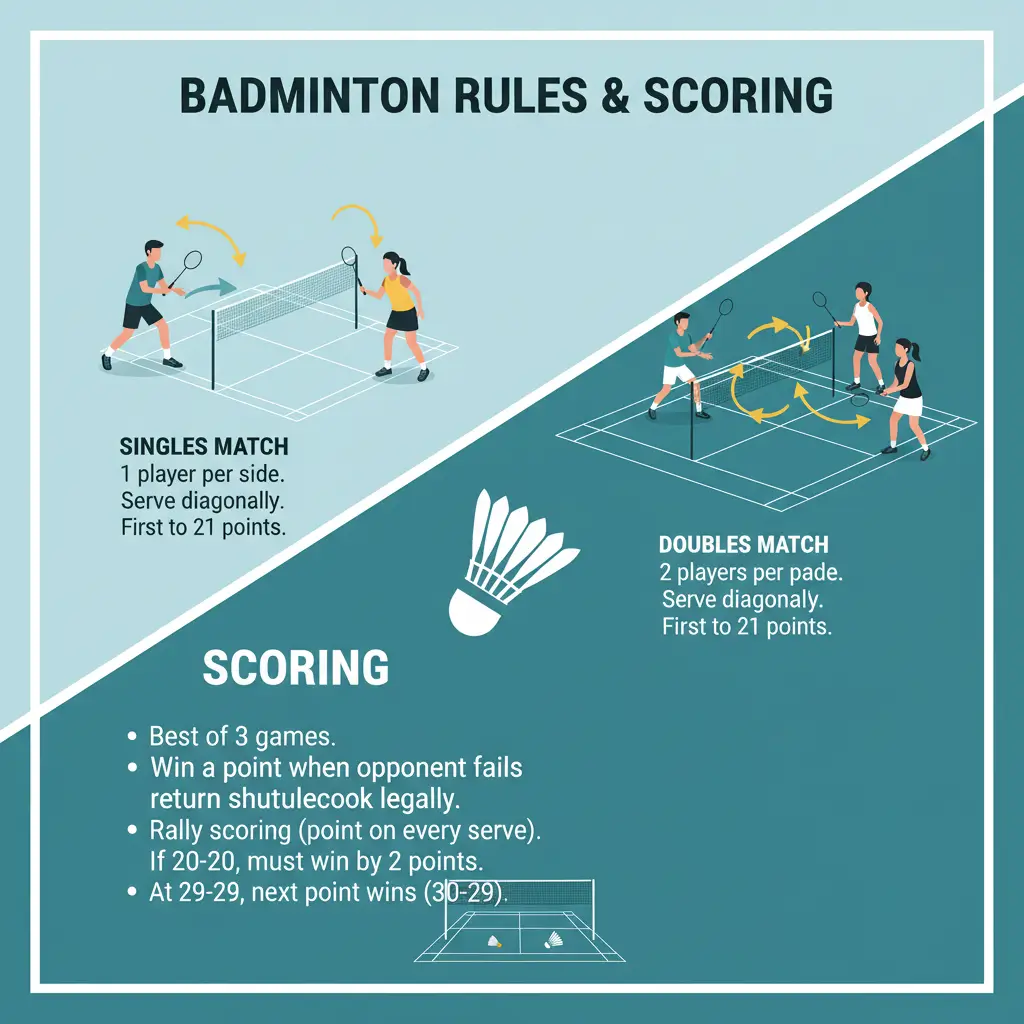
- Singles and Doubles: Badminton can be played as singles (one player on each side) or doubles (two players on each side). The game is played with a shuttlecock, which must be hit over a net.
- The Serve: Players take turns serving. The server must serve diagonally to the opposite side of the court. In doubles, each player serves in turn.
- Rally Scoring: The game uses a rally point system, meaning that every rally results in a point, regardless of who served. The first player or team to reach 21 points wins the game, though matches are typically played best of three games.
Scoring System: Initially, badminton used a system where only the server could score a point, but the current system allows both players to score points in every rally, making the game faster-paced and more competitive. Matches are typically played to 21 points, and a game must be won by a two-point margin.
Shuttlecock: The shuttlecock is a unique element of badminton. Traditionally made of feathers, it is designed to fly with high aerodynamic properties, creating a slow, graceful descent. Synthetic versions are also used, particularly in recreational play. The shuttlecock’s flight is central to the strategy of the game, as players must adjust their positioning and timing based on its trajectory.
For more information on the rules of badminton, check out the official BWF Rules and Regulations here.
Which Countries Play Badminton the Most? Top Global Leaders in the Sport
Badminton has enjoyed immense popularity in many parts of the world, particularly in Asia. Countries such as China, Indonesia, India, and Denmark have long been badminton powerhouses. Let’s take a look at how these countries have shaped the sport.
- China: China is considered the global leader in badminton. The country has produced some of the best players in history, including Lin Dan and Zhang Ning. The Chinese Badminton Association has nurtured top-tier athletes through a well-developed grassroots system, ensuring that China remains dominant on the international stage. For more about badminton in China, visit this page from the Chinese Badminton Association.
- Indonesia: Badminton is a national sport in Indonesia. The country has produced numerous legendary players, such as Taufik Hidayat and Susi Susanti. The passion for the sport runs deep, and Indonesia has consistently performed well in international tournaments. Learn more about Indonesia’s badminton history from The Badminton Indonesia website.
- India: In recent years, India has seen a surge in badminton’s popularity, largely due to the success of players like P.V. Sindhu and Saina Nehwal. The country has a growing infrastructure for the sport, and the rise of badminton in India has inspired a new generation of players. You can read more about India’s badminton growth on the Badminton Association of India’s site.
Badminton’s inclusion in the Olympics in 1992 greatly increased its global popularity. Since then, the sport has become a major event in the Olympic Games, with countries from around the world competing for medals.
If you’re interested in the cost of setting up a court for sports, whether it is a badminton court or any other, our guide on Sport Court Costs in 2026: Residential and Commercial Guide can help you understand the expenses involved in building a badminton court, whether for residential or commercial use.
Fun Facts and Lesser-Known Trivia About Badminton
Here are some fun facts about badminton that might surprise you:
- The Fastest Smash: The fastest recorded badminton smash was 332 km/h (206 mph), set by China’s Fu Haifeng. This makes badminton one of the fastest racquet sports. Check out a video of the world’s fastest badminton smash here.
- Shuttlecock’s Unique Flight: The shuttlecock’s flight is distinctive. Unlike tennis or ping pong balls, it decelerates quickly due to its feather design, making it difficult to predict in mid-air. This adds an element of surprise to the game.
- Origins in England: Badminton was first introduced to England by British military officers returning from India in the 19th century. The game was initially played as a social activity before being formalized into its current form.
Coach’s Corner: From the Court
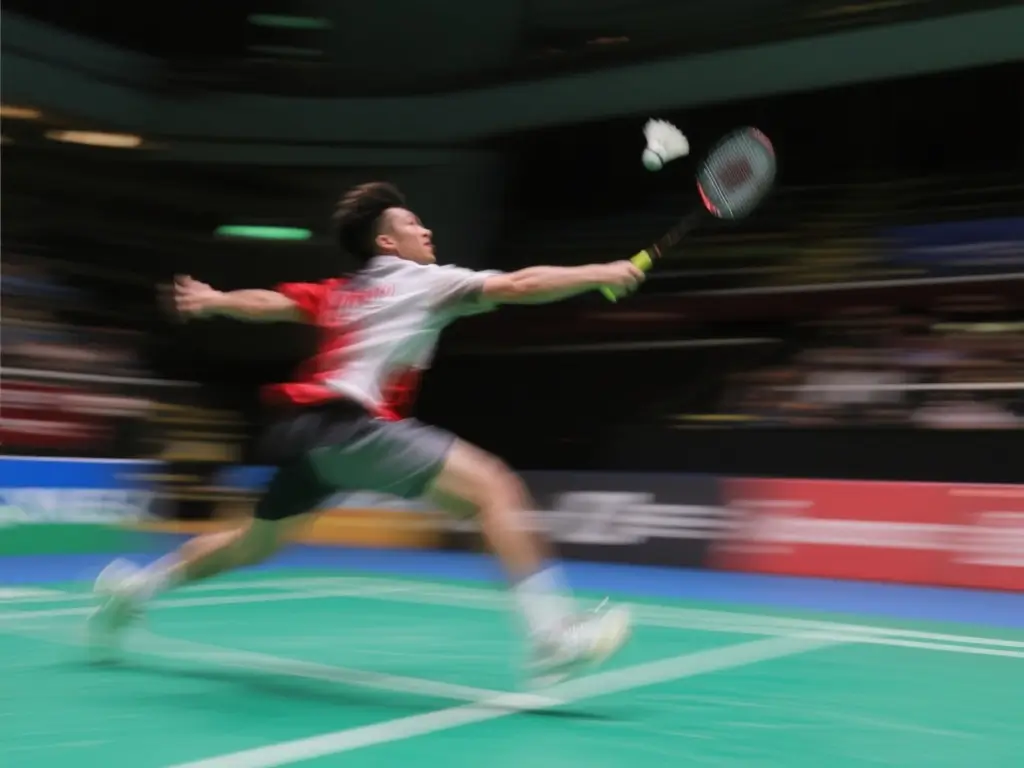
“In my coaching sessions, the biggest hurdle for beginners is ‘Stiff Arm Syndrome’—a habit of swinging the racket like a 19th-century lawn player. My Tip: Modern badminton has evolved into a game of the wrist and fingers rather than the shoulder; shorten your backswing to match the high-speed 2026 era, allowing you to react to fast-paced rallies without sacrificing your recovery position or joint health.”
Conclusion
Badminton’s long and rich history, combined with its accessibility and exciting gameplay, makes it a global favorite. From its ancient origins in India to its rise as an Olympic sport, badminton continues to captivate players and fans around the world. Whether you’re a casual player or aspiring to be the next badminton champion, there’s something for everyone in this dynamic sport.