
 By Ghulam Mustafa Khan
Squash is a fast-paced, exciting racquet sport played indoors on a four-walled court. Played either as singles (two players) or doubles (four players), the objective of squash is simple yet challenging: hit a rubber ball against the front wall, aiming to land it in the opponent’s half of the court, all while adhering to a set of specific rules. The game demands both physical endurance and mental agility, making it one of the most well-rounded sports for fitness and strategy.
In this comprehensive guide, we will take you through everything you need to know about squash, from its history and rules to its health benefits and essential equipment. Whether you’re a beginner looking to try something new or a seasoned player wanting to sharpen your skills, this blog will offer valuable insights into the sport.
What is Squash?
Squash is a competitive racquet sport that combines strategy, speed, and fitness. Played indoors, it typically takes place on a four-walled court, and players take turns hitting a small rubber ball against the front wall. The primary objective is to make the ball land in the opponent’s half of the court in such a way that they are unable to return it within the rules of the game.
Squash as an Individual and Competitive Sport
Squash can be played as an individual game (singles) or with two players on each side (doubles). The sport is a direct competition between players and demands a high level of mental strategy. Players must plan their next moves, predict what their opponent will do, and adjust their tactics as the game progresses. The combination of quick reflexes, agility, endurance, and mental sharpness makes squash stand out from other racquet sports.
Popularity of Squash Worldwide
Though squash may not be as mainstream as tennis in the U.S., it enjoys widespread popularity in various parts of the world. Countries such as Egypt, Pakistan, the UK, Australia, and the United States have large and active squash communities. In the U.S., squash is most commonly played in urban areas, with cities like New York, Boston, and Chicago hosting numerous clubs and recreational facilities.
How to Play and Manner of Play
The Objective of Squash
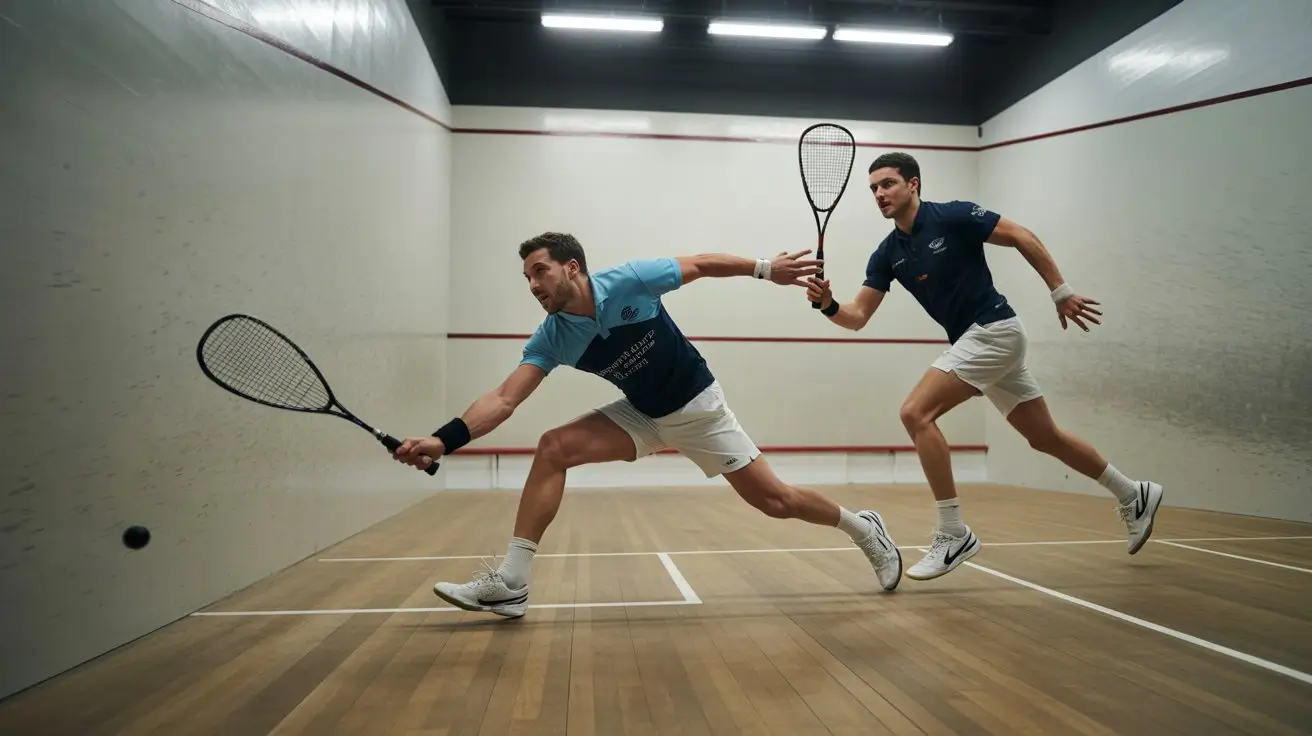
Squash is played on a rectangular court with four walls. The game begins with a serve from one player, who attempts to hit the ball against the front wall in such a way that it lands in the opponent’s half of the court. Players take turns hitting the ball, trying to return it within the rules and placing it in a spot that is difficult for their opponent to reach.
Rallies
A rally is a sequence of exchanges between two players, each hitting the ball until one of them fails to return it or commits a fault. Rallies are typically fast-paced, requiring players to move quickly and react to the ball’s trajectory. The goal of a rally is to force the opponent into making a mistake, either by hitting the ball out of bounds, failing to return it within the court’s boundaries, or hitting it into the tin (the bottom part of the front wall).
Precision, Speed, and Strategy
Squash requires a combination of speed, agility, and precise shot placement. Players must anticipate their opponent’s movements while trying to control the pace of the game by choosing the right types of shots. Some common types of shots include:
- Drive: A fast and direct shot aimed at the back corners of the court.
- Drop Shot: A soft, controlled shot aimed at the front wall, forcing the opponent to rush forward.
- Lob: A high, arcing shot designed to push the opponent to the back of the court.
- Volley: A shot that is hit before the ball touches the floor, which is often used for intercepting quick returns.
These shots, combined with quick reflexes and effective court positioning, are crucial for winning rallies.
Rules of Squash
Understanding the official rules of squash is crucial for players, whether you’re a beginner or more experienced. Below are some of the key aspects of the game.
The Serve
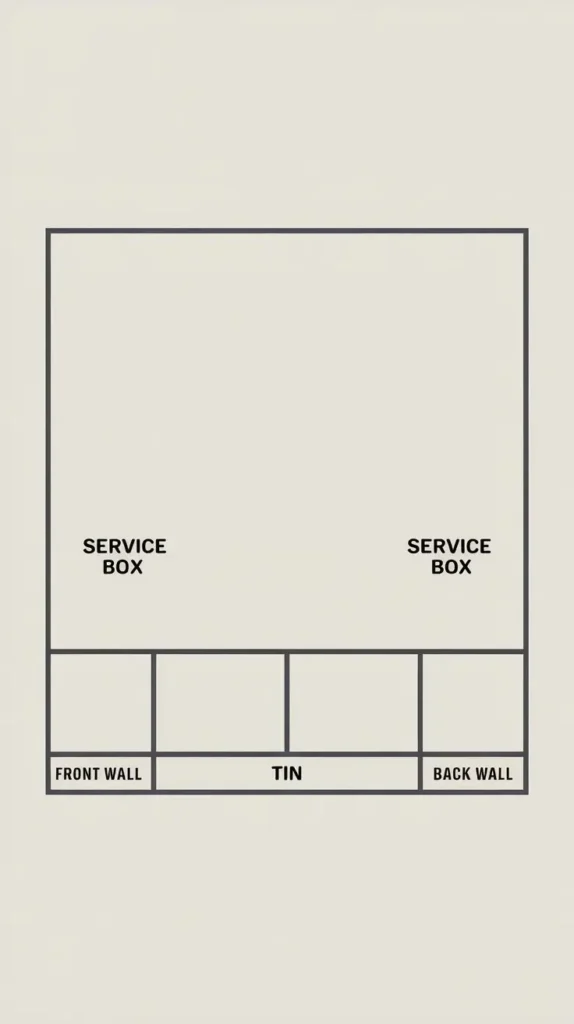
- Where and How to Serve: The server must serve the ball from one of the two service boxes, and the ball must be served to the opposite service box in the opponent’s half of the court. The ball must also hit the front wall above a certain line before landing within the service area.
- Who Serves First: The server changes after every point, with the winner of the previous rally getting the next serve. The server alternates between the two service boxes after each point.
The Rally
A rally begins after the serve, and players continue hitting the ball until one fails to return it. The rally can be won by:
- Making the ball land in the opponent’s court in such a way that they cannot return it.
- Forcing the opponent into a mistake, such as hitting the ball out of bounds or into the tin.
Faults and Lets
- Foot Fault: A serve is considered a fault if the server steps outside the service box or doesn’t hit the ball above the service line.
- Let: A let is a situation where the rally is interrupted due to a hindrance or interference, and the rally is replayed. A let is often called if players get in each other’s way while attempting to return the ball.
- Stroke: A stroke is awarded if one player causes interference that prevents the other player from making a fair shot. The player who was obstructed is awarded the point.
Court Conduct and Sportsmanship
Fair play and sportsmanship are fundamental to squash. Players are expected to respect their opponents’ space and ensure that there is no unnecessary interference during the game. The sport places a strong emphasis on honesty, with players responsible for calling their own shots and resolving any disputes fairly and respectfully. If there is any uncertainty, a referee or third party can step in to make the final decision. For more details, check the official rules.
Scoring System of Squash
In squash, there are two primary scoring systems: traditional hand-in-hand-out scoring (also known as “old scoring”) and the more modern point-a-rally system.
Traditional Hand-in-Hand-Out Scoring
In traditional scoring, only the server has the opportunity to score a point. If the receiver wins the rally, the server loses the serve, but no points are awarded to the receiver. This system was widely used in squash before the introduction of point-a-rally scoring.
- Games: Typically played to 11 or 15 points.
- Best of 3 or 5 Games: Matches can be played in a best-of-three or best-of-five format, depending on the tournament or club rules.
Point-a-Rally Scoring
Point-a-rally is the more common and modern scoring system used in professional squash. Under this system, both players can score a point regardless of who served. After each rally, one player is awarded a point, and the serve switches. Point-a-rally is faster and more exciting, as it ensures that every rally counts toward the score.
- Games: Played to 11 points, with the winner needing a two-point lead.
- Best of 3 or 5 Games: Matches are often played in this format, providing a clear winner after each game series.
This scoring system has made squash more thrilling for spectators, as points are awarded more frequently, keeping the action fast and dynamic.
Squash Balls
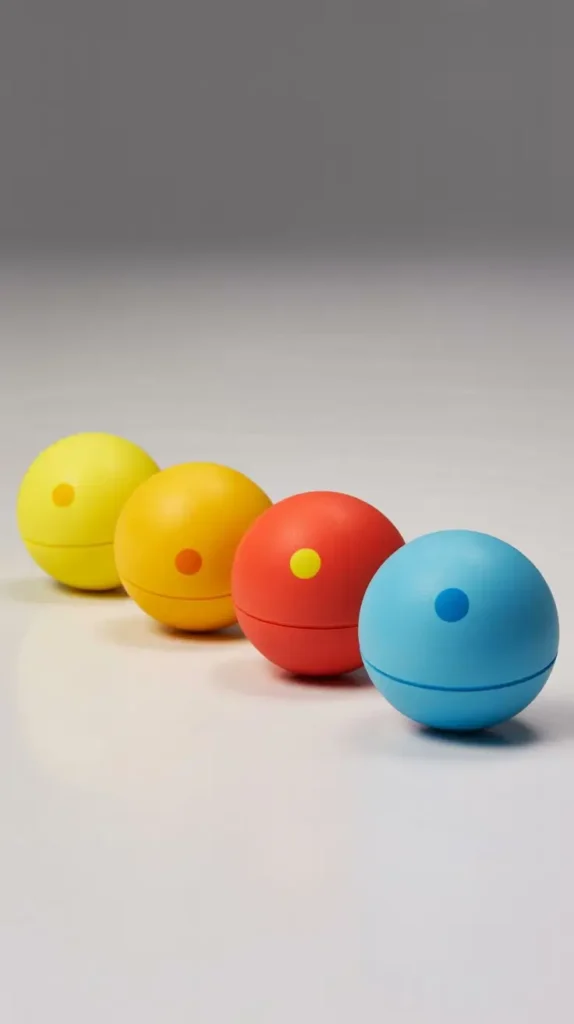
Squash balls come in different types, each suited for various skill levels and playing conditions. The ball’s color indicates its speed and suitability for specific types of play.
Types of Squash Balls
- Double Yellow Dot: The fastest ball, used primarily by professional players. This ball has a lower bounce and requires a higher level of skill to control.
- Yellow Dot: Slightly slower than the double yellow dot, used by advanced players.
- Red Dot: A slower ball ideal for intermediate players. It provides a higher bounce, making it easier to return and play.
- Blue Dot: The slowest ball, perfect for beginners. It has the highest bounce and allows players more time to react and improve their technique.
Choosing the right ball is essential for a great squash experience. Beginners should start with a blue dot or red dot to develop their skills, while experienced players can use the yellow dot or double yellow dot for more competitive play.
Coach’s Corner: From the Court
“I often see beginners getting frustrated because their ‘Double Yellow Dot’ ball feels like a dead rock that won’t bounce, not realizing that professional squash balls require 5–10 minutes of hard hitting just to reach their optimal playing temperature.
My Tip: If you’re just starting out, don’t let a ‘cold’ ball ruin your rhythm; use a Blue or Red dot ball to ensure a consistent bounce from the first serve, which allows you to focus on the high-intensity cardio movements that make squash such an elite workout.”

Squash Goggles/Eyewear
Squash is an intense sport, and players often find themselves in proximity to each other and the fast-moving ball. For safety reasons, protective eyewear is essential, particularly for junior players.
Why Squash Goggles Are Important
Squash goggles or eyewear are designed to protect your eyes from potential injuries caused by the ball or racquet. Eye protection is especially important for junior players, as the risk of eye injuries is higher at a young age. In many regions, squash clubs and organizations mandate eyewear for junior players.
Types of Squash Eyewear
- Impact-Resistant Lenses: These lenses are designed to withstand impacts from fast-moving squash balls.
- Anti-Fog Coating: This feature helps prevent the lenses from fogging up during intense play.
- Comfortable Fit: Squash goggles should fit snugly and comfortably, offering both safety and visibility.
Squash-specific eyewear is widely available from brands like Tecnifibre and Eye Shield, ensuring that players of all levels can find the right protection.
Squash Facts and Myths
Several common myths about squash can prevent people from trying the sport. Let’s debunk some of these myths and reveal the facts behind them.
Squash is Too Hard for Beginners
- Fact: While squash can be challenging, it is accessible for players at all skill levels. Beginners can start with a slower ball (like the blue dot) to make the game easier to handle. With practice, players can gradually improve their skills, and even beginners can enjoy fast-paced rallies and competitive play.
Squash is Just a Workout for Athletes
- Fact: Squash is for everyone. Whether you’re an elite athlete or someone just looking to stay active, squash provides a fun and effective way to get in shape. Many people start playing squash for fitness and later develop an appreciation for the strategic elements of the game.
Squash Isn’t Great for Mental Health
- Fact: In fact, squash has significant mental health benefits. The sport’s high intensity helps release endorphins, which improve mood and reduce stress. The focus required in squash can serve as an escape, making it an excellent choice for stress relief.
Squash Isn’t as Popular as Other Sports
- Fact: While squash may not be as mainstream as tennis or basketball in the U.S., it has a passionate following worldwide, particularly in countries like Egypt, the UK, and Pakistan. The sport is recognized by the World Health Organization (WHO) as one of the healthiest sports, and its popularity is growing with new initiatives and more accessible facilities.
Squash Doesn’t Offer Enough Cardiovascular Benefits
- Fact: Squash is one of the best cardiovascular workouts available. It’s an excellent way to improve heart health, boost stamina, and burn calories. Professional players can burn over 1,000 calories in a 60-minute match, making it one of the most effective sports for fitness.
History of Squash
Squash has a rich and fascinating history that spans several centuries. Let’s take a deeper look at its evolution.
Before Squash: The Origins of Racquet Sports
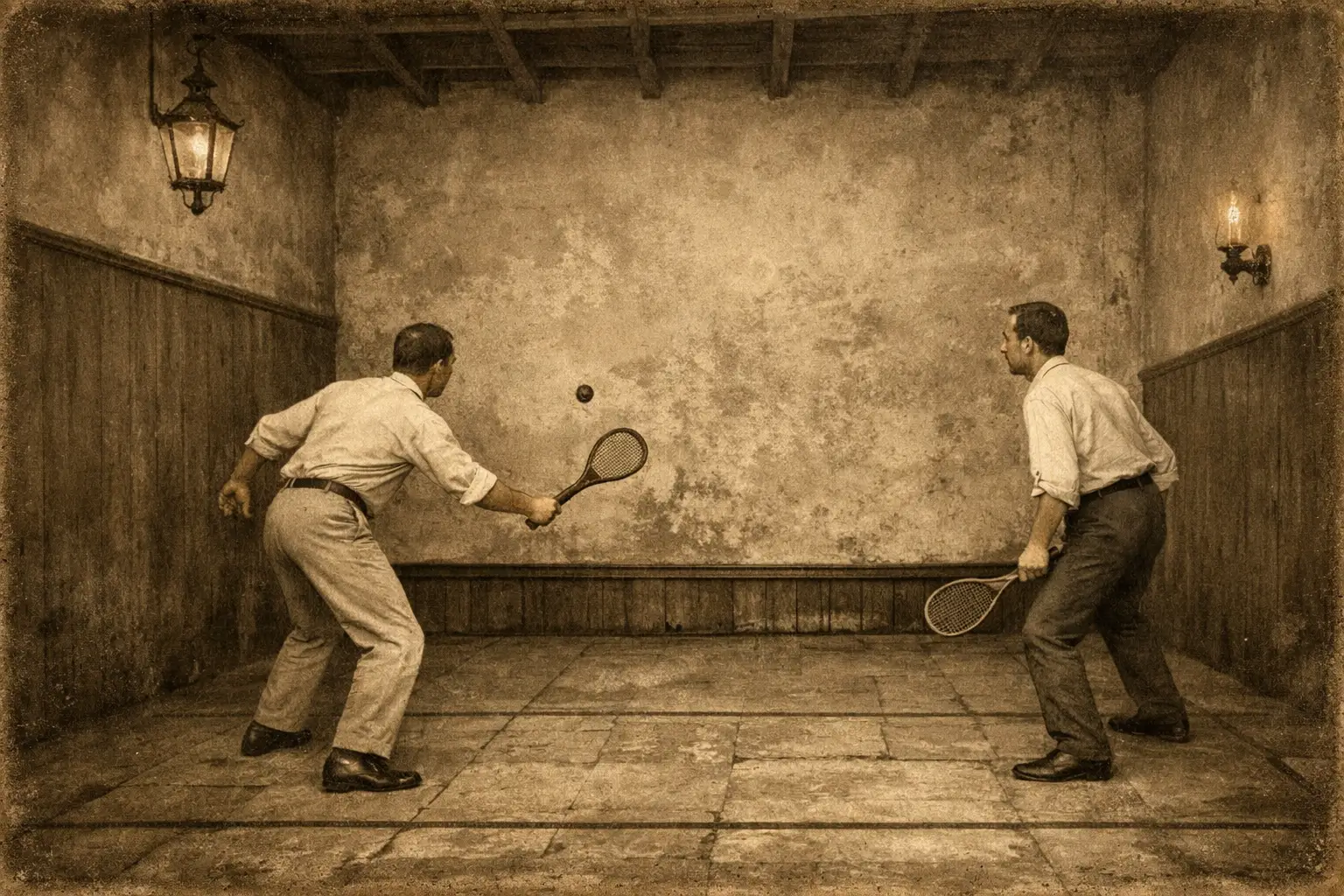
The roots of squash can be traced to medieval racquet games played in Europe, particularly in England. Games like real tennis (also known as lawn tennis) were played in walled courts and were the precursor to modern racquet sports. Players hit a ball against a wall, trying to land it in their opponent’s court, which bears a strong resemblance to squash.
Harrow, England: The Birth of Modern Squash
Squash as we know it today began to take shape at Harrow School in London in the early 19th century. Students at Harrow began playing a version of rackets, a game played with a rubber ball in an enclosed court. The game was modified, and students began calling it “squash” because of the “squashing” sound the ball made when it hit the wall.
By the mid-1800s, squash had evolved into a formal sport, with the introduction of rules and official courts. The first official squash court was built in 1864 at Harrow School.
Spread to the United States and Global Popularity
Squash was introduced to the United States in the late 19th century. The sport quickly gained popularity in cities like New York, Philadelphia, and Boston, where private clubs and universities began to build courts. The first official squash competition in the U.S. took place in 1904.
Dominance of Squash in Egypt and Pakistan
In the mid-20th century, Egypt and Pakistan became dominant forces in squash. Players like Jahangir Khan and Jansher Khan from Pakistan were key figures in establishing the sport’s global prestige. In Egypt, players like Mohamed El Shorbagy and Raneem El Welily have continued the tradition of excellence, and the country is still a powerhouse in international squash.
Post-War Boom
After World War II, the sport saw significant growth in both the U.S. and Europe. New squash tournaments were created, and the sport’s global appeal increased. The introduction of professional squash tournaments, including the World Squash Championships, helped elevate the sport to new heights.
The Resurgence of Squash in the 21st Century
In recent years, squash has seen a resurgence thanks to improved equipment, better training methods, and an increase in global accessibility. With digital streaming platforms broadcasting squash tournaments worldwide, more people are discovering the sport. Organizations like the World Squash Federation are working to make squash more accessible to players of all ages and backgrounds.
If you want to grab more knowledge about similar court sports like badminton, including its history, origins, rules, famous figures, and fun facts, we have a detailed article on the History of Badminton that you can read if you love gathering knowledge.
Equipment for Squash
To play squash effectively, you need the right equipment. While squash is relatively simple in terms of the gear required, it’s important to select the right items for your skill level and style of play.
Racquets
Squash racquets come in a variety of types, with differences in weight, balance, and material. The weight of the racquet can affect how much power and control you have over your shots.
- Lightweight Racquets: These racquets are often preferred by beginners and intermediate players because they are easier to maneuver and react quickly with. Lightweight racquets offer better control and less strain on the wrist and elbow.
- Heavy Racquets: Professional and advanced players may prefer heavier racquets, as they offer more power and stability. However, they require more strength and technique to control.
Rackets are typically made from materials such as graphite, carbon fiber, or composite materials, with each material offering a different balance of power and control.
Shoes
Squash-specific shoes are essential for ensuring both safety and performance on the court. Squash shoes feature non-marking soles, which prevent damage to the court surface and provide optimal grip. These shoes are designed to give players the traction they need to move quickly in all directions without slipping. Avoid wearing regular sneakers, as they can cause you to lose traction and may damage the court.
Clothing
The right attire can enhance your comfort and performance on the squash court. Look for breathable, moisture-wicking fabrics to keep you cool during intense rallies. Many players opt for shorts, t-shirts, and socks made from materials like polyester or nylon, which help wick away sweat and allow for maximum mobility.
For high-quality squash gear, you can check online stores like Squash Warehouse for racquets, shoes, and clothing.
Squash Court
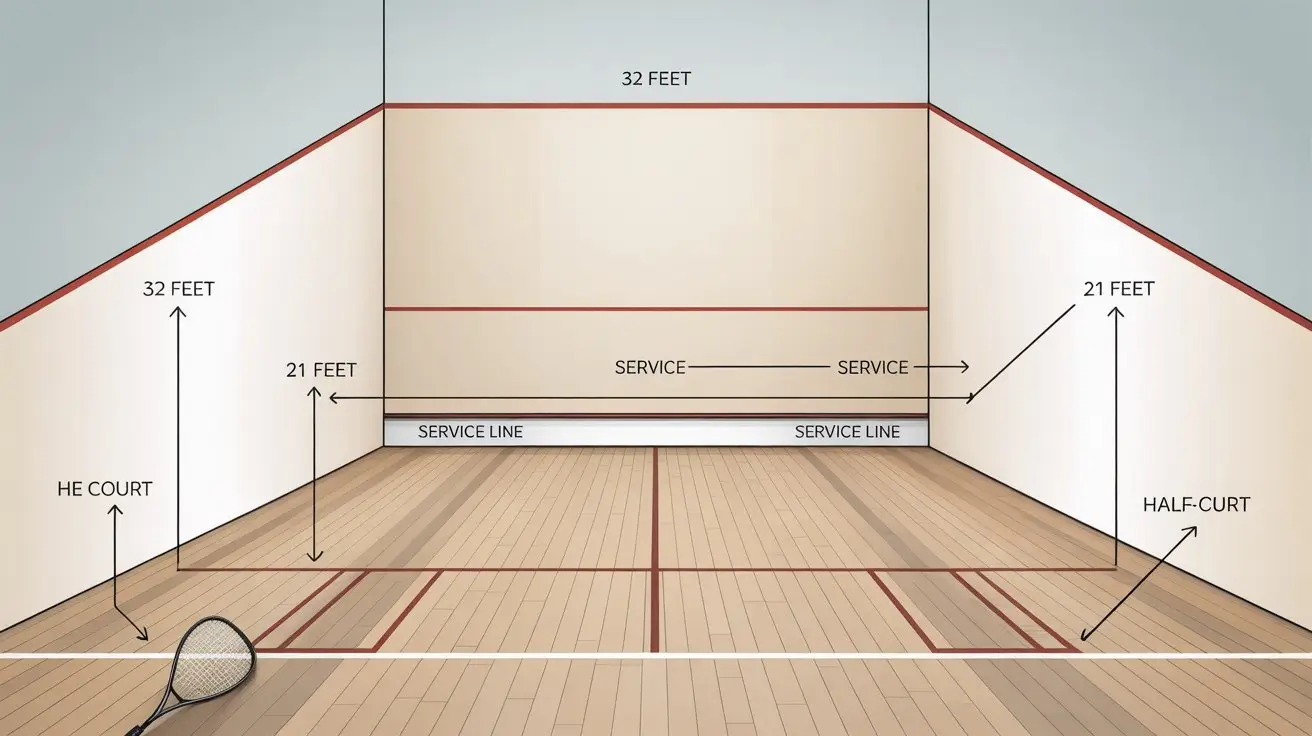
Squash courts are typically rectangular and enclosed, with four walls. The layout and dimensions of a squash court are standardized in professional play, though there are slight differences between singles and doubles courts.
Dimensions of a Standard Squash Court
- Length: 32 feet
- Width: 21 feet (for singles); doubles courts are slightly wider
- Height: 15 feet
The front wall has a service line and a tin (the bottom part of the front wall). The service boxes are located near the back corners of the court, and the players must serve from these areas.
Differences Between Singles and Doubles Courts
While the singles court has a width of 21 feet, the doubles court is wider, allowing space for two players per side. In doubles squash, players must coordinate their movements and communicate effectively to avoid collisions and cover the entire court.
If you’re interested in building squash courts for your residential or commercial space, or if you’re considering other sports courts, we have a detailed guide on court construction and pricing that will help you understand the process and how you can achieve your court sports goals.
Interference and Obstruction
Interference is a common issue in squash due to the small court and quick movements of the players. Here’s a breakdown of how interference and obstruction are handled in the sport.
When Is Interference Allowed?
Players are generally allowed to interfere with their opponent’s shot if they’re blocking their opponent’s path or movement. The most common situations of interference occur when:
- A player is in the direct line of their opponent’s shot.
- A player is moving into their opponent’s space as they take a shot.
In these situations, the referee may call a let (a replay of the rally) or, if the interference was particularly obstructive, a stroke (which results in a point for the player who was interfered with).
Health Benefits of Squash
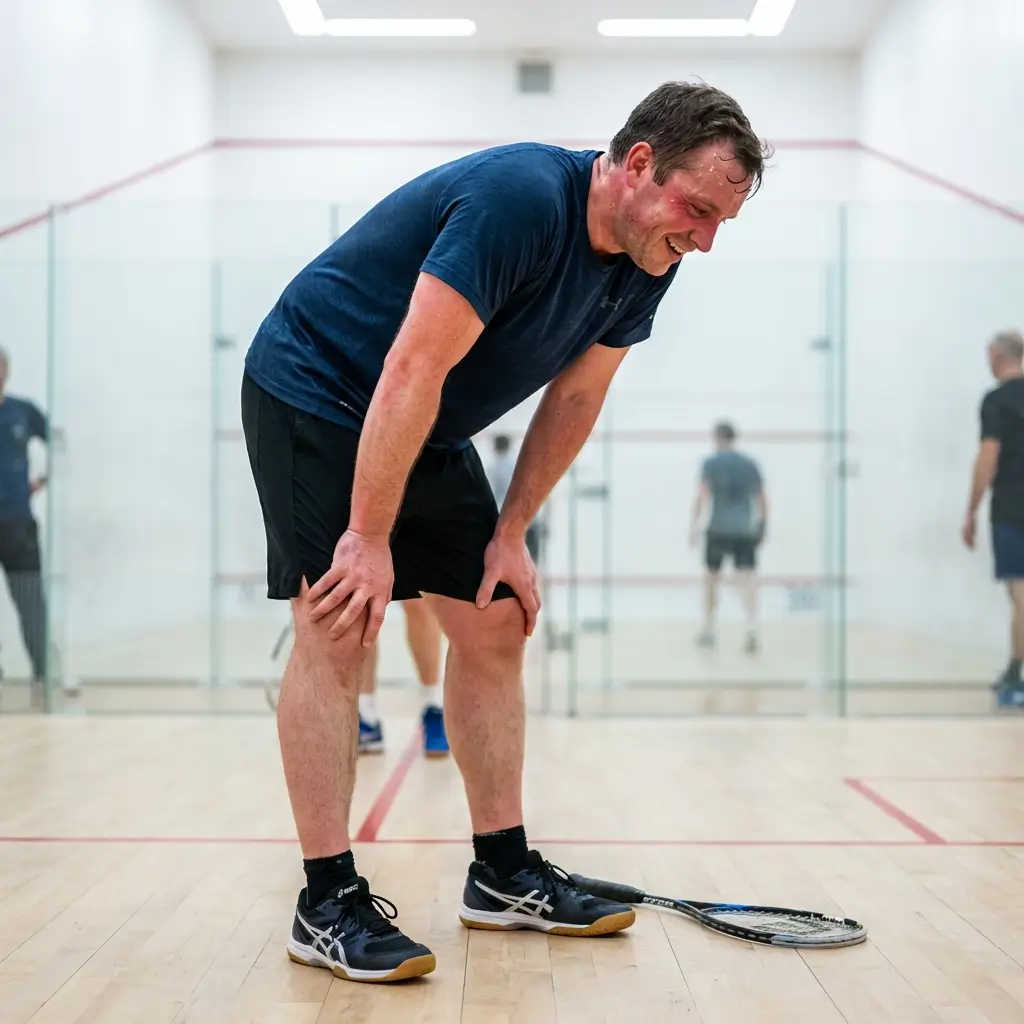
Squash isn’t just great for fitness; it also offers numerous health benefits, both physical and mental. Here’s a look at some of the key health advantages of playing squash:
Cardiovascular Fitness
Squash provides an excellent cardiovascular workout, as the fast-paced nature of the sport keeps the heart rate elevated throughout the game. Regular squash play can improve heart health and endurance.
Weight Loss and Calorie Burning
Squash is a high-intensity sport, making it effective for burning calories. A typical squash session can burn anywhere from 500 to 1,000 calories per hour, depending on the intensity of the game.
Improved Agility and Hand-Eye Coordination
The sport demands quick reflexes and excellent coordination. Playing squash regularly improves agility, hand-eye coordination, and reaction time.
Mental Health Benefits
Squash is not just a physical workout; it’s also a great way to relieve stress and improve mental well-being. The focus required during matches helps take your mind off daily pressures, and the physical exertion releases endorphins that improve mood.
If you’re interested in learning more about why squash is ideal for adults with strong cardio endurance, its positive impact on cardiovascular health, and the best age groups for the sport, be sure to check out our guide on court sports and their health benefits. In this guide, we dive into squash along with other popular racquet sports.
For further insights into the health benefits of squash, refer to studies published on PubMed and other trusted health resources.
Players’ Records and Rankings of Squash
The history of squash is filled with legendary players who have left their mark on the sport. Some of the most famous players include Jahangir Khan, Jansher Khan, and Mohamed El Shorbagy, all of whom have dominated the sport over the years.
PSA Rankings
The Professional Squash Association (PSA) maintains the official player rankings, which are determined by points earned through tournament performances. Players like Ramy Ashour, Nick Matthew, and Gregory Gaultier have all been top-ranked in recent years.
Notable Records
- Jahangir Khan holds the record for the longest unbeaten streak in squash, having gone 555 matches without a loss between 1981 and 1986.
- Mohamed El Shorbagy has been ranked #1 in the world multiple times and is regarded as one of the top players of the current generation.
How Many People Play Squash?
Squash has a broad global following, with an estimated 20 million players worldwide. In the U.S., squash participation continues to grow, particularly in urban areas with access to clubs and recreational facilities. In countries like Egypt, Pakistan, and the UK, squash is a major sport, with professional tournaments drawing large crowds and millions of viewers worldwide.
Conclusion
Squash is an exciting and accessible sport that offers both physical and mental challenges. Its rich history, combined with the health benefits it provides, makes squash an ideal choice for anyone looking to improve their fitness and enjoy a fast-paced, competitive game. Ready to try squash? Check out your local clubs today and start playing!