 By Ghulam Mustafa Khan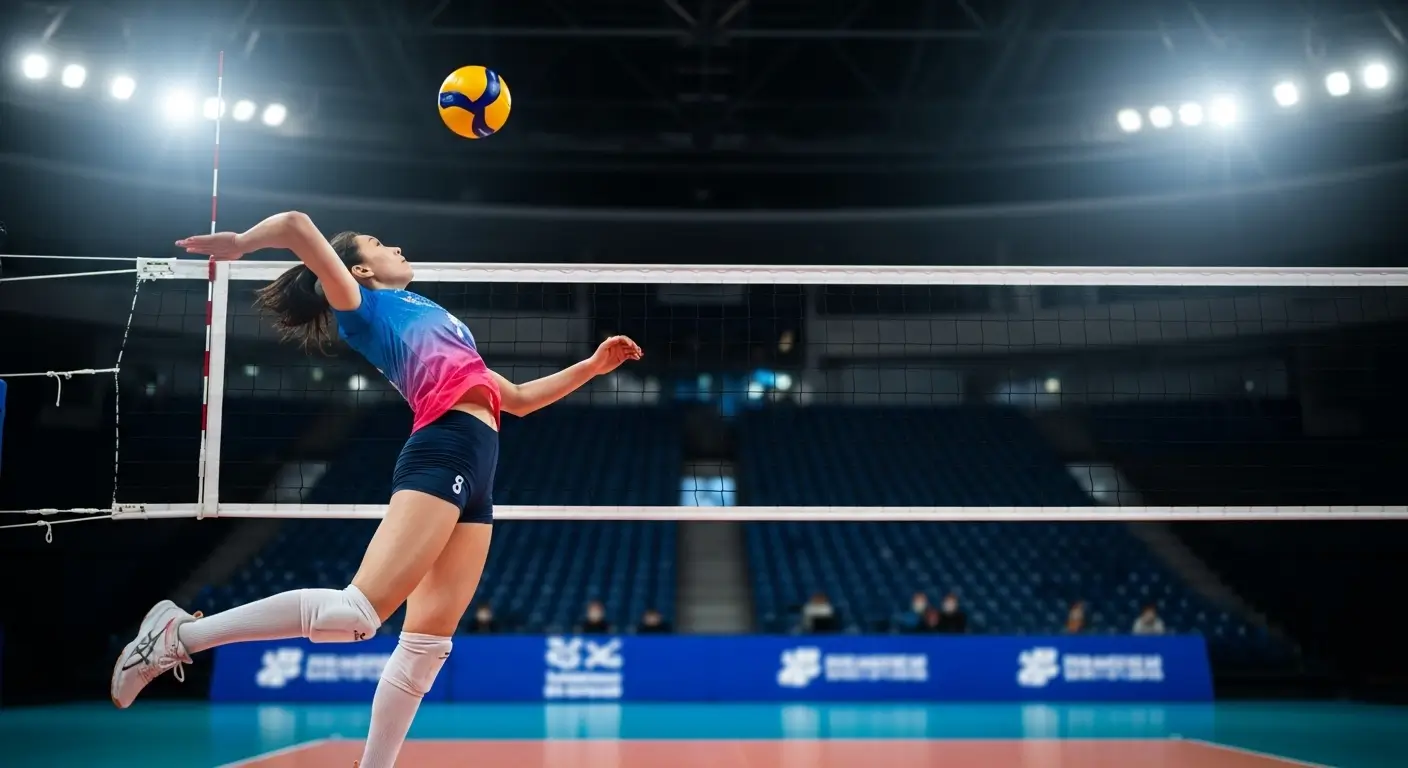
An ace in volleyball is a serve that the opposing team cannot touch or return, earned directly by the server. In rally scoring, an ace counts as 1 point and immediately gives the serving team the advantage.
Some points in volleyball are earned through long exchanges and teamwork. Others are decided before the rally even begins. A single serve can silence the court, leave defenders frozen, and put a point on the board without resistance. That outcome is known as an ace.
For anyone learning volleyball or teaching it to others, understanding an ace reveals how much influence one player can have in a single moment. This guide explains what an ace truly is, when it happens, and why it matters beyond the scoreboard. Through clear explanations and real match situations, you will see how serving can shape confidence, apply pressure, and change the direction of a game before the first pass is even made.
What Exactly Is an Ace in Volleyball
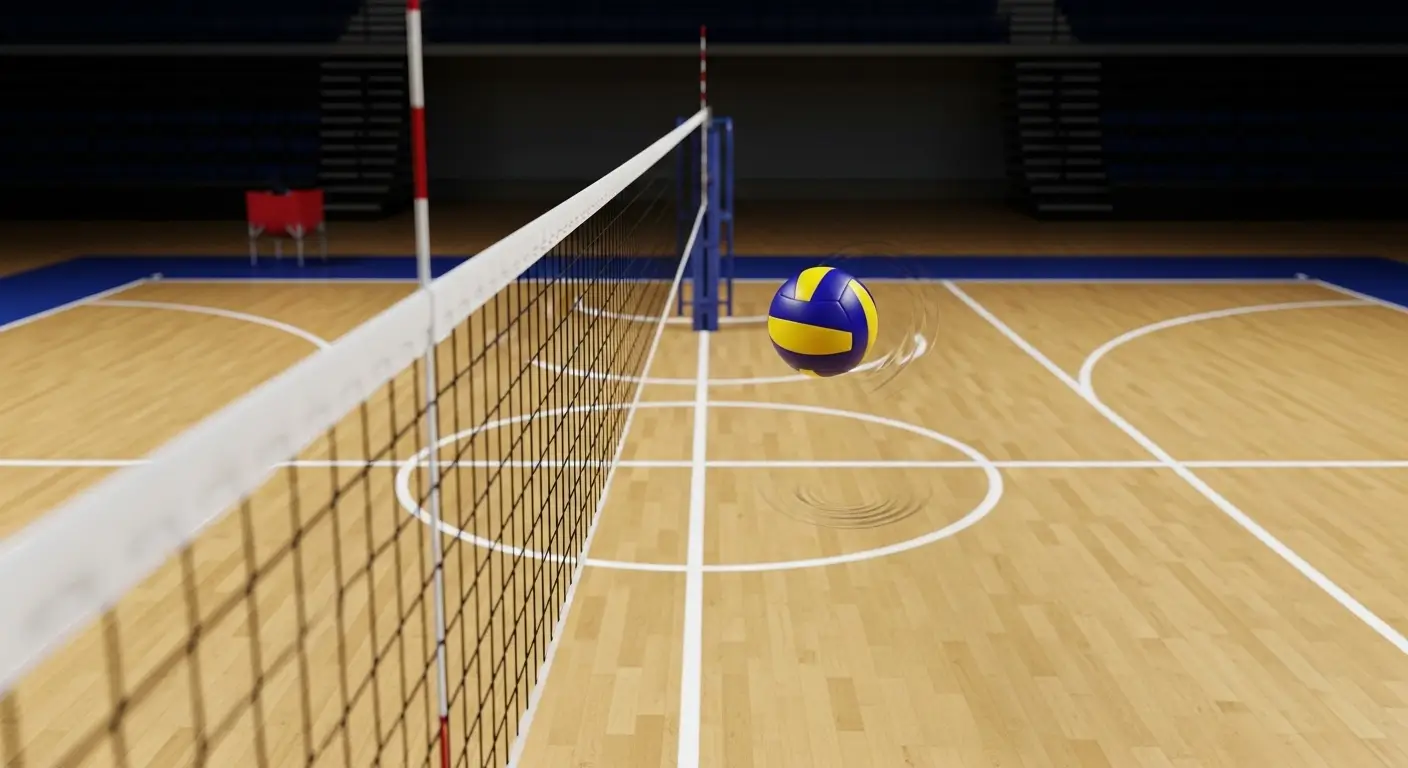
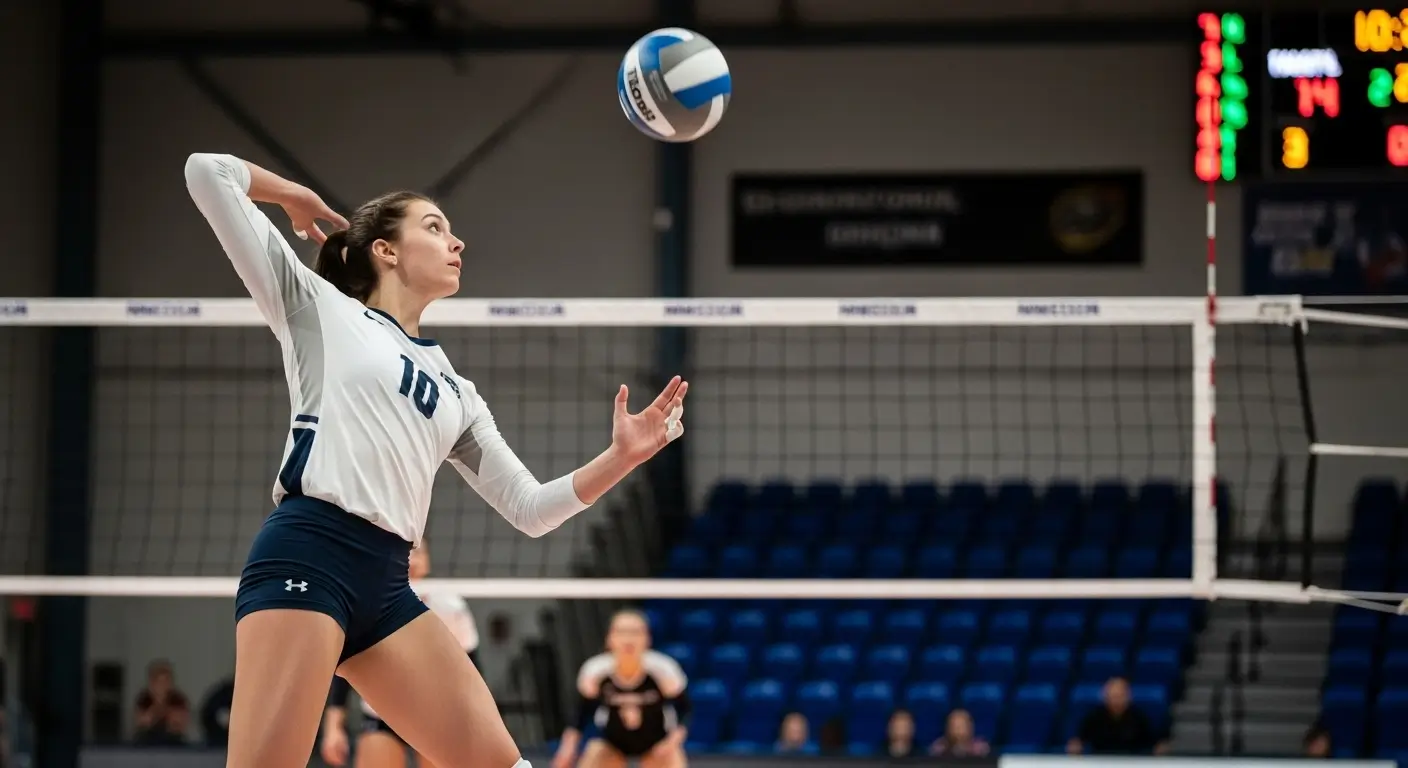
Understanding an ace begins with understanding control. In volleyball, an ace happens when a serve creates an immediate point for the serving team. The ball either lands in the court without being touched or it is contacted but cannot be returned in a playable way.
An ace is not simply about getting the serve in. It is about ending the play before it has a chance to develop. A regular serve invites a rally. An ace removes that opportunity entirely and forces the opponent to accept the result.
To picture it clearly, think of moments in sports where execution leaves no room for response. A perfect bowling strike or a single swing in golf that finishes the hole instantly. These moments stand out because preparation meets precision.
You see this often in competitive matches. Late in a close college set, a server sends the ball toward the deep corner. The defenders pause, unsure whether it will land out. The hesitation lasts only a second, but it is enough. The ball lands inside the line, untouched. The referee signals the point, and the momentum shifts immediately. That is what an ace looks like in real play.
An ace is not about luck. It is about awareness, timing, and the ability to apply pressure at exactly the right moment.
What Does “Ace” Mean in Volleyball Rules?
According to official volleyball rules, an ace is awarded when the serve results directly in a point without a return. The formal conditions are:
- The ball lands inside the court untouched by any defender.
- The receiving team touches the ball but fails to keep it in play.
- There is miscommunication or error during the first touch attempt.
According to USA Volleyball:
According to official volleyball rules, a serve is counted as an ace when it produces a point because the receiving team cannot keep the ball in play. This can happen when the ball lands cleanly inside the court or when a mistake on the first contact prevents the rally from continuing.
For players who are new to the game, it helps to know that an ace does not require the serve to be untouched. If a receiver makes contact but loses control and the ball drops to the floor or hits the net, the server is still credited with an ace because the point ends immediately.
Conditions That Qualify as an Ace
Let’s get a little more technical by listing the scenarios that qualify as an ace. Each has a distinct feel in a match and often reveals both the server’s skill and the receiver’s positioning or communication issues.
1. Untouched Serve That Lands In
The cleanest form of an ace. No one touches the ball. It just drops in a playable area.
Example: A float serve dips suddenly and lands just past the front row, fooling everyone.
2. First Touch Error
A player tries to receive the ball, but it ricochets off their arms out of bounds.
Example: A jump serve with high topspin hits a player’s shoulder and flies into the crowd.
3. Double Contact or Illegal Pass
The receiver loses control of the ball, resulting in either a double contact or a lift, both of which are considered faults.
- Team Miscommunication
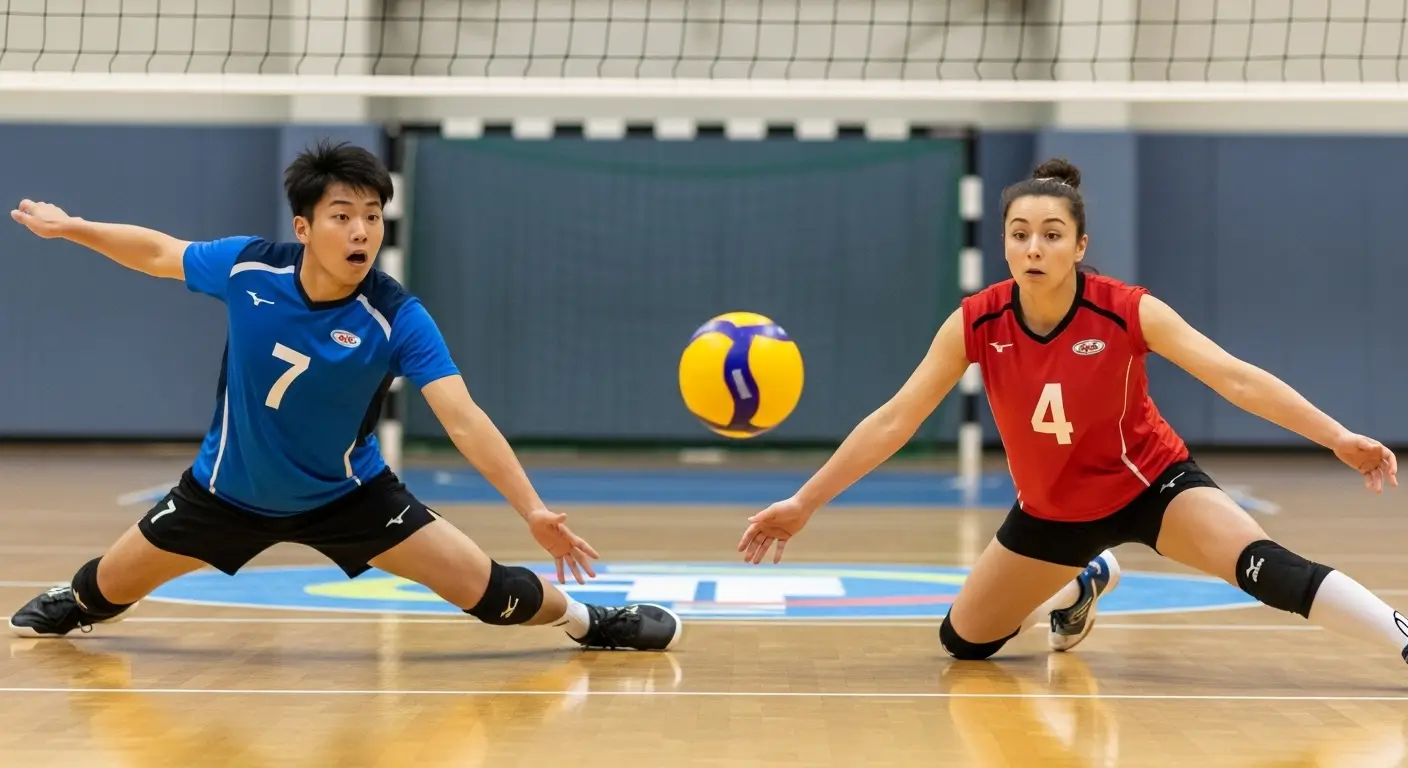
Sometimes two players move toward the ball at the same time, but neither ends up playing it. Other times, both hesitate, thinking the other will step in, and the ball drops in the gap.
Example: A serve lands just past the net. The front and back row each assume the other will handle it. No one reacts in time, and the ball hits the floor untouched. That counts as an ace.
Scoring Method Definition Who Scores It? Impact on Rally Ace An unreturnable serve that hits the floor or shanks off a single passer. The Server Immediate point won. Kill An aggressive attack (usually a spike) that cannot be returned. The Attacker / Hitter Immediate point won. Block Deflecting an attack at the net so it lands on the opponent’s floor. The Blocker Immediate point won.
Types of Serves That Commonly Result in Aces
Now that you know what an ace is, it helps to understand how different types of serves increase the chance of earning one. Each serve has its own movement, purpose, and level of difficulty. Below are four that often lead to aces when executed well.
As you dive deeper into the world of volleyball, it’s also worth considering the cost of getting involved in court sports. Whether you’re looking at volleyball, tennis, or even basketball, the financial commitment can vary. If you’re curious about the cost of playing court sports and how it compares across different activities, check out our detailed guide on how much does a sport court cost
1. Float Serve
How it moves:
The ball is struck without spin, which causes it to move unpredictably in the air.
When to use it:
This serve works well when you want to catch receivers off balance. Since the ball can shift direction at the last moment, it becomes hard to read.
Skill required:
Moderate control and technique are needed, especially to keep it consistent.
Why it works:
The unpredictable flight path makes it difficult for passers to position themselves correctly, leading to reception errors.
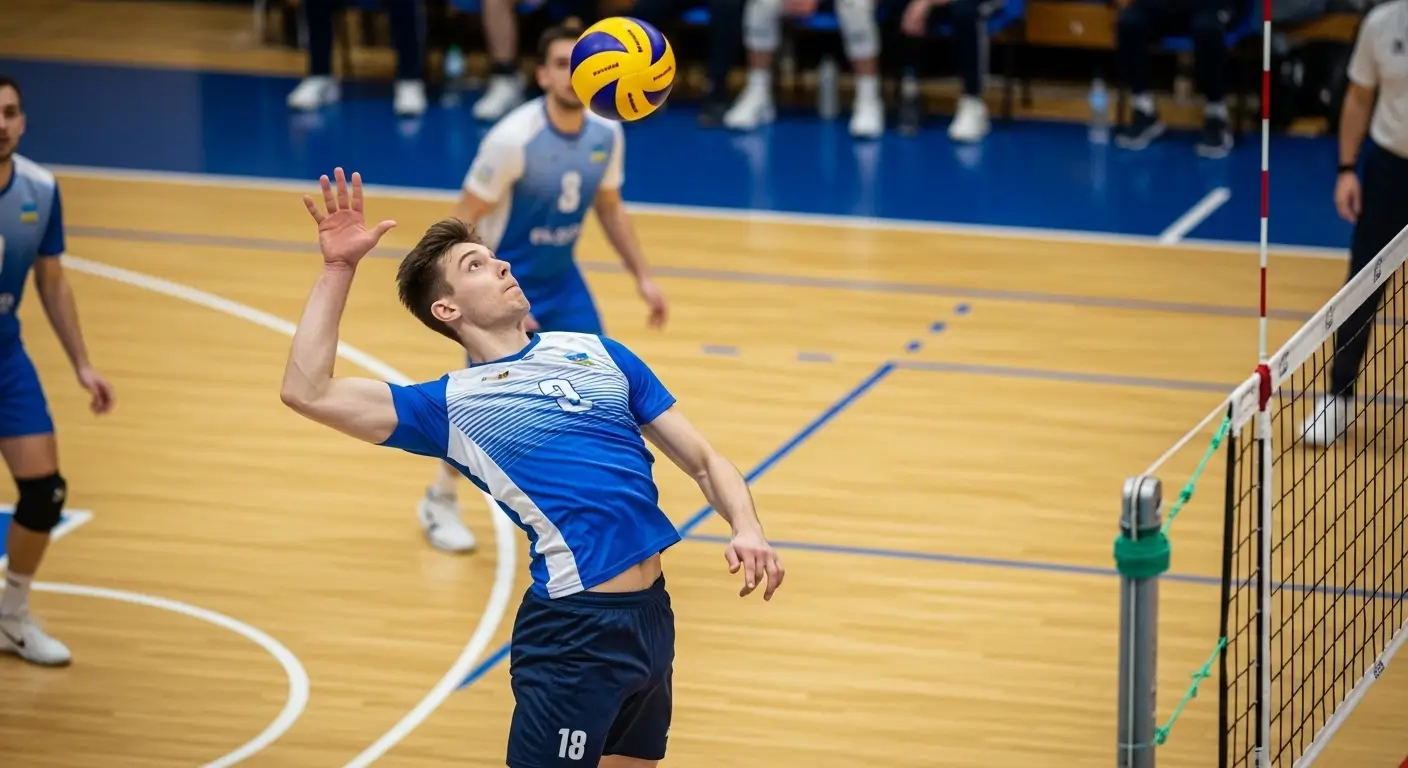
2. Jump Serve
How it moves:
This serve uses full-body momentum and usually includes topspin, which gives it both speed and a sharp downward curve.
When to use it:
Best used when aiming to pressure the opponent with power and pace.
Skill required:
High level of coordination, timing, and strength.
Why it works:
The ball travels fast and drops quickly, giving the receiving team little time to adjust. It’s especially effective against weaker passers.
3. Jump Float Serve
How it moves:
Combines the lift of a jump with the unpredictable flight of a float serve.
When to use it:
Ideal for adding deception while keeping the ball unpredictable.
Skill required:
Requires strong timing and control during both the toss and contact.
Why it works:
It creates a hard-to-read serve that appears fast but behaves irregularly in the air. This often leads to hesitation or miscommunication among receivers.
4. Topspin Serve
How it moves:
The ball spins forward rapidly, which causes it to drop sharply during its path.
When to use it:
Useful when you want to make the ball dip quickly after crossing the net.
Skill required:
Moderate skill level, with focus on consistent spin and placement.
Why it works:
The strong topspin makes the ball dive earlier than expected. When placed well, it often forces overpasses or results in mishandled receptions.
Coach’s Corner: From the Court
“In my experience, the biggest mistake players make when serving for an ‘Ace’ is over-swinging and losing control of their contact point.
My Tip: Power is secondary to ‘seam-hunting’—aim your serve specifically at the gap between two back-row defenders. This forces a split-second hesitation in their communication, increasing the chance the ball hits the floor untouched. For home practice, ensuring your backyard court surface is clean and debris-free is vital for maintaining the stable footing needed for a consistent high-velocity jump serve.”
Understanding Different Ace Scenarios
While the basic definition of an ace is simple, real-game situations can make things more nuanced. Let’s walk through specific ace scenarios and how referees determine them.
1. Net Tape Aces
Sometimes a serve grazes the top of the net but still makes it over and lands in play. As long as the ball crosses the net legally and stays within the court, the play continues. If the receiving team fails to return it, the point goes to the server, and it is recorded as an ace.
Example: The ball clips the top of the net and falls unevenly just behind the front row. No one reacts in time, and it lands untouched on the court. The serve results in a point, and the server is credited with an ace.
2. Short Serves
These serves just clear the net and drop near the front of the opponent’s court, close to the serving line. This spot is often left uncovered, making it a smart place to target.
Why it works: Front row players expect deeper serves and aren’t ready to dive forward.
3. Deep Corner Serves
Targeting the far corners of the court, especially near the end lines, makes it difficult for defenders to judge whether the ball will land in or out.
What often happens is the players hesitate, unsure if the ball will land out. It falls just inside the line, and the server wins the point with an ace.
4. Serve Confusion Between Players
Two defenders get confused. One moves back, the other moves forward, and neither reaches the ball. It drops between them and lands for a point.
Why this happens: Pressure, poor team chemistry, or unclear responsibility zones.
How Referees Judge an Ace:
- The first contact is crucial: If the ball hits the floor before any valid contact, it’s an ace.
- If a player touches the ball but cannot make a playable pass, it still qualifies.
- Referees look for misplays, double touches, and lack of continuation to award an ace.
When Is an Ace Awarded to a Player?
This is where we explore scoring and stats. Let’s clarify how a player earns credit for an ace and how it shows up in the game logs.
Rally Scoring System:
In modern volleyball, rally scoring is used. This means a point is given after every serve, no matter which team served the ball. If the serve leads straight to a point without a rally, it is counted as an ace.
When is a Player Credited With an Ace?
- The serve ends the rally before a return attempt.
- There’s a reception error that prevents a continuation.
Do Aces Count as Personal Stats?
Yes. In both amateur and professional matches, aces are tracked per player as part of their serve effectiveness stats.
You’ll often see “SA” (Service Aces) on score sheets and stat trackers.
Team vs Individual Credit:
The team earns the point, but the server also gets individual credit for the ace, similar to how a player is recognized for scoring a goal in soccer or making a three-point shot in basketball.
How Aces Impact Game Strategy
In a tightly contested match, an ace can turn the tide. Here’s how aces strategically influence the match:
1. Momentum Shifts
An ace can swing the emotional and tactical momentum. It’s a fast, morale-boosting point that energizes the serving team.
2. Pressure on Receivers
After one ace, passers become cautious. Teams may shuffle their serve-receive formations or even substitute players.
Psychological effect: Even the best passers can falter after being aced once or twice in a row.
3. Rotation Targeting
Coaches and setters take note of who was aced and target that player again in subsequent rotations.
Example: If Player #6 mishandled a serve, expect the server to aim in the same zone next time.
Just like in volleyball, where a single powerful serve can change the game, precision and quick decision-making are also key in other fast-paced sports like table tennis and ping pong. If you’re interested in understanding the differences between these two games, we provide a detailed breakdown of their unique characteristics in our expert guide. Stay with us for insightful tips and advice on all court sports.
Strategic Advantages of Serving for Aces
Let’s explore how smart teams and skilled players serve with the intention of facing the opponent.
1. Targeting Weak Passers
Scouting reports often highlight players who have trouble receiving specific types of serves, such as float serves or deep placements.
In-match adjustment: The server might be instructed mid-set to focus on “zone 1” or a certain jersey number.
2. Serving Zones
The volleyball court is often divided into six zones for serving purposes:
- Zone 1: Right back
- Zone 2: Right front
- Zone 3: Middle front
- Zone 4: Left front
- Zone 5: Left back
- Zone 6: Middle back
Smart servers aim at zones where passing lanes are weakest or where tall blockers struggle to bend down quickly.
3. Tactical vs Power Serving
It’s not always about strength. A well-placed soft serve into a weak zone can be more damaging than a blazing jump serve.
Example: A jump float serve is directed at the seam, the space between two passers. Both hesitate for a moment, unsure who should take it, and the ball drops untouched. That results in an ace.
4. Coach-Driven Serving Plans
High-level teams have set serve plans:
- Rotate between float and jump serves
- Serve short after a deep one to confuse the defense
- Use patterns based on previous serve-receive data
Volleyball Playing Surface and Its Role in Serving Aces
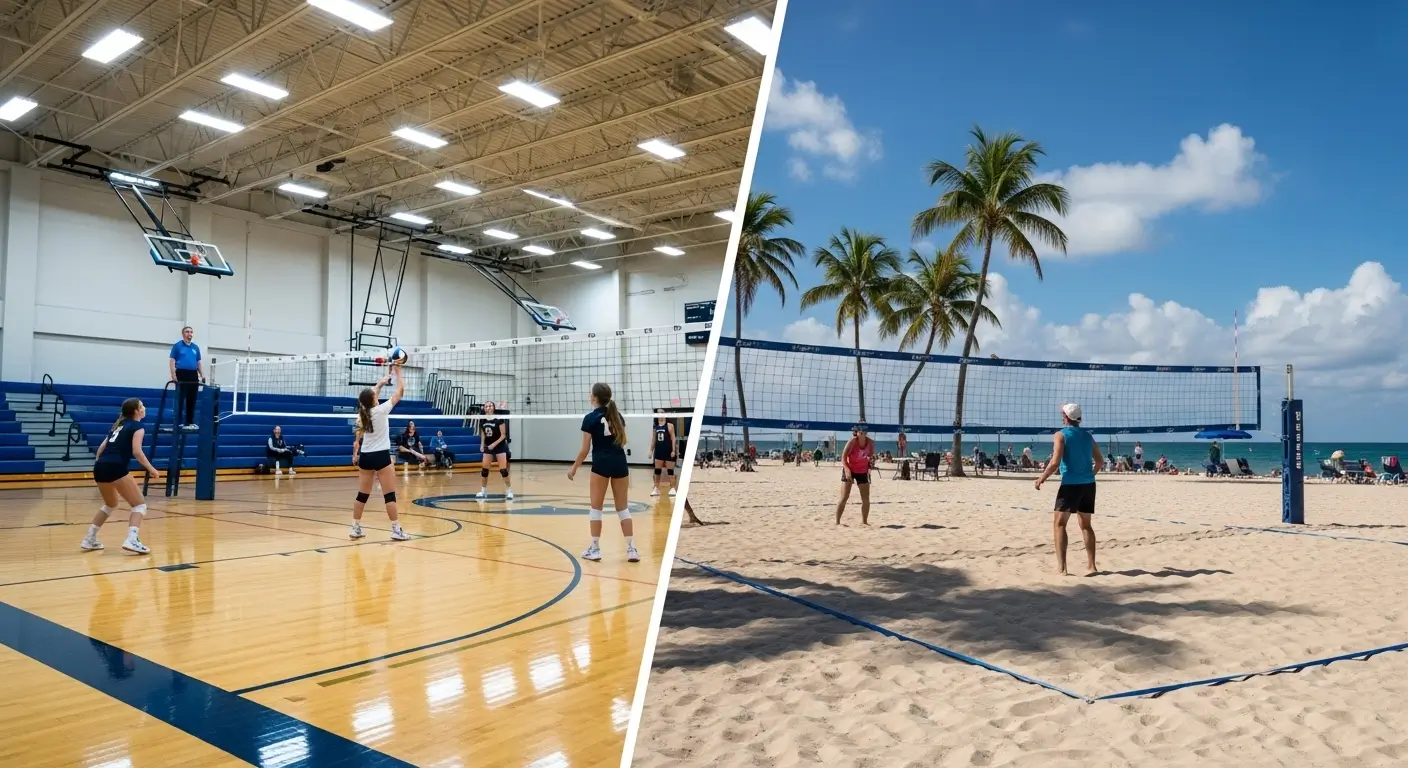
The type of court affects not only gameplay but also serves effectiveness, including the likelihood of scoring an ace. Here’s how:
1. Indoor Volleyball Courts
- Surface: Smooth, solid wood or synthetic.
- Effect on Serving: Provides excellent traction for jump serves and precision targeting.
- Ace Advantage: More control allows for aggressive float and jump serves. Servers can calculate ball trajectory and aim with more accuracy.
Example: A jump float serve aimed at the deep corner on a polished wooden floor often dips sharply and surprises the back-row receiver.
2. Beach Volleyball Courts
- Surface: Sand
- Effect on Serving: Limits jump height and movement control due to unstable footing.
- Ace Advantage: More difficult to generate powerful jump serves, but wind can become a strategic ally.
Example: A skyball serve (a super high lob) can catch in the wind and drop in unpredictable ways, especially when defenders misjudge it.
Why Surface Matters for Aces:
- The way the ball bounces, or sometimes doesn’t bounce at all, can affect how a serve is received.
- A player’s footing is important, especially when timing a jump for a serve. Uneven or slippery surfaces can throw off their balance.
- Outdoor conditions, such as wind, can change the path of the ball and make it harder to predict where it will land.
Bottom Line: While indoor courts favor power and placement, beach surfaces introduce elements of chaos, making certain types of aces more random but still impactful.
Volleyball Ace Statistics and Performance Data
Let’s look at how aces are tracked and valued at competitive levels, including both team and player performance metrics.
Why Aces Matter in Pro Volleyball:
Aces indicate:
- Serve quality
- Pressure on the opponent’s reception
- Tactical execution of serve strategy
They’re tracked just like kills, blocks, and digs. A player who consistently earns aces is often praised for both technical skill and game IQ.
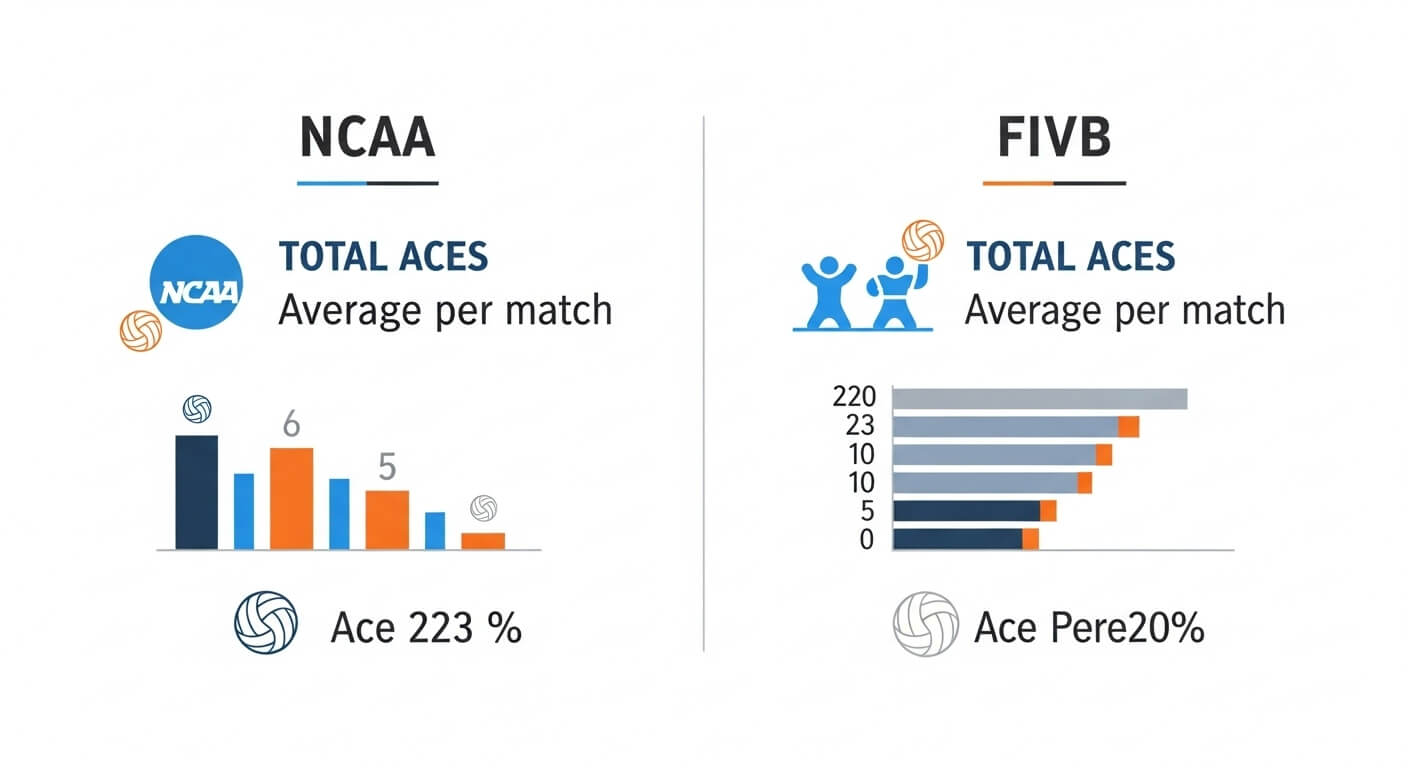
Average Ace Rates in Matches:
| Level | Aces Per Set (Average) |
| NCAA Division I (Women) | 1.3 – 2.1 |
| FIVB Men’s Pro Matches | 2.5 – 4.0 |
| NCAA Division I (Men) | 2.8 – 5.2 |
| High School | 1.0 – 1.8 |
Note: Men’s matches tend to have higher ace counts due to more frequent jump serves and power-based tactics.
Ace-to-Error Ratio
A key performance metric is aces vs service errors. A high number of aces isn’t always good if it’s paired with a high error count. Coaches seek a healthy balance between risk and reward.
Stat Sources:
Common Mistakes That Prevent Aces
Many players aim for aces but often make small mistakes that reduce the impact of their serves. Below are common errors to watch for, along with tips to improve your technique.
1. Serving Too Safely
- Playing it safe often leads to easy, returnable balls.
- Focus on finding the right balance, and avoid holding back too much just because you’re worried about making a mistake.
Tip: Serve with intention. Even a medium-speed float serve placed into the seam can score an ace.
2. Poor Toss Technique
- A bad toss ruins timing and footwork.
- Inconsistent toss = inconsistent serve.
Tip: Practice your toss separately. It should land slightly in front of your hitting shoulder every time.
3. Predictable Patterns
- If you always serve deep or always use float serves, opponents adapt.
Tip: Keep your opponents guessing by changing the depth, speed, and placement of your serves
4. Lack of Focus Under Pressure
- Game pressure often leads to rushed or hesitant serves.
Tip: Use breathing techniques. Visualize the serve before execution. Repetition builds confidence.
Coach Advice: Record your serves and review. Where do they land? Are you hitting target zones consistently?
Frequently Asked Questions
Let’s address some common beginner questions about aces in volleyball:
Is an ace only when no one touches the ball?
No. If the receiver touches the ball but fails to keep it in play, it still counts as an ace.
Does a block count against an ace?
No. A block happens after a rally begins. Aces only occur on the serve, before the receiving team sets up any attack.
Can a libero score an ace?
Yes. Liberos can serve in modern volleyball (depending on the league). If their serve meets the ace criteria, they get credit.
Are aces counted in beach volleyball?
Yes. Aces are tracked in beach volleyball just like indoor — though the serving techniques and frequency of aces differ.
What’s the difference between an ace in volleyball vs tennis?
In volleyball, an ace is a serve that ends the rally and scores a point immediately. In tennis, it’s a serve untouched by the opponent, resulting in a pointAlso Want to understand how aces differ across sports? Check out our post: What is an Ace in Tennis?