 By Ghulam Mustafa Khan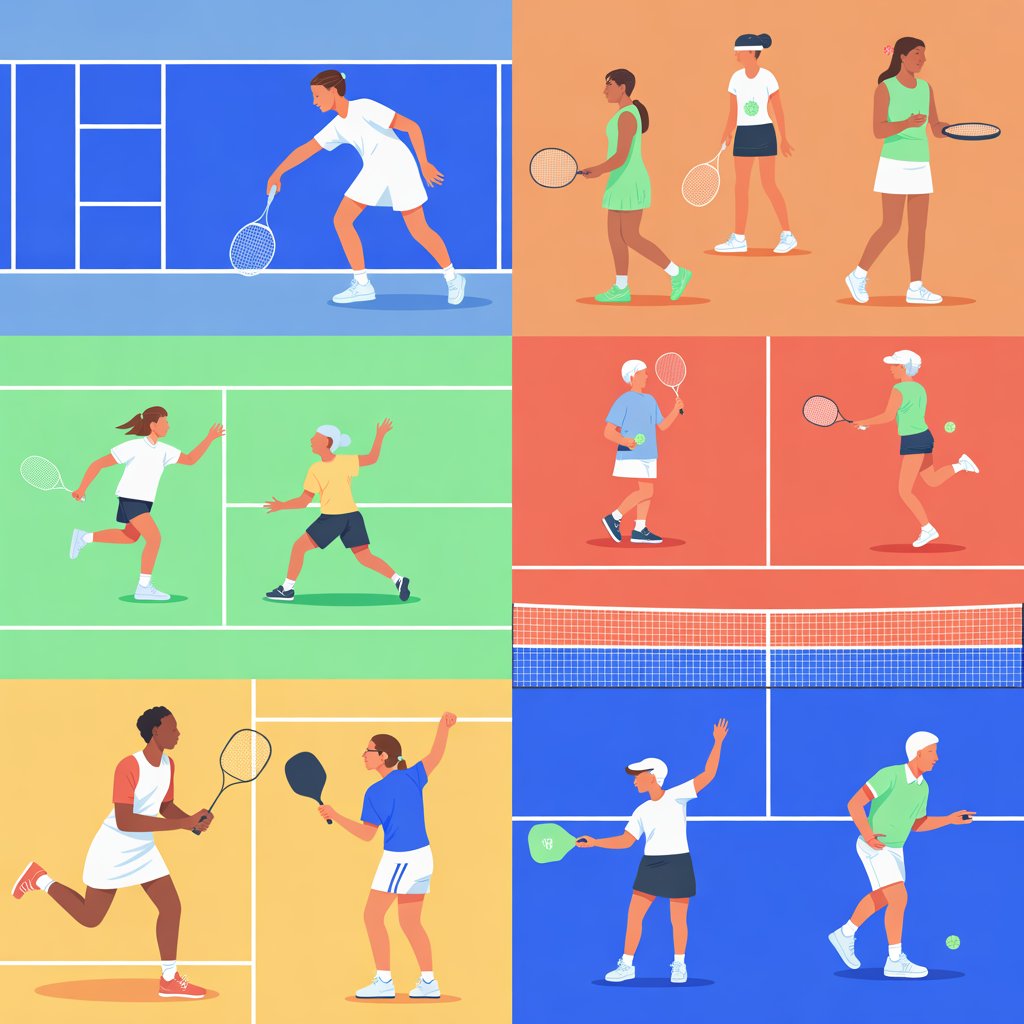
Court sports combine speed, skill, and stamina in a way few activities can match. From the sharp squeak of shoes on hardwood to the rhythmic rally of a shuttlecock, these sports challenge both body and brain. Whether you are a child building coordination, an adult improving cardiovascular fitness, or an older athlete maintaining mobility, court sports offer structured movement with real health returns.
Sports science consistently shows that multidirectional sports improve heart health, joint strength, and cognitive sharpness. Court sports sit at the center of this advantage because they demand quick reactions, repeated bursts of effort, and constant spatial awareness.
This guide breaks down the types of court sports, their health benefits by age group, and the cardio systems each sport trains, using expert-backed insights and real-world athletic principles.
How Many Court Sports Exist?
There are over 20 recognized court sports, played across indoor and outdoor courts. These sports vary in intensity, impact level, and skill demands, making them suitable for different age groups and fitness levels.
Common Types of Court Sports
Each of these sports activates the cardiovascular system and is classified as aerobic exercise. They involve rhythmic and continuous movements that engage large muscle groups, encouraging the heart and lungs to work more efficiently. The American Heart Association explains how aerobic activities strengthen heart health, while Mayo Clinic highlights their role in improving endurance, strength, agility, and coordination. Additionally, the World Health Organization (WHO) emphasizes the importance of regular aerobic activity in maintaining overall physical fitness and long-term health.
Coach’s Corner: From the Court
“In my coaching sessions with young athletes, I consistently observe that the lateral explosiveness required on the court builds a ‘functional’ cardio base that traditional running simply can’t match.
My Tip: If you’re playing for heart health, focus on your ‘split-step’ and recovery speed during drills; it keeps your heart rate in the fat-burning zone while strengthening the stabilizer muscles that prevent common court injuries. However, remember that high-intensity cardio is only sustainable if you protect your joints—ensure you are playing on a cushioned backyard court surface to absorb the impact of these explosive movements.”

Tennis: Health Benefits, Cardio Impact, and Best Age Groups
Health Benefits
Tennis builds full-body strength through repeated strokes, lunges, and lateral movement. It strengthens the shoulders, legs, and core while improving bone density. Studies published by the British Journal of Sports Medicine associate tennis with increased life expectancy due to its aerobic and social nature.
Cardio Impact
Tennis mimics interval training. Long rallies elevate heart rate steadily, while short rest periods allow partial recovery. This pattern improves aerobic capacity and heart efficiency.
Ideal Age Groups
Ages 12 to 50 for competitive play
Ages 50+ for doubles or modified intensity training
Badminton: Health Benefits, Cardio Training, and Ideal Age Groups
Health Benefits
Badminton enhances hand-eye coordination, reflex speed, and lower-body power. The lightweight shuttle encourages explosive movement without heavy joint stress, making it ideal for growing bodies.
Cardio Impact
Fast rallies simulate high-intensity cardio bursts. According to the World Badminton Federation, players can reach near maximal heart rates during competitive matches.
Ideal Age Groups
Ages 7 to 18 for skill development
Ages 18 to 40 for peak cardio conditioning
Why Squash Is Perfect for Adults with Strong Cardio Endurance
Health Benefits
Squash demands constant motion in a confined space. It improves lung capacity, muscular endurance, and reaction speed. Forbes once ranked squash as one of the healthiest sports due to its calorie burn and cardiovascular demand.
Cardio Impact
Squash closely resembles HIIT training. Short explosive sprints, rapid direction changes, and minimal rest push the heart into anaerobic zones repeatedly.
Ideal Age Groups
- Ages 18 to 45
- Not recommended for beginners with heart conditions without medical clearance
Basketball for Teens & Young Adults Who Thrive on Speed and Skill
Health Benefits
Basketball builds explosive power, vertical strength, and coordination. Jumping improves bone density, while sprinting boosts metabolic rate.
Cardio Impact
Continuous play combines endurance running with sprint intervals. According to the American Heart Association, basketball supports heart health when played at moderate to high intensity.
Ideal Age Range to Start and Excel
- Ages 12 to 35
- Recreational play is suitable beyond 40 with a proper warm-up.
Volleyball for Teens & Adults Who Enjoy Speed, Skill, and Team Play
Health Benefits
Volleyball strengthens the upper body, improves balance, and sharpens reflexes. The repeated jumping action supports bone health when managed correctly.
Cardio Impact
Short explosive movements train anaerobic capacity, while longer rallies maintain elevated heart rates at moderate levels.
Ideal Age Groups
Ages 10 to 40
Beach volleyball offers lower joint impact for older players
Pickleball for Adults & Seniors Who Want Fitness Without Strain
Health Benefits
Pickleball is low-impact yet highly engaging. It improves balance, coordination, and joint mobility. The Mayo Clinic highlights pickleball as an excellent sport for older adults seeking cardiovascular benefits without excessive strain.
Cardio Impact
Moderate aerobic activity with steady movement patterns. Ideal for maintaining heart health and calorie burn.
Ideal Age Groups
Ages 35 to 70+
How Table Tennis Benefits Players of All Age Groups
Health Benefits
Table tennis enhances reaction time, fine motor skills, and cognitive processing. Research published in the Journal of Sports Science links table tennis to improved brain plasticity.
Cardio Impact
Light to moderate cardio stimulation with rapid neuromuscular activation.
Ideal Age Groups
Ages 6 to 80+
Court Sports and Age-Specific Health Benefits
Children and Teens
- Builds coordination and motor skills
- Improves bone growth
- Enhances focus and discipline
Adults
- Improves cardiovascular endurance
- Reduces stress and anxiety
- Maintains healthy body composition
Older Adults
- Preserves mobility and balance
- Supports heart health
- Reduces risk of chronic disease
The World Health Organization recommends at least 150 minutes of moderate physical activity per week, which court sports can fulfill efficiently.
FAQ: Court Sports and Fitness
Which court sport burns the most calories?
Squash and basketball typically burn the most calories due to sustained high-intensity movement.
Are court sports good for heart health?
Yes. Most court sports improve aerobic and anaerobic conditioning, which strengthens the heart muscle.
What is the safest court sport for beginners?
Pickleball and table tennis offer the lowest injury risk while still delivering health benefits.
Can seniors play court sports safely?
Yes, with proper warm-ups, suitable footwear, and controlled intensity, many court sports are suitable for seniors.

Final Thoughts
Court sports are more than games played within painted lines. They are structured movement systems that train the heart, sharpen the mind, and strengthen the body across every stage of life. Whether you crave the intensity of squash or the social rhythm of pickleball, there is a court sport aligned with your age, fitness level, and goals.
If you’re ready to turn interest into action, explore our complete guide to sport court construction costs and key design considerations.