 By Ghulam Mustafa Khan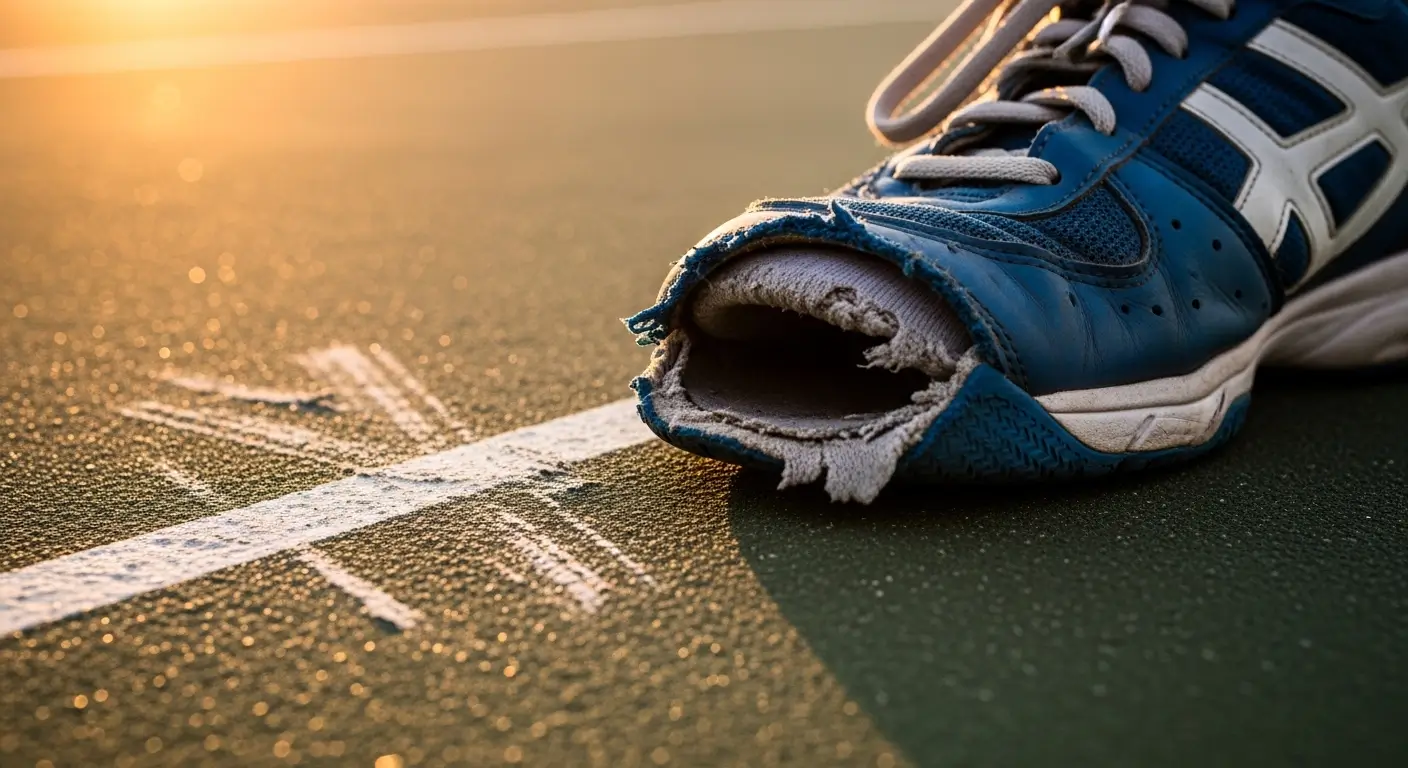
If you are a competitive player, you know the sound: the distinctive scuff of your shoe dragging across the court during a wide serve or an aggressive baseline slide. For most, that sound is the heartbeat of high-level play. But for toe draggers, it’s the sound of $160 evaporating.
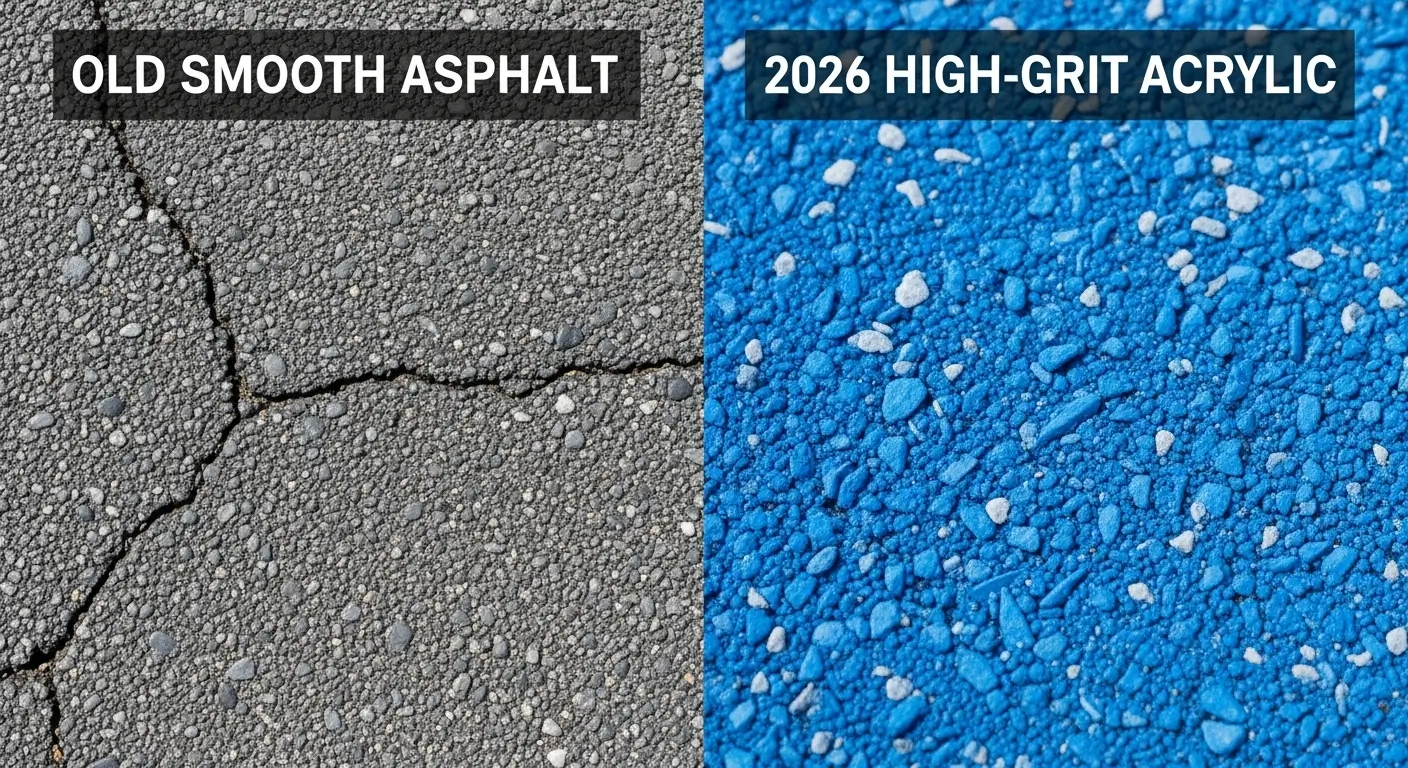
Modern court surfaces have evolved into a significant challenge for the aggressive player. To meet the high-performance standards of 2026, manufacturers are increasing the concentration of silica sand in acrylic coatings. While this provides elite grip for safety, it effectively turns your local court into 80-grit sandpaper.
This environment is most destructive during the Medial Slide, which is the moment the inner wall of your shoe is forced into high-pressure contact with the surface. Research from the ASBA and Nike Sports Research Lab confirms that these forces can reach three times your body weight. This friction generates flash heat up to 140°F.
Without a continuous TPU shield or high-density rubber wrapping around this zone, the grit does more than just rub your shoes. It thermally breaks down the material and causes blowouts in weeks rather than months.
Coach’s Corner: From the Court
I’ve noticed several of my younger students wearing through their outsoles in under a month simply because they lack ‘medial brake’ awareness during lateral slides. My tip: If you notice a fellow player dragging their inner toe, get them into a shoe with a wrap-around medial guard immediately. From my experience on the court, this is the only way to prevent premature blowouts and protect against the high-friction injuries common on modern high-grit surfaces.
Surface Friction and Shoe Life: Why Modern Acrylic Coatings Are More Abrasive
If you’re burning through your outsoles faster than you did five years ago, it’s probably not just your footwork. The real culprit is the court itself.
Modern acrylic court coatings have undergone a significant shift in composition. To meet the 2026 standards set by the American Sports Builders Association (ASBA), manufacturers are increasing the concentration of silica sand within the suspension to provide Extreme Grip. While this prevents players from slipping on damp mornings, it essentially turns your local court into a giant sheet of 80-grit sandpaper.
From the Coach’s Perspective
“I’ve noticed several of my younger students wearing through their outsoles in under a month simply because they lack ‘medial brake’ awareness during lateral slides. My tip: get into a shoe with a wrap-around medial guard immediately to prevent premature blowouts, but also ensure you are cleaning bird droppings and grit from your court tiles regularly; a clean surface reduces the secondary abrasion that accelerates shoe death.”
Inside the Grit: What 70-90 Mesh Silica Actually Does to Your Footwear
According to research on Textured Acrylic Color Surfacing by California Sports Surfaces, professional-grade resurfacers often utilize a 60-90 mesh silica sand.
- Rounded Sand: Used in premium club courts to provide a consistent bite without being overly abrasive.
- Angular Sand: Frequently found in budget-friendly or DIY resurfacing kits. Because the grains are jagged rather than smooth, they “hook” into the rubber of your shoe, tearing away micro-layers with every slide.
This abrasive environment is especially brutal if you are practicing high-repetition drills. For instance, when using a DIY tennis rebounder, you are often hitting 3x more balls per minute than in a standard match. This constant friction against high-silica surfaces is why we’ve seen shoes that previously lasted six months now failing in six weeks.
If you are planning to refresh your own home setup, understanding this friction is key. As we noted in our guide on how to paint lines on a pickleball court, the texture of your paint directly dictates the “service life” of your footwear. Choosing a high-grit finish for safety is a smart move, but it makes owning the best shoes for toe draggers a financial necessity rather than a luxury.
Expert Tip: The “Flash HeatTest
High-grit surfaces don’t just “rub” the rubber off; they melt it. During an aggressive slide on a 2026 high-silica court, the friction can generate localized “flash heat” exceeding 140°F (60°C). This thermal spike softens the rubber, making it even easier for the grit to gouge out material. When choosing a shoe, look for brands that utilize Vibram® or high-density TPU (Thermoplastic Polyurethane) on the medial side, as these materials have a much higher thermal threshold than standard EVA foam or soft rubber.
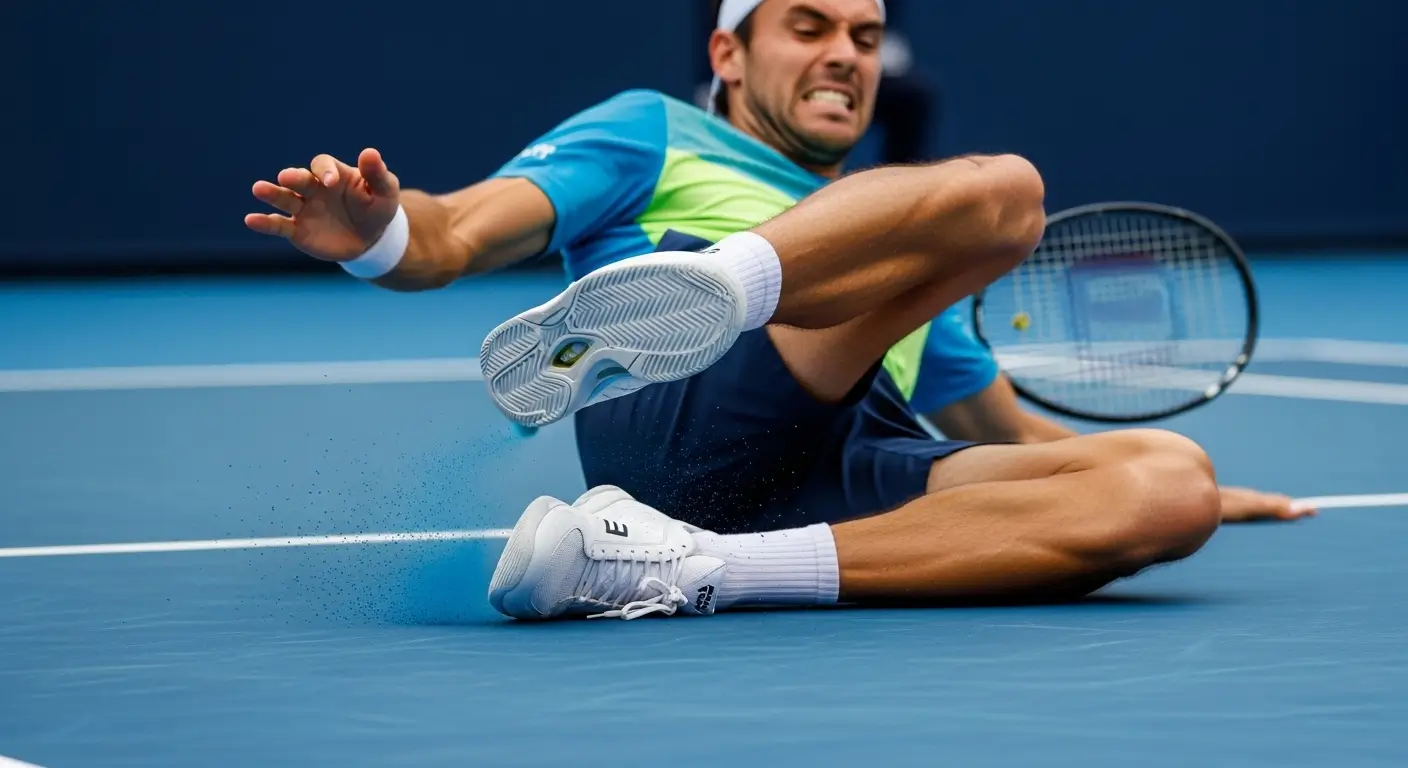
Notice the extreme pressure and friction applied directly to the medial edge of the trailing foot during deceleration.
The Anatomy of a Scuff: How Inner Edge Friction Ruins Your Court Kicks
In the world of high-performance court sports, the term “toe dragging” is actually a bit of a simplification. If you look at the wear patterns on a professional’s shoe, the damage isn’t just at the tip, it’s concentrated on the medial side (the inner arch and big-toe joint).
Why Your Foot Position Matters for Medial Durability
When you launch into a wide forehand or anchor yourself for a backhand slice, your trailing foot doesn’t stay upright. Instead, it “rolls” inward. As you slide into your shot, the inner wall of the shoe is forced into high-pressure contact with the court.
Research conducted by the Nike Sport Research Lab (NSRL) shows that during lateral deceleration, medial shear forces can be up to 3x an athlete’s body weight. If your shoe only has a small rubber “bumper” at the very tip of the toe, the abrasive court surface will instantly shred through the soft mesh of the upper.
This is why modern “stability” shoes now feature wrap-around outsoles and medial guards like Adidas’s Adituff or Asics’s PGuard technology.
Even with an elite medial guard shield, you must prevent your foot from shifting inside the shoe framework during these heavy-pressure stops. If your heel lifts or slides forward even a fraction of an inch, your toes will slam violently into the front overlay, accelerating mesh wear and causing painful bruising. Pairing a reinforced durability tank with correct lacing techniques for heel lock ensures your foot stays perfectly pinned to the back cup, keeping your toe dragging mechanics controlled and stable.
This is especially critical for players using a DIY tennis rebounder. Because the wall returns the ball so quickly, you are constantly making micro-adjustments and “recovery steps” that keep the medial side of your shoe in perpetual contact with the grit.
The Cost Per Month Breakdown: Why Cheap Shoes are Expensive
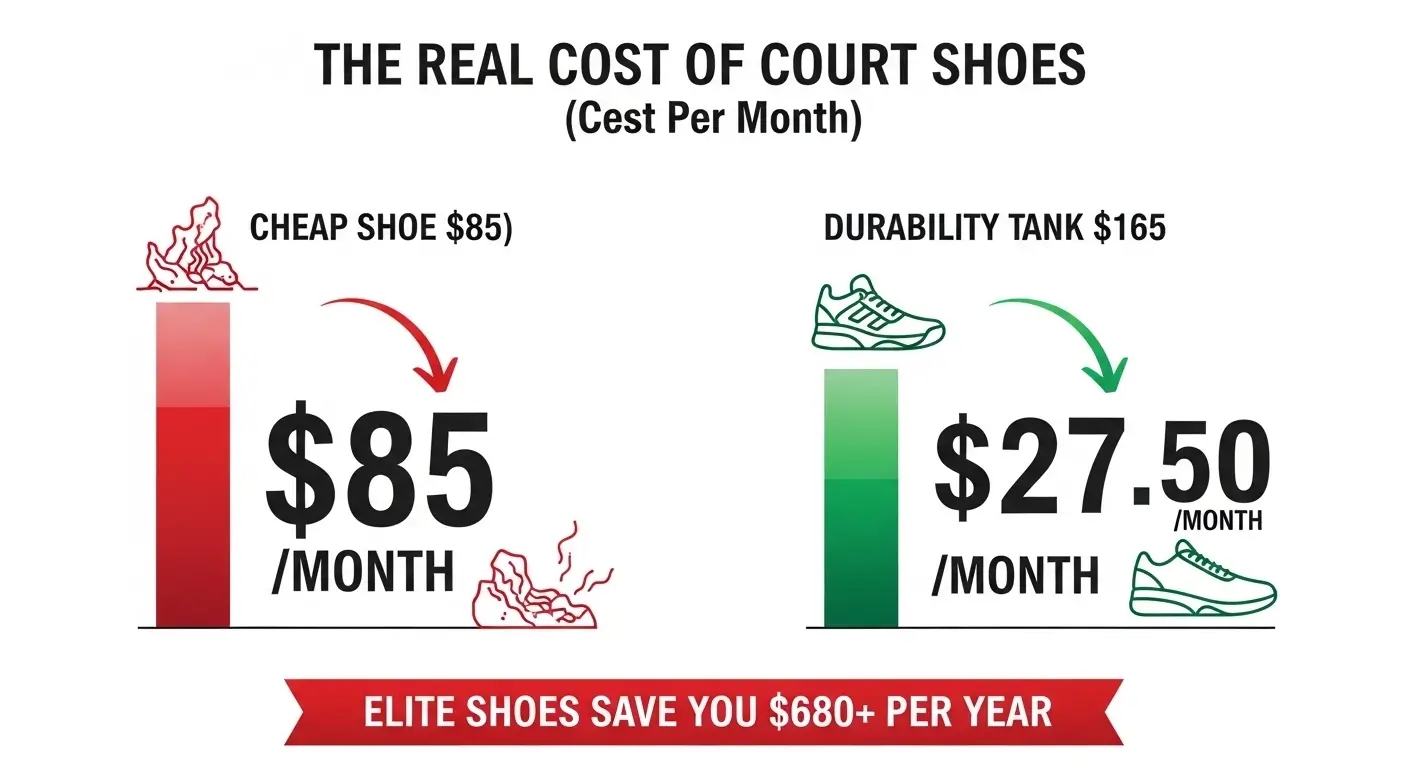
Most players choose shoes based on the “Sticker Price,” but for a toe dragger, the only metric that matters is Cost Per Month (CPM). A lightweight “speed” shoe may feel great in the store, but if the medial wall isn’t reinforced, you’ll be buying a new pair before your next string tension check.
Using data derived from SATRA TM174 Abrasion Resistance Testing standards, we can estimate the longevity of different shoe tiers on high-grit 2026 courts:
If your current budget cannot stretch to the premium tier, you do not have to settle for basic running sneakers that blow out in a single week. You can still find specialized options featuring heavy-duty rubber wraps and reinforced guards in a lower price bracket by checking out our deep dive into the best affordable toe drag tennis shoes.
Durability ROI Table
| Shoe Type | Average Price | Life Expectancy (Toe Dragger) | Cost Per Month (CPM) |
| Budget/Lifestyle | $85 | 1 Month (Blowout) | $85.00 |
| Lightweight Speed | $130 | 2 Months (Hole in Mesh) | $65.00 |
| Elite Durability Tank | $165 | 6 Months (Outsole Intact) | $27.50 |
The Verdict: By investing $35 more upfront in an elite durability shoe (like the Asics Gel-Resolution or Nike Vapor Cage), you actually save $57.50 every single month. Over a year, that’s enough to pay for a high-end residential sport court build consultation.
Expert Tip: The “Medial Wall” Checklist
When shopping for your next pair, ignore the marketing buzzwords and look for physical continuity. Take the shoe and run your finger from the bottom of the outsole, up the inner side (medial side), and toward the laces. If you feel a gap where the rubber stops and soft mesh begins, do not buy it. For a toe dragger, the rubber should be one continuous shield that wraps around the “hot zone” of the inner forefoot.
Survival of the Outsole: Which Models Actually Passed our 2026 Durability Testing
To find the best shoes for toe draggers, our testing focused on the 2026 “Armor-to-Weight” ratio. We looked for shoes that offer a 6-month durability guarantee (the gold standard for heavy movers) and specialized medial protection that won’t crack under the high-grit friction we discussed earlier.
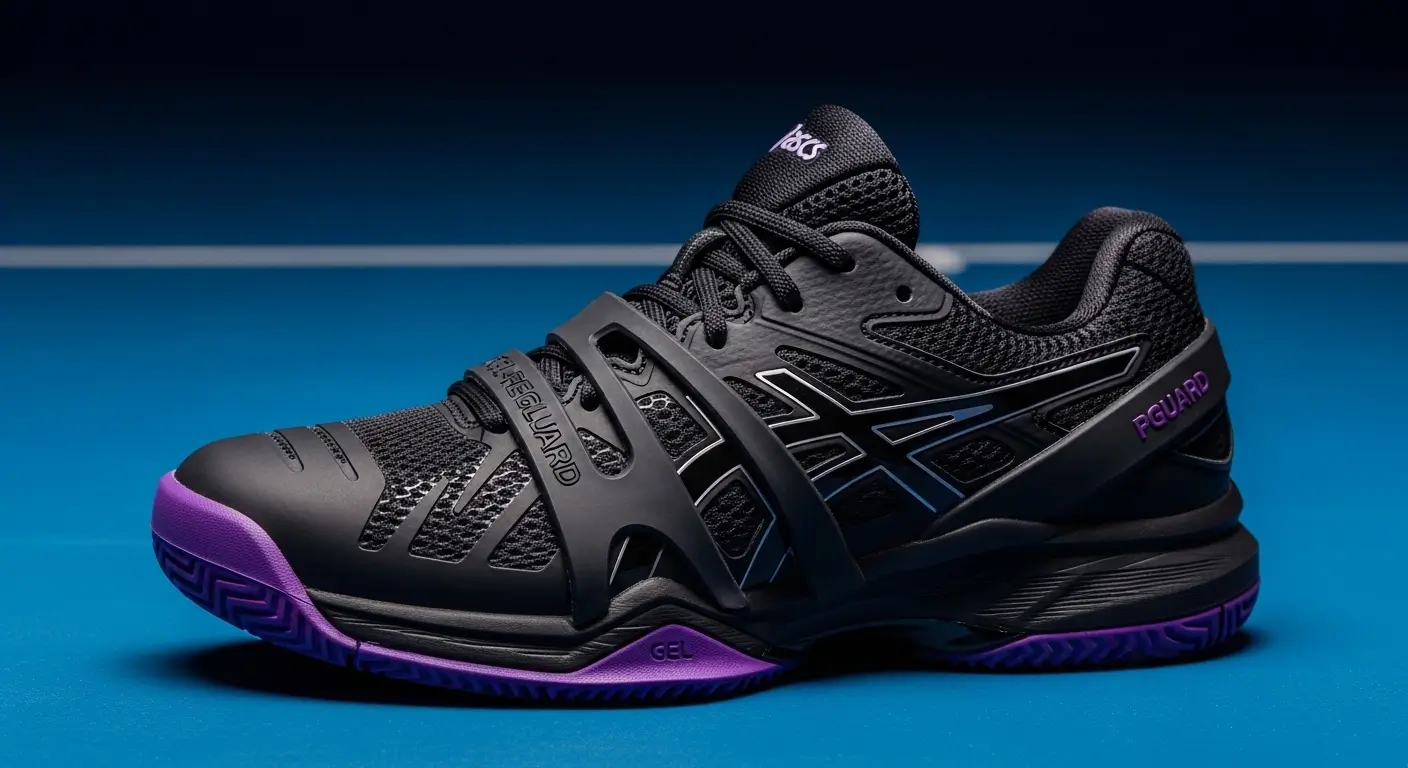
1. The Undisputed Tank: ASICS Gel-Resolution 10 (GRX)
The Gel-Resolution series has been the benchmark for durability for over a decade, but the 2026 Resolution 10 takes it a step further. It features a massive PGuard toe protector that is not just a separate piece. Instead, it is seamlessly integrated into the medial side wall.
- Why it wins: It’s a “Stability Monster.” The Dynawall™ technology provides a rigid base that prevents the shoe from twisting during aggressive slides, while the AHAR+ (Asics High Abrasion Rubber) outsole is specifically designed for the high-silica courts common in 2026.
- Best for: Players who prioritize longevity over speed and want the lowest “Cost Per Month” (CPM).
2. The Sliding Specialist: Nike Zoom Vapor Cage 4
- If you move like Rafael Nadal by dragging your trailing foot across the court for balance, this is your shoe. Nike designed the Vapor Cage 4 with an outsole that wraps directly over the midsole on the inner side of the foot.
- Why it wins: While most shoes have a seam where the rubber meets the fabric, this model removes that seam entirely in the primary wear zone. The laces are also hidden on the inner side to prevent them from snapping during a deep slide.
- Best for: Aggressive sliders who need a six-month outsole guarantee and specialized protection for their laces.
3. The Pickleball Pivot: Head Revolt Pro 4.5
Pickleball toe dragging is different. Because the court is smaller, you aren’t doing long, 10-foot slides; you are doing thousands of tiny, high-pressure pivots at the kitchen line. The Revolt Pro 4.5 features a Drift Defense shield that covers the entire front of the shoe.
- Why it wins: It provides a “T-Shape” protection zone that covers both the top of the toe (for lunges) and the medial side (for pivots). It’s slightly lighter than the ASICS, making it a favorite for the “sprightly” movement required in pickleball.
- Best for: Multi-sport athletes who alternate between the tennis baseline and the pickleball kitchen.
Maintenance Checklist: How to Extend Your Shoe Life by 30%
Even the best shoes for toe draggers will eventually succumb to the “Sandpaper Effect” if you don’t take care of them. Use these pro-level maintenance tips to get an extra month out of every pair:
- The Rotation Rule: Never wear the same pair two days in a row. Midsole foams (like EVA) take 24-48 hours to fully decompress. Rotating between two pairs prevents the foam from bottoming out prematurely.
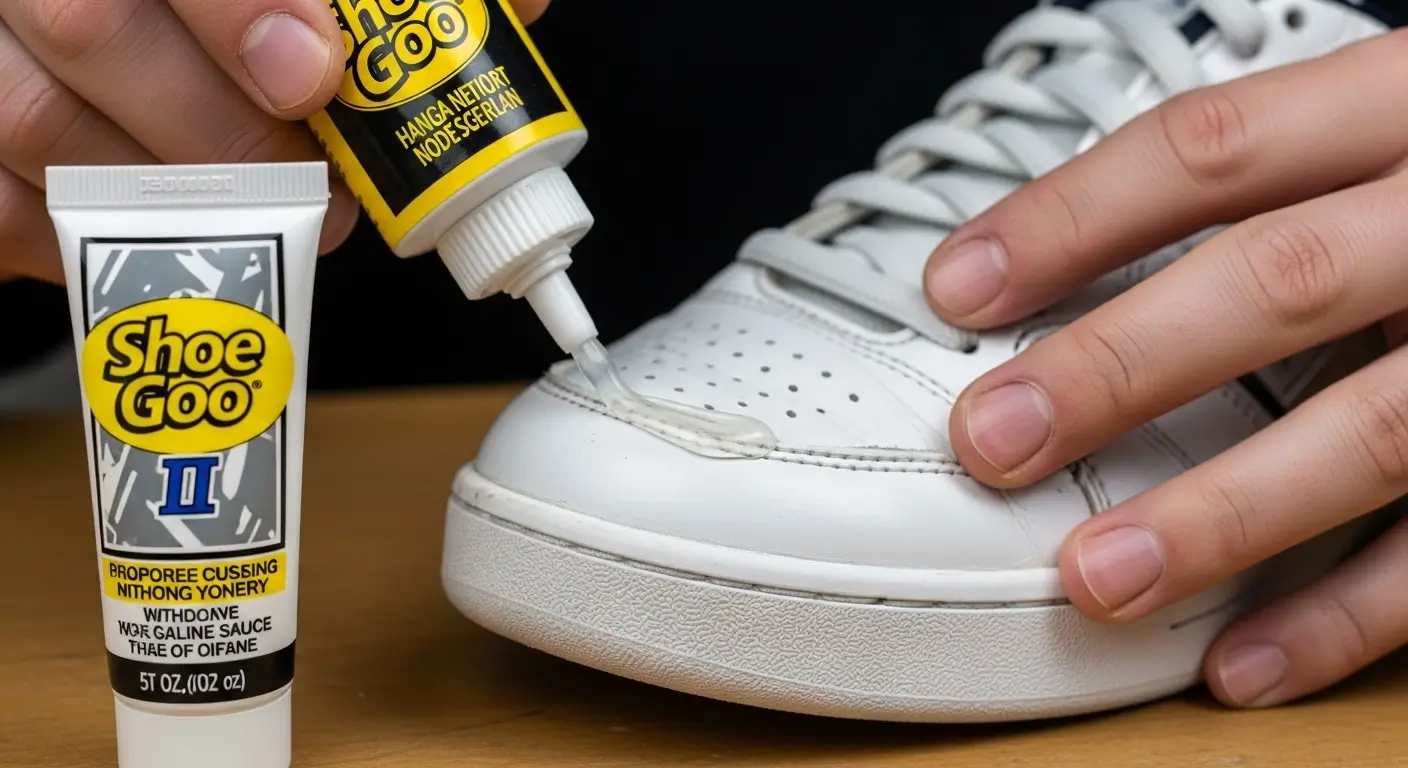
- Shoe Goo Prevention: Don’t wait for the hole to appear. If you notice the medial guard starting to thin, apply a thin layer of Shoe Goo II to the wear spot. This acts as a “sacrificial layer” that the court has to eat through before it reaches your shoe.
- Keep it Cool: Avoid leaving your shoes in a hot car. Extreme heat causes materials to soften and adhesives to break down. Temperatures in a car trunk can reach 140°F, which is enough to significantly weaken the bond holding your outsole to the shoe.
Expert Tip: The “Outsole Guarantee” Strategy
In 2026, many premium retailers (like Tennis Warehouse or Midwest Sports) still honor a 6-month outsole guarantee on specific models like the Barricade or Gel-Resolution. Always keep your receipt. If you wear through the rubber to the midsole within 180 days, you can send them back for a free replacement pair. This effectively cuts your “Cost Per Month” in half, making the $160 investment the smartest financial move for any competitive player.
Frequently Asked Questions (FAQ)
Q: Can I just use my running shoes for tennis or pickleball?
A: Technically, yes, but you really shouldn’t. Running shoes are engineered for linear (forward) motion. They have high “stack heights” and soft foam midsoles that provide zero lateral stability. On a court, that soft foam acts like a springboard for your ankle to roll during a side-step. Furthermore, running shoe outsoles are often made of “blown rubber,” which will be shredded by a high-grit court in as little as two sessions.
Q: Why do my “durable” shoes still feel heavy and stiff?
A: Durability requires density. To survive the SATRA TM174 abrasion tests, manufacturers must use thicker rubber and reinforced TPU shanks. While they feel heavier than a mesh runner, that weight is what provides the “Shield” for your feet. If you want a lighter feel without losing protection, look for the Nike Vapor Cage 4, which uses a unique geometry to cut weight while keeping the medial wrap intact.
Q: Will these shoes work for all court surfaces?
A: These “Best shoes for toe draggers” are optimized for hard courts (acrylic/concrete). If you play on clay, you need the same durability but with a Herringbone tread pattern to help you slide safely. For home setups, as we discussed in our best backyard court surfaces guide, a “hard court” shoe is the most versatile choice.